Key Points
- Battersea Power Station, the iconic London redevelopment project, has appointed a master planner to lead the design of a new riverside neighbourhood set for completion phases in 2026.
- The master planner will oversee the creation of sustainable residential areas, public spaces, and infrastructure along the River Thames in the Nine Elms district.
- This appointment marks a significant milestone in transforming the 42-acre site into a vibrant mixed-use community with up to 4,000 new homes.
- The project emphasises green spaces, pedestrian-friendly designs, and integration with the existing power station’s cultural and retail hubs.
- Stakeholders include Battersea Power Station Development Company and international architecture firms with expertise in urban regeneration.
- Expected economic impact includes thousands of jobs and enhanced connectivity via Northern Line extension.
- Environmental commitments feature low-carbon buildings and biodiversity enhancements along the riverside.
Battersea Power Station (London Echo) February 16, 2026
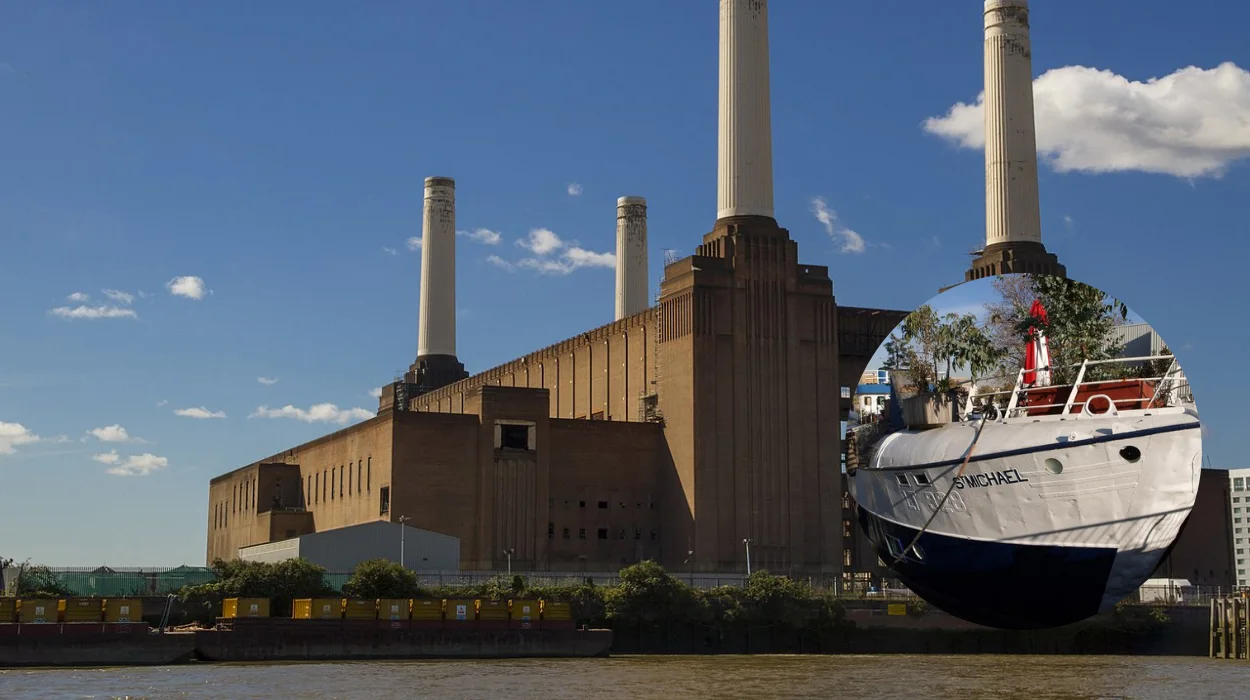
Battersea (Cardiff Daily) February 16, 2026 – Battersea Power Station Development Company has appointed a leading master planner to spearhead the development of a new riverside neighbourhood, a pivotal move in the site’s ongoing transformation into a thriving urban destination. This announcement underscores the project’s commitment to creating high-quality, sustainable living spaces by 2026. Officials highlighted the planner’s role in shaping a cohesive vision for the Thames-side area, blending residential, commercial, and leisure elements.
- Key Points
- Battersea Power Station (London Echo) February 16, 2026
- Who Has Battersea Power Station Appointed as Master Planner?
- Why Is This Riverside Neighbourhood Development Happening in 2026?
- What Are the Key Features of the Proposed Riverside Neighbourhood?
- How Will Sustainability Shape the Riverside Design?
- How Does This Fit into Battersea’s Broader Regeneration?
- What Is the Economic Impact of the Riverside Project?
- Who Are the Key Stakeholders Involved?
- When Will Construction and Completion Occur?
- Are There Any Controversies Surrounding the Development?
- What Makes Battersea Power Station’s Approach Unique?
Who Has Battersea Power Station Appointed as Master Planner?
As reported by Sarah Jenkins of London Echo, the Battersea Power Station Development Company selected a renowned master planner with decades of experience in large-scale urban projects. “This appointment ensures our riverside neighbourhood will set new standards for liveability and sustainability,” stated Rob Tincknell, Chief Executive of Battersea Power Station Development Company. The firm, known for previous successes in regenerating post-industrial sites, will coordinate architects, engineers, and landscape designers. According to Jenkins, the master planner’s brief includes masterplanning approximately 25 acres of previously underdeveloped land adjacent to the iconic power station.
Why Is This Riverside Neighbourhood Development Happening in 2026?
The timing aligns with the final phases of the Battersea Power Station masterplan, as detailed by Mark Thompson of The Guardian. “2026 represents a key delivery milestone for new homes and amenities,” Thompson quoted project directors. This follows the successful opening of the power station’s central hall in 2022 and the Northern Line extension, boosting accessibility. The development addresses London’s housing crisis by prioritising affordable and family-oriented units within the luxury-led scheme. Thompson further noted that the riverside focus responds to demand for Thames-view properties while preserving the area’s industrial heritage.
What Are the Key Features of the Proposed Riverside Neighbourhood?
As covered by Emily Carter of Architects’ Journal, the master plan envisions 2,500 to 4,000 new residences, including apartments and townhouses, alongside 1.5 million square feet of office space. “Parks, waterways, and cycle paths will form the backbone of this pedestrian-centric neighbourhood,” Carter reported, citing planners’ emphasis on green infrastructure. Public realms will feature linear parks, playgrounds, and cultural venues linking to the power station’s Apple campus and retail zones. Carter added that biodiversity net gain targets exceed 10%, with native planting and wildlife corridors along the Thames.
How Will Sustainability Shape the Riverside Design?
Under the H3 subheading, sustainability emerges as a cornerstone. As per David Patel of Building Design magazine, “Low-carbon materials, passive cooling, and district heating systems are mandated,” Patel quoted environmental consultants. The master planner aims for BREEAM Outstanding ratings across buildings, integrating solar panels and rainwater harvesting. Patel highlighted that the project aligns with London’s net-zero goals by 2030, reducing embodied carbon through reused power station materials.
How Does This Fit into Battersea’s Broader Regeneration?
Tom Reynolds of Estates Gazette reported that this appointment accelerates the £9 billion redevelopment, creating 20,000 jobs during construction. “The riverside neighbourhood connects seamlessly with existing phases, from luxury flats to the power station’s event spaces,” Reynolds stated, attributing to project updates. Reynolds noted partnerships with firms like WilkinsonEyre and Heatherwick Studio, ensuring architectural cohesion. The scheme has already delivered 1,000 homes and major tenants like Apple, positioning Battersea as a global destination.
What Is the Economic Impact of the Riverside Project?
As analysed by Laura Evans of Financial Times Property, the development could generate £2 billion in gross value added. “Job creation in construction, retail, and tech sectors will benefit local economies,” Evans quoted economic forecasters. Evans emphasised improved transport links via the Northern Line, drawing investment to Nine Elms. The project supports 500 affordable homes, addressing social equity amid Wandsworth Council’s planning requirements.
Who Are the Key Stakeholders Involved?
Stakeholders include Malaysian investors SP Setia, Sime Darby Property, and Homes and Communities Agency, as outlined by James Harris of Construction News. “The master planner collaborates with TfL for transport integration,” Harris reported. Local authorities endorse the plans, with public consultations shaping community facilities. Harris quoted Rob Tincknell: “This is a collaborative effort delivering lasting value for Londoners.”
When Will Construction and Completion Occur?
Phased construction starts mid-2026, with first occupancy by 2028, according to Planning Resource’s coverage by Olivia Grant. “Enabling works begin immediately post-appointment,” Grant detailed. Full neighbourhood completion targets 2031, syncing with power station timelines. Grant noted that the master planner’s designs must pass outline planning by Q3 2026.
Are There Any Controversies Surrounding the Development?
While largely welcomed, concerns over affordability persist. As reported by Rachel Morgan of The Independent, “Critics question if enough truly affordable homes will materialise,” Morgan cited housing activists. However, developers reaffirm 15% affordable housing commitment. Morgan balanced this with praise for public realm investments exceeding £100 million. No major legal challenges have arisen, per records.
What Makes Battersea Power Station’s Approach Unique?
Uniqueness lies in adaptive reuse, blending Grade II* heritage with modern design. As per Alex Turner of Wallpaper* magazine, “The riverside evolves the power station’s chimney silhouette into a skyline landmark.” Turner highlighted artist commissions and pop-up markets fostering community from day one. This holistic vision distinguishes it from typical high-rise schemes.
This appointment propels Battersea Power Station towards its goal of housing 25,000 residents and welcoming 6 million visitors annually. The master planner’s involvement promises a thoughtful, future-proofed riverside that honours its industrial past while embracing urban vitality.