Key Points
- Cardiff Council has approved plans for temporary teaching and archive space at The Cathedral School in Cardiff.
- The approval follows flooding in the school’s basement, which caused the loss of usable space.
- Planning documents say the temporary accommodation will support both archive storage and teaching needs.
- The new space is planned for a courtyard at the rear of more recently developed teaching buildings.
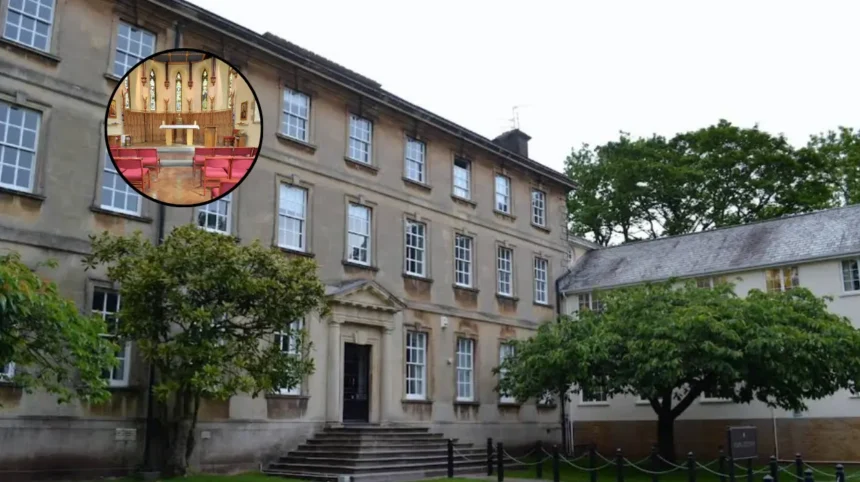
- The school site includes two listed buildings and the scheduled ancient monument Bishop’s Palace.
- Access to the school is restricted, with one vehicle and pedestrian entrance on Cardiff Road and three further pedestrian-only access points.
Cardiff (Cardiff Daily) June 29, 2026 –Plans to create temporary teaching and archive space at The Cathedral School in Cardiff have been approved by Cardiff Council after flooding damaged the school’s basement. The decision allows the school to replace space lost to the flood while longer-term arrangements are considered. The application covers accommodation intended to support both school archives and teaching activity. The approved development is designed to be temporary rather than a permanent expansion of the site.
As reported in the planning documents, the proposals are meant to provide
“temporary accommodation for the school’s archives and teaching space following the flooding of the school basement.”
That statement sets out the direct reason for the application and the immediate educational need it is intended to address.
The council’s approval means the school can now move forward with plans to restore some of the space affected by the flooding.
Why was the plan needed?
The school’s basement flood created a practical problem for the use of the site, particularly where storage and teaching functions were affected.
Temporary accommodation is being used as the solution because it can be put in place more quickly than a full permanent rebuild or major refurbishment.
The application suggests the school needed to reduce disruption while keeping essential functions operating. This kind of response is often used when educational premises lose usable internal space unexpectedly.
The planning submission also shows that the school aimed to keep the impact of the new accommodation limited.
The location chosen is a courtyard behind newer teaching buildings, which indicates an effort to place the structure away from more sensitive parts of the campus.
That point matters because the site contains heritage assets that require careful handling during any development.
What did the planning documents say?
The planning documents said the school wanted to
“minimise impact on the heritage assets identified above through the location in a courtyard at the rear of more recently-developed teaching accommodation on the site.”
That wording indicates the design approach was shaped not only by the flood damage, but also by the historical sensitivity of the site. The council’s approval therefore reflects both the practical need for space and the planning considerations linked to heritage protection.
The site is described as having two listed buildings, alongside the scheduled ancient monument known as Bishop’s Palace.
That means any change to the school grounds must be assessed carefully to avoid harming protected structures or the character of the historic setting. In that context, the temporary nature of the proposal appears to have been an important factor in the planning process.
How is access arranged?
Access to the school is limited, which is another reason the layout of any temporary structure matters. According to the planning information, the site has one vehicle and pedestrian access point on Cardiff Road. It also has three additional pedestrian-only access points around the school grounds. These constraints can affect construction, deliveries and day-to-day use of any temporary facilities.
Because of the restricted access, placing the accommodation in a courtyard behind newer teaching buildings may help reduce disruption.
It may also help separate temporary works from the busiest parts of the site. The access details show that the school operates within a compact and sensitive environment, where planning decisions have to balance function, safety and heritage.
Explore More Local Cardiff News
Norwich Man Jailed After Brutal Cardiff Hotel Assault 2026
Metallica Rocks Principality Stadium During M72 World Tour: Cardiff 2026
What does this mean for the school?
The approval gives The Cathedral School a route to restore some of the space lost after the flooding. For pupils and staff, the most immediate effect is likely to be a reduction in disruption caused by the damaged basement areas.
It also gives the school somewhere to keep archives and continue teaching-related activity while longer-term measures are considered. The council’s decision suggests the temporary solution was judged acceptable in planning terms.
The proposal also highlights the challenge of maintaining a historic school site while responding to unexpected damage.
Temporary buildings can be useful in this kind of situation because they allow schools to continue operating without waiting for a permanent fix. At the same time, they must be carefully placed so they do not harm listed structures or archaeologically important land.
Background of the development
The Cathedral School in Cardiff is located on a site with significant heritage value, including listed buildings and the Bishop’s Palace scheduled ancient monument. That makes even relatively small changes more complex than on a modern school site.
Flooding in the basement triggered the need for a planning response, and the school sought permission for temporary facilities rather than a permanent redesign. Cardiff Council has now approved that approach, allowing the school to recover some of the lost space while limiting the effect on the historic setting.
Prediction
For pupils, teachers and administrators at The Cathedral School, the approval is likely to mean a faster return to normal operations than would have been possible with a permanent-build process. The temporary accommodation should ease pressure on the existing site and help the school manage both storage and teaching needs.
For the wider Cardiff community, the decision shows how heritage-heavy sites may be adapted after damage without major disruption to protected buildings. The arrangement is likely to remain a short-term fix, with future planning depending on how the school manages the flooded basement area over time.