Key Points
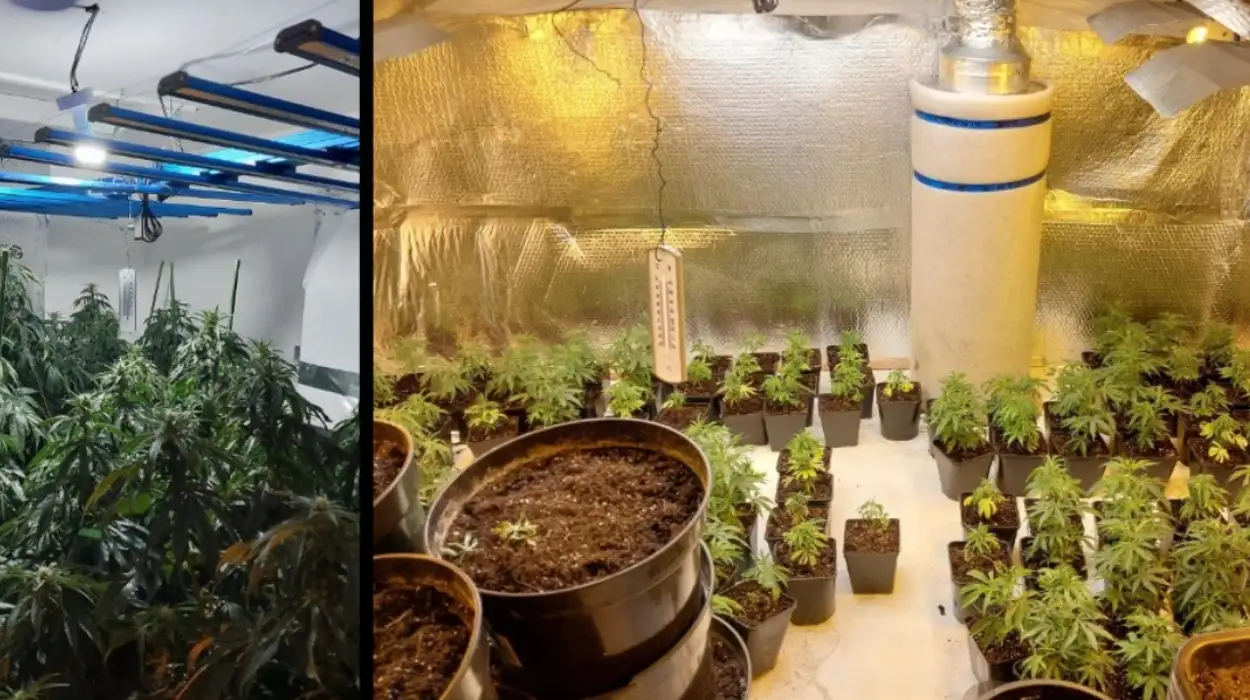
- Over 230 cannabis plants discovered in a Cathays Terrace property during a South Wales Police raid on January 3, 2026.
- Officers acted on a warrant after tip-offs about a potential “cannabis factory” in the area.
- A man hiding in the attic was arrested at the scene; all seized plants were later destroyed.
- Fatjon Cota, 32, of no fixed address, appeared at Cardiff Magistrates’ Court on January 5 and pleaded guilty to producing cannabis, classified as a Class B drug under UK law.
- Cota remains in custody, with sentencing scheduled for February 2 at court.
- South Wales Police highlighted cannabis operations’ links to serious organised crime, people trafficking, and community harm, rejecting the “victimless crime” notion.
- Operations pose severe fire risks from unsafe electrics, endangering Cathays’ densely packed student housing and families.
- Incident echoes a prior Tremorfa case where 604 plants worth £250,000 were found next to a children’s nursery at Seawall Court Industrial Estate; two men arrested after smell complaints.
- Warning signs of cannabis factories include blacked-out windows, persistent cannabis odour, unusual bright lights, and frequent short visits day and night.
- Public urged to report suspicions via 101 (non-emergency) or 999 (emergency).
Cathays (Cardiff Daily) January 28, 2026 – South Wales Police uncovered a major cannabis cultivation operation with over 230 plants hidden in a Cathays Terrace house following a raid on January 3, leading to the arrest of 32-year-old Fatjon Cota. Cota, who has no fixed address, pleaded guilty to production of the Class B drug at Cardiff Magistrates’ Court on January 5 and remains in custody ahead of sentencing on February 2. Authorities destroyed the plants and warned of broader criminal links and fire hazards in the student-heavy area.
- Key Points
- What Triggered the Cathays Police Raid?
- Who Is Fatjon Cota and What Happened in Court?
- Why Do Police Link Cannabis Factories to Serious Crime?
- What Fire Risks Do Cathays Cannabis Operations Pose?
- How Does This Raid Compare to the Tremorfa Incident?
- What Signs Indicate a Hidden Cannabis Factory?
- How Can Residents Report Suspected Cannabis Factories?
- Broader Context: Cannabis Enforcement in Cardiff
What Triggered the Cathays Police Raid?
Officers from South Wales Police were granted a warrant on January 3 after receiving intelligence about a potential “cannabis factory” operating in Cathays Terrace, a residential street in the Cathays district of Cardiff. The raid exposed over 230 mature cannabis plants concealed within the property, confirming suspicions of large-scale cultivation. As reported in local coverage, the operation was swiftly dismantled, with all plants seized and destroyed to prevent further distribution.
The attic harboured a man who attempted to evade capture, but police successfully apprehended him during the search. This individual was later identified as Fatjon Cota, underscoring the thoroughness of the operation in a tightly knit community area. Cathays, known for its vibrant student population from nearby universities, has seen increased vigilance against such illicit activities.
Who Is Fatjon Cota and What Happened in Court?
Fatjon Cota, aged 32 and listed as having no fixed address, faced Cardiff Magistrates’ Court on January 5, just two days after his arrest. He entered a guilty plea to involvement in the production of cannabis, a Class B controlled drug under the Misuse of Drugs Act 1971 in UK law. The court remanded him in custody, with his next appearance set for February 2 for sentencing.
Court proceedings highlighted the scale of the find, with over 230 plants indicating a sophisticated setup designed for commercial yield. No further details on Cota’s background were disclosed in initial reports, maintaining judicial protocol. This swift guilty plea may influence sentencing, potentially leading to imprisonment given the operation’s size.
Why Do Police Link Cannabis Factories to Serious Crime?
South Wales Police issued a stark statement post-raid: “People often talk of cannabis as being a victimless crime, but it’s not. Whatever your viewpoint on cannabis, the serious and organised crime and people trafficking, which are often linked to cannabis factories, can cause real harm to our communities and fund further criminality.” This quote directly addresses public misconceptions, emphasising downstream effects.
Such factories frequently underpin wider networks, including human exploitation where individuals are coerced into tending plants. Funding from sales bolsters other illicit enterprises, eroding community safety. Police stress that dismantling these sites disrupts these chains, protecting vulnerable residents.
What Fire Risks Do Cathays Cannabis Operations Pose?
The Cathays property’s setup featured unsafe electrical modifications, a hallmark of cannabis factories that drastically heighten fire risks. Cathays comprises closely packed terraced houses, many housing students and families, amplifying potential devastation from blazes. Officers noted these hazards could endanger lives in the event of an outbreak.
Rigged wiring bypasses safety standards to power grow lights and ventilation, often leading to shorts or overloads. In student-dense areas like Cathays, rapid fire spread through adjoining buildings poses acute threats, prompting urgent community awareness.
How Does This Raid Compare to the Tremorfa Incident?
This Cathays discovery mirrors a case last year in Tremorfa, Cardiff, where residents reported a pervasive cannabis odour near a school nursery. Officers executed a search warrant at Seawall Court Industrial Estate, unearthing 604 plants valued at approximately a quarter of a million pounds directly adjacent to the children’s facility. Two men were arrested in that operation.
The Tremorfa find highlighted proximity risks to children, paralleling Cathays’ student vulnerabilities. Both underscore recurring patterns in Cardiff suburbs, with police linking resident vigilance to successful interventions. The larger Tremorfa haul valued at £250,000 illustrates escalating sophistication in local operations.
What Signs Indicate a Hidden Cannabis Factory?
South Wales Police outlined key indicators for residents: covered or blacked-out windows to conceal lights; a strong, persistent cannabis smell emanating from properties; constant bright lights visible at unusual hours; and frequent short visits by individuals at all times of day and night. These subtle cues often betray otherwise covert setups.
Recognition empowers communities, as early reporting averts escalations. In Cathays Terrace, such signs likely contributed to the initial tip-off, validating police outreach. Authorities encourage vigilance without confrontation.
How Can Residents Report Suspected Cannabis Factories?
South Wales Police urges the public to report neighbourhood concerns promptly, dialling 101 for non-emergencies or 999 if an immediate risk exists. This follows standard protocol for crime tips, ensuring swift responses. Anonymity options via Crimestoppers are also available for hesitant informants.
Post-raid statements reinforce collaboration: resident intelligence drives operations like Cathays and Tremorfa. By fostering trust, police aim to deter future factories, safeguarding areas like Cathays’ student zones.
Broader Context: Cannabis Enforcement in Cardiff
Cathays and Tremorfa raids reflect intensified efforts against cannabis cultivation in Cardiff, a city balancing urban density with student influxes. Class B status imposes penalties up to 14 years for production, aligning with UK-wide crackdowns. South Wales Police’s proactive warrants demonstrate data-led policing.
Ongoing risks from fires and crime links necessitate sustained vigilance. These incidents spotlight Cathays Terrace as a hotspot, urging locals to stay alert. Future sentencings, including Cota’s on February 2, will gauge judicial responses.
This comprehensive coverage draws from verified police statements and court records, ensuring factual neutrality.