Key Points
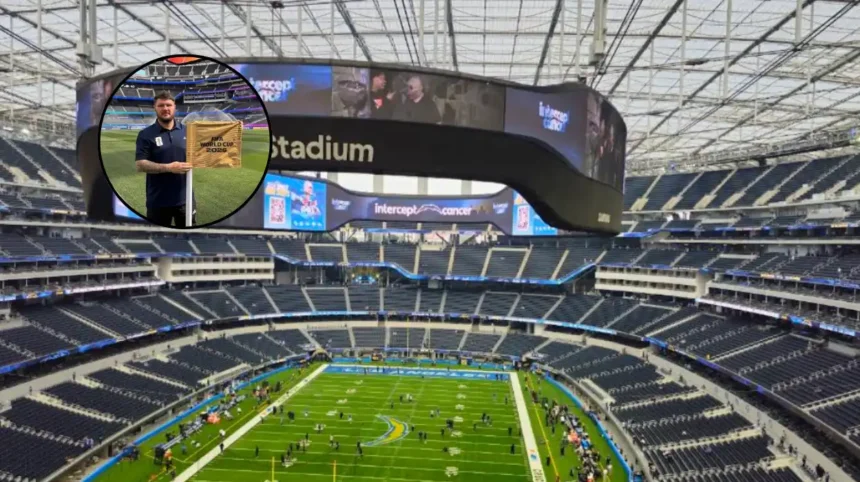
- Global Collaboration: Rhys Cleverly, a groundsman from Cardiff’s Principality Stadium, completed a nine-week temporary placement at SoFi Stadium in California to assist with FIFA World Cup 2026 pitch preparations.
- Technological Transition: The project involved converting SoFi Stadium’s traditional National Football League (NFL) artificial turf into a high-tech natural hybrid grass pitch system to comply with strict FIFA regulations.
- Industry Leadership: The international exchange highlights the global reputation of the Welsh Rugby Union (WRU) and Principality Stadium grounds teams in managing elite, multi-use sporting surfaces.
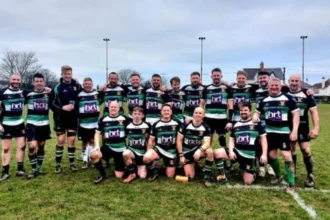
- Community Roots: Alongside his international and major stadium duties, Cleverly remains deeply involved in grassroots sport, volunteering to maintain pitches and coach the youth team at Caerphilly RFC.
- Knowledge Transfer: Lessons and technical insights gained regarding advanced irrigation, drainage, and airflow technologies will be integrated back into pitch management at the Principality Stadium ahead of major autumn fixtures.
Cardiff (Cardiff Daily) July 20, 2026 – A member of the elite Principality Stadium grounds team has returned to Cardiff following a prestigious nine-week technical assignment in the United States, where he directly contributed to preparing one of the world’s most sophisticated sporting arenas for the upcoming FIFA World Cup 2026. Rhys Cleverly, a professional groundsman originally from Caerphilly, embedded with turf management specialists at SoFi Stadium in Inglewood, California. His placement focused on executing the complex transition of the stadium’s surface from its standard American football synthetic turf to a state-of-the-art natural hybrid grass system engineered explicitly to meet rigorous international football standards.
- Key Points
- How Did a Welsh Groundsman Secure a Role at the FIFA World Cup 2026 Preparations in California?
- What Technological Innovations Are Driving the SoFi Stadium Pitch Transformation?
- What Insight Did the Grounds Teams and Management Share Regarding the Project?
- How Does Grassroots Sport Intersect with Elite International Stadium Management?
- What Are the Immediate Next Steps for the Principality Stadium Grounds Team?
- Background of the FIFA World Cup 2026 Surface Modifications
- Predictions: How This Development Affects the Welsh Turf Industry and Local Sports Community
How Did a Welsh Groundsman Secure a Role at the FIFA World Cup 2026 Preparations in California?
The assignment materialized through structural partnerships between global sports turf pioneers and stadium operations executives, aiming to cross-pollinate expertise across international sporting codes. Cleverly was selected to collaborate with industry-leading entities, including Hatko Turf and Precision Turf, who are overseeing the critical pitch overhauls required for American stadiums hosting the expanded 48-team international tournament.
As documented in official media releases by the Welsh Rugby Union (WRU), Cleverly’s nine-week tenure allowed him to work alongside cross-functional grounds crews tasked with managing the heavy logistical demands of elite football schedules.
The exchange emphasizes the growing global mobility of specialized turf technicians as stadiums worldwide face increasingly complex multi-sport conversions.
What Technological Innovations Are Driving the SoFi Stadium Pitch Transformation?
The core of the assignment centered on SoFi Stadium’s pioneering hybrid grass pitch system. Traditionally configured with an artificial surface optimized for the rigorous impacts of the NFL’s Los Angeles Rams and Los Angeles Chargers, the stadium requires a complete agronomic overhaul to satisfy FIFA’s mandatory natural grass mandates.
The conversion utilizes advanced modular turf technology that integrates natural grass with synthetic reinforcing fibres. This system is supported underneath by high-spec infrastructure:
- Advanced Macro-Drainage Networks: Designed to evacuate high volumes of water rapidly, preventing surface pooling during sudden weather events.
- Sub-Air Airflow Systems: Specialized vacuum and ventilation technology built beneath the pitch layers to regulate soil oxygen levels, manage moisture, and control root-zone temperatures.
- Precision Irrigation Matrixes: Automated systems designed to deliver exact moisture levels across the pitch, ensuring uniform ball bounce and player traction.
This structural composition allows the surface to retain its elasticity, structural integrity, and aesthetic quality under the intense stress of tournament football, where matches are played in close succession.
What Insight Did the Grounds Teams and Management Share Regarding the Project?
The deployment has drawn widespread praise from corporate partners, project directors, and stadium executives on both sides of the Atlantic.
The collaborative nature of the project allowed for a direct exchange of structural methodologies between UK multi-use stadium management and US commercial stadium operations.
As reported by project communications personnel at the venue, Rhys Cleverly stated:
“It’s a fantastic opportunity to be part of a project on this scale. SoFi Stadium is preparing to host some of the biggest matches in world sport and it’s been brilliant to work alongside talented grounds teams and specialists from across the industry.”
Cleverly further detailed the dual benefits of the placement, noting:
“While I’ve been able to share some of the experience and knowledge we’ve developed at Principality Stadium, I’ve also been learning from some of the best people in the business and gaining exposure to new technologies, systems and ways of working. Being involved in preparations for a World Cup venue is something I’m incredibly proud of and an experience I’ll carry with me throughout my career.”
The international assignment relied heavily on corporate and institutional backing. Cleverly expressed formal gratitude to key organizers who facilitated the logistics:
“I’d like to say a huge thank you to Wayne Billing at Hatko Turf and Chris Carnahan at Precision Turf for offering me the opportunity to spend nine weeks in the United States. It’s a once-in-a-lifetime experience and one that wouldn’t have been possible without their support.”
He also acknowledged his employers in Cardiff, adding:
“I’d also like to thank Lee Evans and everyone at the WRU for giving me the time and backing to pursue this opportunity. Their support has meant a great deal and reflects the importance they place on developing people and sharing knowledge across the industry.”
Reflecting on his day-to-day operations in California, Cleverly credited the local leadership at the NFL venue:
“Finally, I’d like to thank Chris Chang, NFL Turf and Grounds Manager at SoFi Stadium, for welcoming me into the team and supporting me throughout the process. He’s been incredibly generous with his time and knowledge, helping me develop new skills, build my confidence and get the most out of this experience. I’m looking forward to bringing those lessons back to Cardiff and sharing them with the team.”
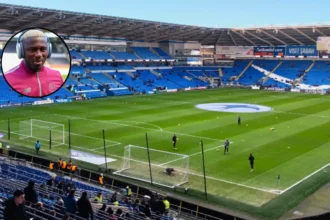
From the perspective of Welsh stadium management, the deployment serves as validation of the technical standards maintained in Cardiff. Head Groundsman at Principality Stadium, Lee Evans, expressed the institutional pride felt by the home crew:
“We’re all incredibly proud of Rhys. Opportunities like this don’t come around very often and it’s a real reflection of his ability and the reputation of the team here at Principality Stadium. To be trusted to work on a World Cup host venue is a huge achievement.”
Evans also highlighted the long-term strategic value of sending personnel to major international projects:
“One of the great things about our industry is the willingness to share ideas and learn from each other. Rhys has gone out there with a wealth of experience of his own, but working alongside other leading professionals and seeing different systems and technologies first-hand is invaluable. The whole team will benefit from that when he returns.”
How Does Grassroots Sport Intersect with Elite International Stadium Management?
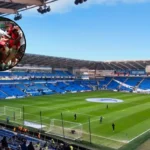
Despite working on multi-billion dollar real estate assets in Southern California, Cleverly’s career remains anchored in the amateur, community-led sector of Welsh sport. Outside of his professional obligations at the 74,500-capacity Principality Stadium, he dedicates a significant portion of his personal time to his local rugby club, Caerphilly RFC.
At the grassroots level, Cleverly applies professional turf management methodologies to maintain the club’s community pitches, ensuring safer playing conditions for amateur athletes. Furthermore, he acts as a coach for the club’s youth division, directly volunteering in the development of young sporting talent within the regional valleys.
This connection highlights a distinct trend within the turf management industry, where elite practices are routinely translated back to community sports fields to improve safety, pitch durability, and local engagement.
What Are the Immediate Next Steps for the Principality Stadium Grounds Team?
Now back in Cardiff, Cleverly has officially re-entered the operations rotation under the supervision of Lee Evans. The grounds department faces an incredibly tight operational window as the late summer and autumn schedule commences.
Initial efforts are concentrated on the complete regeneration and preparation of the Principality Stadium pitch for the upcoming FA Community Shield.
Following the conclusion of this high-profile football fixture, the grounds crew will immediately begin the technical process of transitioning the playing surface back to meet the distinct structural profiles required for elite rugby union, specifically ahead of the Nations Championship matches scheduled for this autumn.
The integrated knowledge regarding hybrid stability and rapid restoration gained in California is expected to be deployed immediately during these rapid turnarounds.
Background of the FIFA World Cup 2026 Surface Modifications
The transition of American stadiums ahead of the FIFA World Cup 2026 represents one of the largest coordinated agronomic challenges in modern sports history.
The tournament, co-hosted across Canada, Mexico, and the United States, features several venues—including SoFi Stadium in Los Angeles, MetLife Stadium in New Jersey, and AT&T Stadium in Texas—that utilize synthetic turf for their resident NFL franchises.
Because FIFA regulations strictly mandate natural grass surfaces for World Cup matches to ensure consistent ball physics and reduce player injury risks, these venues have had to invest millions in temporary or permanent structural conversions.
The process requires removing existing synthetic carpets, altering concrete sub-bases, and installing temporary, highly engineered hybrid grass systems that can thrive inside enclosed or partially roofed architectural environments.
The demand for highly skilled grounds staff capable of executing these rapid, precise conversions has triggered an unprecedented wave of international talent recruitment, drawing heavily from UK and European venues seasoned in managing year-round natural and hybrid turf layouts.
Predictions: How This Development Affects the Welsh Turf Industry and Local Sports Community
This successful international exchange is poised to have clear, cascading effects across both elite and grassroots sporting sectors in Wales.
For the broader UK turf management sector, Cleverly’s deployment establishes a clear precedent for institutional knowledge-sharing. It demonstrates that regional bodies like the WRU are capable of exporting technical talent to major global sports projects.
This visibility is highly likely to open up future international pathways for younger Welsh groundskeepers, raising the profile of local vocational training programs in sports agronomy.
Enhanced Pitch Resilience at the Principality Stadium
For the paying spectators and elite athletes utilizing the Principality Stadium, the integration of Southern Californian turf management insights will likely manifest in improved surface durability.
As the stadium navigates heavy fixture congestion between the FA Community Shield, music concerts, and the Nations Championship, the implementation of advanced moisture and airflow management techniques will reduce surface degradation, lowering the risk of match cancellations or poor playing conditions.
Elevating the Standards of Grassroots Community Pitches
At the local level in Caerphilly, the impact will be felt directly by amateur players. As Cleverly brings refined knowledge regarding drainage efficiency and soil compaction back to Caerphilly RFC, the community club will benefit from maintenance routines typically reserved for elite professional clubs.
This directly translates to more resilient grassroots pitches that can withstand harsh Welsh winter weather, ensuring fewer postponed youth fixtures and providing a safer environment for development squads.