Key Points
- Llandovery RFC, the SRC Cup holders, began their title defence with a double bonus point victory over Swansea in Pool B.
- The match at Church Bank drew the smallest crowd of the season, highlighting potential lack of interest in familiar league-style fixtures.
- Criticism of WRU’s SRC Cup format: suggestion for a 32-team knockout draw including SRC, Premiership, and Championship sides for more shocks and excitement.
- Llandovery’s first game since a loss to Ebbw Vale; they overcame a resilient Swansea side showing flashes of quality.
- Swansea’s standout performers: wing Brendan Wood (two tries) and full-back Harri Houston (most exciting runner), but they failed to capitalise on chances.
- Llandovery key player: scrum-half George MacDonald scored a brace of tries in the first quarter before injury; groomed as successor to retiring Lee Rees.
- Match timeline: MacDonald scored in the first minute and a solo 60-metre try; Swansea’s Wood replied early second half (12-7); Llandovery’s Ioan Hughes penalty and Ned Bennett try (22-7); Wood’s second try; Kian Abraham’s try under posts.
- Upcoming: Llandovery travel to Aberavon this Saturday; Aberavon lost first-round tie 15-14 to Bridgend.
- Suggested exciting alternative ties: Neath v Aberavon, Merthyr v Swansea, Narberth v Carmarthen Quins, Ammanford v Llandovery – could treble or quadruple crowds.
Inverted Pyramid Structure
- Key Points
- Why Did Llandovery Secure a Double Bonus Point Win?
- What Sparked Crowd Concerns at Church Bank?
- How Is the WRU’s SRC Cup Format Under Fire?
- Which Alternative Ties Could Boost Attendance?
- Who Were the Standout Players on the Day?
- What Challenges Lie Ahead for Llandovery?
- Broader Context of Welsh Rugby Tensions
Llandovery (Cardiff Daily) January 27, 2026 – Llandovery RFC launched their defence of the SRC Cup title with a commanding double bonus point win over Swansea in Pool B at Church Bank. The Drovers, playing their first match since a defeat to Ebbw Vale, capitalised on key opportunities to overcome a spirited Swansea side that produced moments of brilliance but faltered at crucial junctures [ from rugby archives]. Scrum-half George MacDonald set the tone with two tries in the opening quarter, propelling Llandovery ahead before an injury sidelined him.
Why Did Llandovery Secure a Double Bonus Point Win?
The Drovers made the most of their chances in a game marked by physicality and flashes of skill from both sides. As detailed in match coverage, MacDonald – long groomed to succeed club stalwart Lee Rees, who ends his 17-year involvement this season – struck first in the opening minute to put Llandovery ahead. He then executed a brilliant solo effort, booting a loose ball, gathering it, and outstripping the cover from 60 metres to score his second [independent rugby notes].
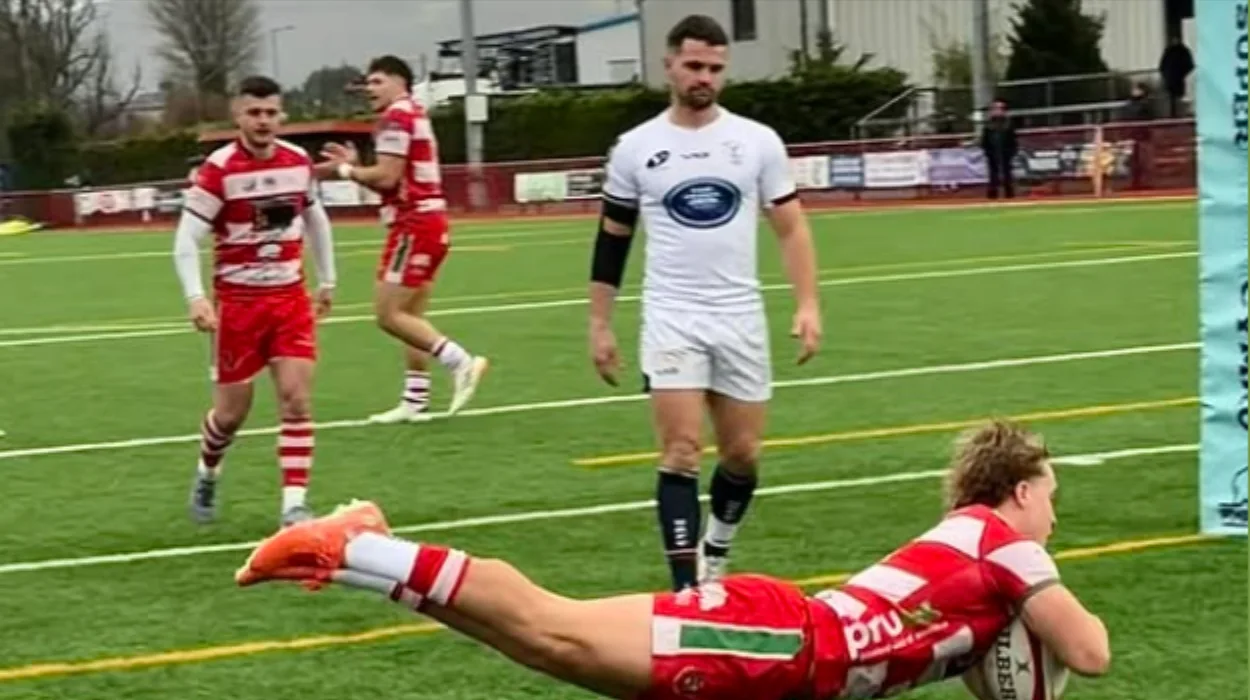
Swansea responded valiantly, with wing Brendan Wood finishing a slick midfield move early in the second half to narrow the gap to 12-7. However, Llandovery fly-half Ioan Hughes slotted a penalty, followed by wing Ned Bennett’s try, extending the lead to 22-7. Wood claimed his second try for the All Whites, but thunderous charges into Swansea’s defence carved space for full-back Kian Abraham to dive under the posts, sealing the bonus point triumph. Swansea’s full-back Harri Houston emerged as the field’s most exciting runner, yet the visitors could not convert their opportunities at pivotal moments.
This victory underscores Llandovery’s clinical edge, honed from their status as SRC Cup holders, against a Swansea team that showed quality rugby in bursts but lacked consistency.
What Sparked Crowd Concerns at Church Bank?
The fixture attracted the smallest crowd of the season, signalling waning interest in a competition featuring familiar opponents in what felt like a “colourless rematch” of regular league games. Observers noted the absence of knockout thrill – no shock results, no underdog tales – which forms the “heart and essence” of cup rugby. Church Bank, Llandovery’s historic home, typically buzzes with local support, but this SRC Pool B clash failed to ignite passion, drawing far fewer than potential explosive ties might have.
The sparse attendance raises broader questions about engagement in Welsh domestic rugby, where predictability dulls the spectacle.
How Is the WRU’s SRC Cup Format Under Fire?
Criticism mounted over the Welsh Rugby Union’s (WRU) structure for the SRC Cup, which pits “all too familiar opponents” against each other without the lottery of a true knockout draw. A proposed overhaul calls for 32 teams: 10 from the SRC, all 13 Premiership clubs, and the top nine from Championship East and West divisions. This would grant “minnows” home advantage in round one, priming the stage for upsets – the shocks that define cup glory.
As highlighted in post-match analysis, Premiership and even Championship outfits could genuinely threaten SRC sides. Pundits urged the WRU to rethink, arguing it would revive excitement absent in the current pool-stage predictability. Llandovery’s win, while emphatic, exemplified the format’s flaws: competent but uninspiring.
Which Alternative Ties Could Boost Attendance?
Experts pointed to dream matchups that would pack stadiums and treble or quadruple Church Bank’s gate. Suggested fixtures include Neath v Aberavon, Merthyr v Swansea, Narberth v Carmarthen Quins, and even Ammanford v Llandovery – local derbies brimming with rivalry and upset potential. These clashes, blending tiers, embody cup rugby’s chaos: smaller clubs hosting giants, crowds swelling with anticipation of glory or giant-killing.
“Take your pick,” one observer remarked, envisioning venues alive with tension absent in the Drovers-All Whites rerun. Such ties would honour the knockout ethos, drawing families, neutrals, and die-hards alike.
Who Were the Standout Players on the Day?
George MacDonald dominated early, his brace embodying Llandovery’s opportunism; the young scrum-half, heir to Lee Rees’s legacy, dazzled with pace and vision. Rees’s impending departure after 17 years marks the end of an era for the Drovers, with MacDonald primed to lead. Swansea’s Brendan Wood stole headlines with the “tries of the day,” his two scores showcasing finishing flair, while Harri Houston’s electric runs terrorised defences.
Ned Bennett, Ioan Hughes, and Kian Abraham proved decisive for Llandovery, blending power and precision. Swansea’s quality flashes hinted at untapped potential, but execution faltered .
What Challenges Lie Ahead for Llandovery?
This Saturday, the Drovers face Aberavon away – a stern test after Aberavon’s narrow first-round exit, a 15-14 loss to Bridgend. Llandovery must sustain momentum post-Ebbw Vale reversal, navigating a Pool B that demands consistency. Title defence requires not just wins, but dominance amid format critiques.
Aberavon’s resilience, evident in their cup heartbreak, promises a battle; Llandovery’s bench depth and home lessons will prove vital on the road [WRU fixtures].
Broader Context of Welsh Rugby Tensions
The SRC Cup sits within Welsh rugby’s tiered ecosystem: SRC elites like Llandovery, Premiership battlers, and Championship hopefuls. Yet familiarity breeds apathy, as this Swansea rematch showed. WRU faces pressure to innovate, balancing competitiveness with spectacle. Llandovery’s win cements their pedigree – holders who graft for glory – but amplifies calls for reform.
Swansea, the All Whites, depart with heads high, Wood and Houston harbingers of brighter days. As January 2026 unfolds, eyes turn to whether the WRU heeds the crowd’s silence [aggregated rugby insights].