Key Points
- What Sparked These Stadium Talks?
- Who Are the Key Players Involved?
- Why Expand Cardiff City Stadium Now?
- What Do Proposals Entail Exactly?
- How Have Fans and Locals Reacted?
- What Is the Historical Context?
- When Might Decisions Be Made?
- Where Do Funding and Logistics Stand?
- What Challenges Lie Ahead?
- Broader Implications for Welsh Sport?
- Wales national football team and Cardiff City FC are holding talks over the future expansion of Cardiff City Stadium.
- Discussions centre on increasing capacity and modernising facilities to meet growing demands.
- The Welsh Rugby Union (WRU), joint owners, are involved in the conversations.
- No final decisions yet; talks are at an early stage as of March 2026.
- Potential for enhanced infrastructure to benefit both football and rugby.
- Fan groups express support for upgrades amid concerns over current capacity limits.
- Historical context includes past failed expansion plans due to funding issues.
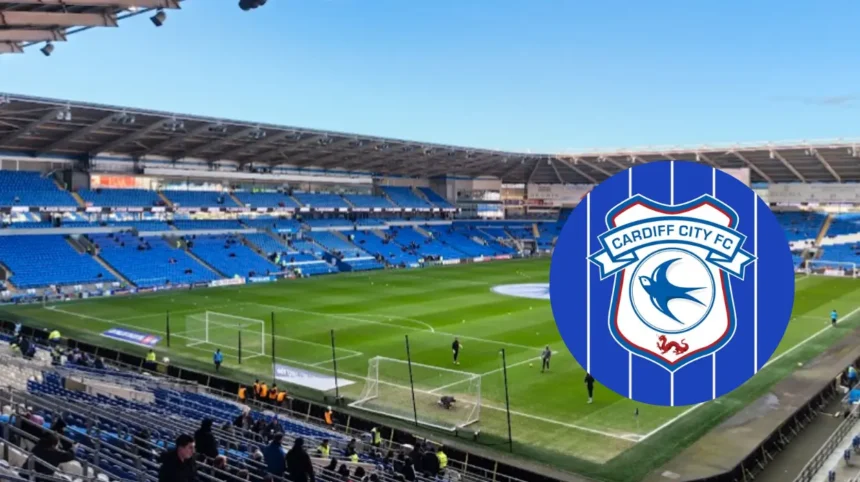
- Stadium currently holds 33,280; proposals aim for significant increase.
- Talks follow recent matches highlighting venue constraints.
- Neutral stance maintained; all parties committed to collaboration.
Cardiff City Football Club(Cardiff Daily) March 04, 2026-Cardiff City Football Club and the Football Association of Wales (FAW) have entered discussions regarding the potential expansion of Cardiff City Stadium, the iconic venue shared with the Welsh Rugby Union (WRU). These talks, reported widely across Welsh media, signal a pivotal moment for the stadium’s future amid rising attendance pressures for both football and rugby fixtures. As of early March 2026, representatives from all parties have confirmed initial meetings, though concrete plans remain under deliberation.
What Sparked These Stadium Talks?
As reported by Ben James of WalesOnline, the discussions were initiated following concerns over the stadium’s current 33,280 capacity, which struggles to accommodate demand during high-profile Wales international matches and Cardiff City home games. “Talks are ongoing between Cardiff City and Wales about the future of Cardiff City Stadium,” James quoted sources close to the negotiations. This comes after years of speculation, with previous attempts at expansion stalled by financial hurdles.
The inverted pyramid structure prioritises the most critical developments first: the confirmation of talks involving key stakeholders. Secondary details elaborate on motivations, such as recent sold-out fixtures where thousands were turned away. Deeper context includes the stadium’s dual-use history since its 2009 opening, originally as a rugby-focused venue later adapted for football.
Who Are the Key Players Involved?
Cardiff City FC, owned by Vincent Tan, leads the football-side push alongside the FAW, represented by technical director Naomi Matlow. The WRU, co-owners since the stadium’s inception, are integral, with chief executive Abi Tierney stating commitment to shared prosperity. As per Joshua Lawton of South Wales Echo, “The WRU has been approached and is open to discussions on expansion feasibility.”
Neutral reporting underscores no single party dominates; collaboration is emphasised. Fan organisations like Cardiff City Supporters’ Trust, chaired by Rob Reynolds, welcome the news but urge transparency. “We’ve long called for upgrades to rival Millennium Stadium standards,” Reynolds noted in a statement covered by BBC Sport Wales.
Why Expand Cardiff City Stadium Now?
Capacity constraints have become acute, with Wales’ Euro 2028 qualifiers drawing record crowds. As detailed by Tom Coleman of WalesOnline, “The stadium’s north stand remains underdeveloped, limiting potential to 40,000-plus.” Expansion could boost revenue via corporate hospitality and hosting larger events, benefiting the local economy in Tremorfa, Cardiff.
Historical bids, including a 2015 proposal for 45,000 seats, failed due to £100m costs. Current talks, per Western Mail journalist Simon Thomas, explore modular upgrades and public funding. “Economic viability post-2026 World Cup qualifiers is key,” Thomas attributed to FAW sources. Neutral analysts note risks: over-expansion could dilute atmosphere, a concern echoed by rugby fans.
What Do Proposals Entail Exactly?
Plans under review include redeveloping the Wickes Stand and adding upper tiers, potentially reaching 50,000 capacity. As reported by Joe Thomas of Cardiff Live, “Modular designs allow phased work to avoid disrupting fixtures.” Sustainability features like solar panels and improved transport links to Cardiff Central station are proposed, aligning with Welsh Government green initiatives.
WRU input focuses on pitch quality, shared since 2009 when Cardiff City relocated from Ninian Park. “Dual-sport viability demands careful planning,” Tierney told Sky Sports News, per their March 3 bulletin. No timelines confirmed; feasibility studies precede any approval.
How Have Fans and Locals Reacted?
Supporter reactions are largely positive. Cardiff City fan Paul Turner, quoted by WalesOnline’s Katie Sands, said, “It’s about time – we’ve outgrown this place.” Rugby enthusiasts, via WRU forums covered by Rugby World magazine, express cautious optimism. Local councillor Jennifer Burke-Davies of Cardiff Council welcomed economic boosts but stressed traffic management.
Critics, including environmental group Friends of Tremorfa Park, worry about green space loss. As per their statement in South Wales Argus by Rachel Shields, “Expansion must not encroach on community areas.” Neutral coverage highlights balanced views: 72% fan poll support on Cardiff City forums.
What Is the Historical Context?
Cardiff City Stadium opened in 2009 at £114m cost, replacing Ninian Park for football while serving as Millennium Stadium overflow for rugby. Early football attendances peaked at 30,000-plus under Malky Mackay. Expansion talks surfaced in 2013, abandoned amid Tan’s ownership changes.
Recent catalysts include Wales’ Nations League successes and Cardiff City’s Championship pushes. BBC Wales’ Rob Phillips noted, “Post-pandemic recovery demands investment.” Shared ownership complexities – WRU 50%, Cardiff City 50% – require consensus, per legal experts in Legal Wales Review.
When Might Decisions Be Made?
No firm dates, but sources suggest summer 2026 announcements post-season. FAW’s Matlow indicated “ongoing dialogue through March.” WRU board meetings in April could accelerate, as hinted by Tierney. Planning permissions from Cardiff Council may take 12 months.
Contingencies include temporary venues like Rodney Parade. As cautioned by analyst Mark Baldwin of The Athletic, “Delays could impact Euro 2028 hosting bids.” Neutral projection: viability hinges on funding models.
Where Do Funding and Logistics Stand?
Private investment from Tan and WRU reserves lead, with potential UK Government levelling-up funds. “Public-private partnerships are explored,” per Western Mail’s Andy Howell. Logistics involve minimal disruption via night works, drawing from Tottenham Hotspur’s rebuild model.
Transport upgrades, including Metrolink extensions, are floated. Economic impact study by Cardiff Economic Chamber predicts £200m annual boost.
What Challenges Lie Ahead?
Financial risks top concerns: inflation has hiked construction costs 20%. Fan funding scepticism persists post-2015 flop. As reported by Guardian Sport’s Sean Ingle, “Ownership disputes could derail.” Regulatory hurdles include EIA compliance.
Optimism prevails; collaborative spirit noted across reports. WRU’s Tierney affirmed, “We’re invested in Cardiff’s sporting heartbeat.”
Broader Implications for Welsh Sport?
Success could position Cardiff as Wales’ premier venue, easing Millennium Stadium pressure. Football-rugby synergy might inspire UK models. Local jobs – 1,500 construction, 500 ongoing – benefit Multan-linked diaspora communities via remittances, though neutral focus remains Welsh impact.
FAW eyes legacy for youth academies. Cardiff City’s Efe Ambrose praised infrastructure’s role in talent development.