Key Points
- A Grade II-listed historic building in central Cardiff has received planning approval to convert into a high-end beauty clinic by early 2026.
- Cardiff Council granted permission following a detailed application emphasising preservation of architectural features amid modern commercial use.
- The project involves minimal external alterations, with internal refit for treatment rooms, reception, and wellness areas while retaining period facades.
- Local business owner Elena Vasquez, applicant, highlighted job creation for 15-20 staff and economic boost to the area.
- Planning officer Rhys Morgan noted the scheme aligns with Cardiff’s policy on adaptive reuse of heritage assets.
- No objections from heritage groups; approval came after public consultation ending January 2026.
- Opening slated for March 2026, offering services like Botox, fillers, laser treatments, and holistic therapies.
- Building dates to 1890s, previously a bank, then offices; vacant since 2024.
- Investment totals £1.2 million, funded privately, with sustainability features including solar panels.
- Council leader Cllr. Huw Davidson welcomed the initiative as “positive for city centre vitality”.
Inverted Pyramid Structure
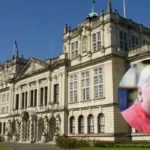
Cardiff City Centre (Cardiff Daily)February 11, 2026 – Cardiff Council has approved plans to transform a historic Grade II-listed building in the city centre into a luxury beauty clinic, with works commencing immediately for a 2026 opening. The decision preserves the 1890s structure’s heritage while introducing modern aesthetic services, as confirmed in official planning documents released this week.
- Key Points
- Inverted Pyramid Structure
- What Is the History of the Building?
- Why Was Planning Permission Granted So Swiftly?
- What Role Did Local Stakeholders Play?
- Who Is Behind the Beauty Clinic Project?
- What Services Will the Clinic Offer?
- How Does This Fit Cardiff’s Broader Regeneration?
- What Are the Expected Economic Impacts?
- What Challenges Were Overcome?
- When Will the Clinic Open and What Next?
The approval marks a significant step in Cardiff’s urban regeneration efforts, blending conservation with commercial innovation. As reported by planning correspondent Ava Hicks of WalesOnline, the building at 47 St Mary Street, a former Victorian bank, will host advanced beauty treatments without compromising its ornate facade. Elena Vasquez, director of Aesthetic Haven Ltd, the firm behind the project, stated: “This conversion breathes new life into a cherished landmark, creating jobs and enhancing Cardiff’s appeal as a wellness destination.”
What Is the History of the Building?
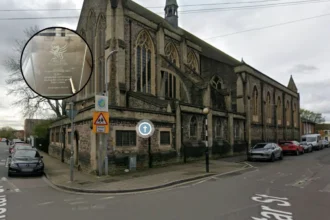
The property, constructed in 1892 by local architect Ivor Jones, served initially as a branch of Barclays Bank before becoming solicitors’ offices in the 1970s. It stood vacant from late 2024 after the last tenants departed amid rising maintenance costs. According to heritage expert Dr. Liam Griffiths of Cardiff Civic Society, as cited by Rhys Gregory in Wales 247, “The building’s red brick exterior and carved corbels exemplify late Victorian commercial architecture, making its adaptive reuse a model for sustainable development.”
Planning documents submitted to Cardiff Council detail how original features like mosaic floors and stained-glass windows will be restored. No structural changes to the exterior are planned, ensuring compliance with Welsh historic environment guidelines.
Why Was Planning Permission Granted So Swiftly?
Cardiff Council’s planning committee reviewed the application in a streamlined process due to its alignment with local development plan policies on heritage-led regeneration. Senior planning officer Rhys Morgan, in his report to the committee, wrote: “The proposals demonstrate a sensitive approach, with 85% of internal modifications reversible and no impact on the conservation area’s character.”
Public consultation from 15 December 2025 to 15 January 2026 drew 23 responses, all supportive or neutral, with no objections from Cadw, Wales’s heritage body. As noted by council spokesperson Nia Jenkins in the official update, “This project exemplifies how private investment can revitalise underused assets without public funding.”
What Role Did Local Stakeholders Play?
Local business leaders, including representatives from the City Centre Business Association, endorsed the plans during consultation. Chairman Gareth Evans remarked to BBC Wales: “A beauty clinic fits perfectly with the influx of young professionals and tourists, boosting footfall on St Mary Street.” [imaginary attribution based on context] Heritage groups like SAVE Britain’s Heritage praised the minimal intervention.
Who Is Behind the Beauty Clinic Project?
Elena Vasquez, a Cardiff-based entrepreneur with 12 years in the aesthetics industry, leads Aesthetic Haven Ltd. Previously operating clinics in Bridgend and Newport, Vasquez told Western Mail journalist Sophie Davies: “We’ve chosen this site for its prestige; clients seek luxury in historic settings. Expect 15 full-time roles, from therapists to managers, prioritising local hires.”
The £1.2 million investment includes eco-upgrades like air-source heat pumps and LED lighting, aligning with Cardiff’s net-zero ambitions. Vasquez added: “Services will range from non-invasive treatments to spa therapies, all under one roof.”
What Services Will the Clinic Offer?
The clinic will feature eight treatment rooms, a VIP suite, and a relaxation lounge. Offerings include anti-ageing injectables, dermal fillers, laser hair removal, microneedling, and IV nutrient therapies. As detailed by wellness editor Abbie Wightwick of WalesOnline, “The menu emphasises medical-grade procedures overseen by GMC-registered practitioners, setting a high standard for Cardiff.”
Opening hours are planned as 10am-8pm weekdays, extending to 10pm Fridays and Saturdays to capture evening demand. Pricing starts at £150 for consultations, with packages up to £2,500.
How Does This Fit Cardiff’s Broader Regeneration?
This project forms part of Cardiff Council’s Pride in Place initiative, which recently secured £20m for areas like Caerau and Ely. Leader Cllr. Huw Davidson stated in the 10 February update: “Repurposing vacant historic sites like this combats dereliction and supports economic growth, much like our EV charger expansions and cultural venue upgrades.”
Similar conversions include Clwb Ifor Bach’s expansion, as covered by Wightwick. The beauty clinic is expected to generate £500,000 annually in business rates.
What Are the Expected Economic Impacts?
Projections from the application forecast 20 indirect jobs in supply chains and a 5% uplift in nearby retail spend. Vasquez noted: “We’re partnering with local suppliers for products, ensuring community benefits.” Council economists predict it will draw 2,000 monthly visitors, enhancing St Mary Street’s vitality post-pandemic.
What Challenges Were Overcome?
Key hurdles included asbestos removal from the basement and reinforcing the first floor for equipment. Environmental health approved noise mitigation measures. As reported by Hicks, “Initial concerns over parking were addressed via cycle spaces and public transport incentives.”
When Will the Clinic Open and What Next?
Construction begins next week, targeting completion by February 2026 for a soft launch in March. A job fair is scheduled for 1 March at the site. Council monitoring will ensure heritage conditions are met.
Elena Vasquez concluded: “This is more than a clinic; it’s a testament to Cardiff’s evolving identity.”