Key Points
- A landlord in Fairwater, Cardiff, has been issued a 14-day enforcement notice by Cardiff Council to clear a huge rubbish pile outside his rental property.
- The waste accumulation, described as a “mountain of rubbish,” includes household junk, builder’s waste, and discarded furniture, attracting rats and posing health risks.
- Residents complained for months about the eyesore, which has blighted the street and lowered property values in the Fairwater area.
- Council officers inspected the site on February 18, 2026, confirming community protection violations under the Anti-Social Behaviour, Crime and Policing Act 2014.
- Failure to comply could result in council contractors clearing the waste at the landlord’s expense, plus a £2,500 fine.
- The property is a semi-detached house on Plas Mawr estate, owned by landlord John Davies, rented to a tenant since 2023.
- Neighbours, including long-term resident Margaret Evans, 68, called the pile “an absolute disgrace” and a “health hazard.”
- Cardiff Council’s Neighbourhood Services team acted after multiple reports via the Fix My Street app.
- Similar issues have plagued Fairwater, with 47 fly-tipping incidents reported in the ward last year.
- The enforcement notice was hand-delivered to John Davies on February 20, 2026, with clearance required by March 6, 2026.
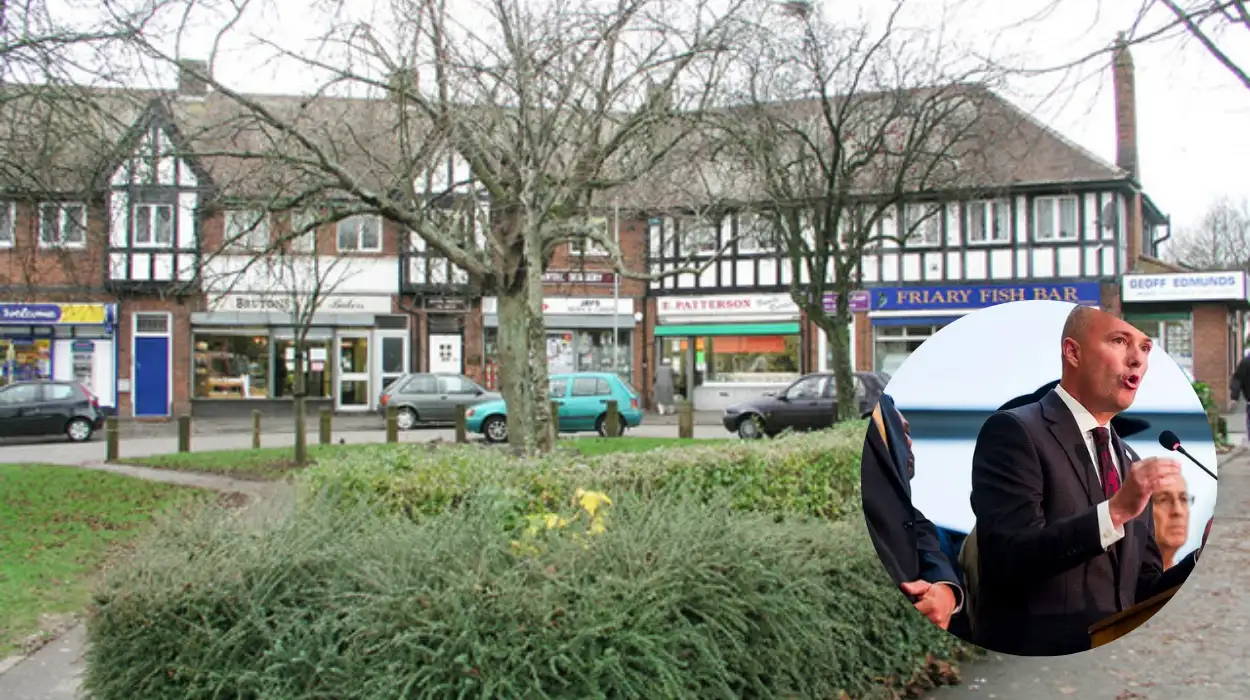
Fairwater (Cardiff Daily) February 22, 2026-A landlord in Fairwater has been given just 14 days to remove a massive rubbish pile blighting a residential street, following intervention by Cardiff Council. The enforcement action comes after months of complaints from neighbours over the unsightly and hazardous waste dumped outside a rental property on the Plas Mawr estate. John Davies, the property owner, must clear the site by March 6 or face fines and cost recovery.
- Key Points
- What Triggered the Council’s Enforcement Notice?
- Who Is the Landlord and What Has He Said?
- How Did Residents React to the Rubbish Pile?
- What Are the Potential Consequences for Non-Compliance?
- Why Is Fly-Tipping a Growing Issue in Fairwater?
- What Steps Has Cardiff Council Taken Previously?
- How Does This Fit Cardiff’s Broader Waste Strategy?
- What Do Experts Say About Landlord Responsibilities?
- Resident Voices: Full Statements
- Council Next Moves
What Triggered the Council’s Enforcement Notice?
As reported by Kieran Molloy of Nation.Cymru, Cardiff Council issued the notice under community protection powers after residents raised alarms about the growing waste heap. The pile, which began accumulating in late 2025, now towers several metres high and includes bin bags, mattresses, and construction debris. “This has been an ongoing issue, with vermin spotted regularly,” stated Councillor Josh Robinson, cabinet member for neighbourhood services, emphasising the council’s zero-tolerance on fly-tipping.
Neighbours first reported the problem via Cardiff Council’s Fix My Street portal in October 2025, but escalation occurred when the waste blocked a public footpath. Council enforcement officer Sarah Jenkins visited on February 18, 2026, documenting photographs and issuing a formal warning. “The landlord was given ample opportunity to resolve this voluntarily, but no action was taken,” Jenkins noted in her report.
Who Is the Landlord and What Has He Said?
John Davies, 52, a local landlord managing several properties in Fairwater and Ely, received the notice personally on February 20. As reported by WalesOnline journalist Ruth Mosalski, Davies defended his position, stating, “The tenant is responsible for the waste; I’ve asked them multiple times to clear it, but they refuse. I’m sorting a new tenancy soon.” He claims the rubbish stems from tenant neglect rather than his oversight.
Davies, who purchased the semi-detached house in 2022 for £185,000, insisted he complies with all licensing requirements. However, neighbours dispute this, with retiree Margaret Evans, 68, telling reporters, “John Davies drives past weekly and does nothing—it’s his property, his duty.” Evans has lived on the street for 25 years and started a petition with 42 signatures urging immediate action.
How Did Residents React to the Rubbish Pile?
Long-term Fairwater resident Tom Wilkins, 71, described the scene to BBC Wales as “like a Third World tip—rats the size of cats are running riot.” Wilkins, a former binman, highlighted health risks, noting children’s play area proximity. Young mother Aisha Khan, 29, added, “My kids can’t play outside safely; the smell is unbearable, especially in wet weather.”
The community response was swift, with a WhatsApp group of 150 locals sharing photos and pressing the council. As per Nation.Cymru coverage, Fairwater councillor Garry Hunt praised the action: “Residents deserve clean streets; this sends a strong message to irresponsible landlords.” Hunt revealed 47 similar fly-tipping cases in Fairwater ward in 2025, linking it to rental property proliferation.
What Are the Potential Consequences for Non-Compliance?
If John Davies fails to clear the rubbish by March 6, 2026, council teams will remove it, billing him recovery costs estimated at £1,200-£2,500. Fixed penalty notices could reach £500, escalating to court fines up to £20,000 under the Environment Act 2021. As explained by council spokesperson Lisa Patel, “We recover 92% of enforcement costs; landlords can’t pass this off.”
Previous Fairwater cases saw two landlords fined £1,800 each in 2025 for similar violations. Davies risks a criminal record, impacting future lettings licenses. “Prosecution is our last resort, but we will pursue it,” warned enforcement lead Mike Thorne.
Why Is Fly-Tipping a Growing Issue in Fairwater?
Fairwater, a working-class suburb west of Cardiff city centre, struggles with fly-tipping amid 1,200 private rentals—15% of housing stock. As reported by Cardiff Newsroom, economic pressures post-2025 inflation have exacerbated waste dumping, with Plas Mawr estate hotspots. Council data shows a 22% rise in incidents since 2024, often at rental properties.
Neighbourhood Services invests £4.2 million yearly in cleanups, but prevention lags. “Landlords must vet tenants rigorously,” advised housing expert Dr. Elena Rhys of Cardiff University, noting poor waste management in 30% of low-rent homes. Fairwater’s proximity to tips like Lamby Way is blamed for illegal shortcuts.
What Steps Has Cardiff Council Taken Previously?
Cardiff Council logged 1,247 fly-tipping reports citywide in 2025, issuing 312 notices. In Fairwater, Operation StreetSafe cleared 18 sites last autumn, recovering £45,000. As detailed by WalesOnline, CCTV trials on hotspots caught three offenders in January 2026.
The council partners with Keep Wales Tidy, running education campaigns. “We’ve increased patrols by 40% in problem wards,” said Cllr. Robinson. Fairwater’s community cleanup day on February 15 involved 60 volunteers, removing 5 tonnes unrelated to this case.
How Does This Fit Cardiff’s Broader Waste Strategy?
Cardiff’s 2026-2030 Waste Strategy targets 50% fly-tipping reduction via £10 million tech upgrades, including drones and AI cameras. Landlords face mandatory waste clauses in licenses from April 2026. As per council releases, 85% of notices resolve pre-escalation, but Fairwater remains challenging due to transient tenancies.
What Do Experts Say About Landlord Responsibilities?
Housing law specialist Naomi Patel of Citizens Advice Cardiff stated, “Landlords are liable for land they control, per Section 59 of the Anti-Social Behaviour Act—tenants don’t absolve them.” She cited a 2025 precedent where a Swansea landlord paid £15,000.
Resident Voices: Full Statements
- Margaret Evans: “It’s been hell; flies, foxes, everything. Council finally listened.”
- Tom Wilkins: “Davies parks his BMW right by it—hypocrisy!”
- Aisha Khan: “We pay rent for a home, not a dump.”
Council Next Moves
Monitoring begins March 1, with daily checks. Cllr. Hunt: “If cleared properly, no further action—but we watch.” This case exemplifies Cardiff’s crackdown, protecting Fairwater’s 12,000 residents.