Cardiff, the vibrant capital of Wales, stands at a crossroads where centuries-old heritage clashes with the push for contemporary urban expansion. The city’s council grapples with balancing preservation of its rich historical fabric against the demand for high-rise developments to accommodate a growing population and economy. This ongoing tension defines much of Cardiff’s modern planning landscape.
Cardiff’s Storied Heritage Foundation
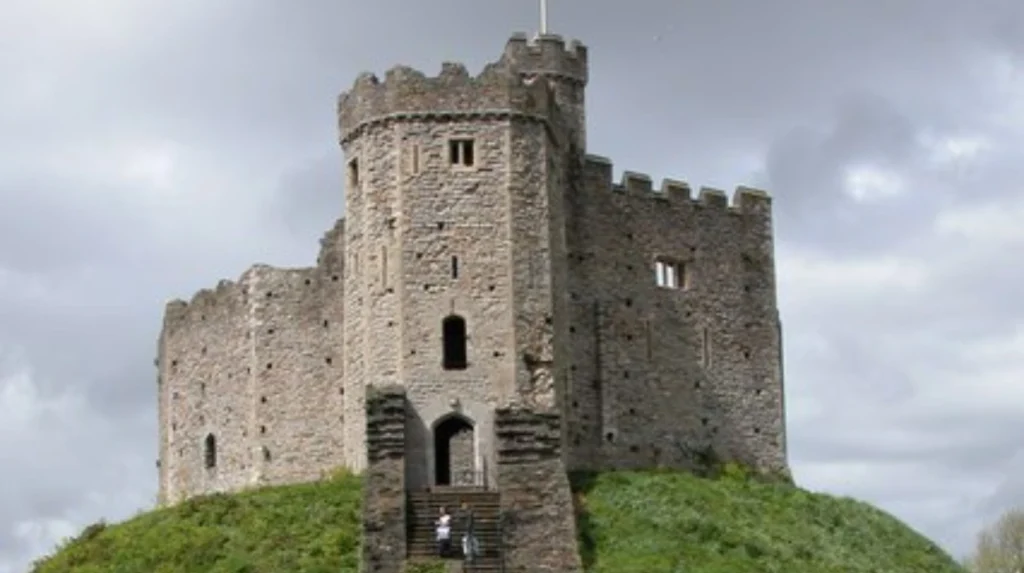
Cardiff’s heritage traces back over 2,000 years, evolving from a Roman fort to a medieval powerhouse and Victorian industrial hub. At its heart lies Cardiff Castle, a landmark that has anchored the city since the 11th century, blending Norman keeps with opulent 19th-century Gothic Revival additions by architect William Burges. The castle’s grounds and towers not only symbolize the city’s past but also serve as a constant reminder of the architectural legacy that developers must navigate today.
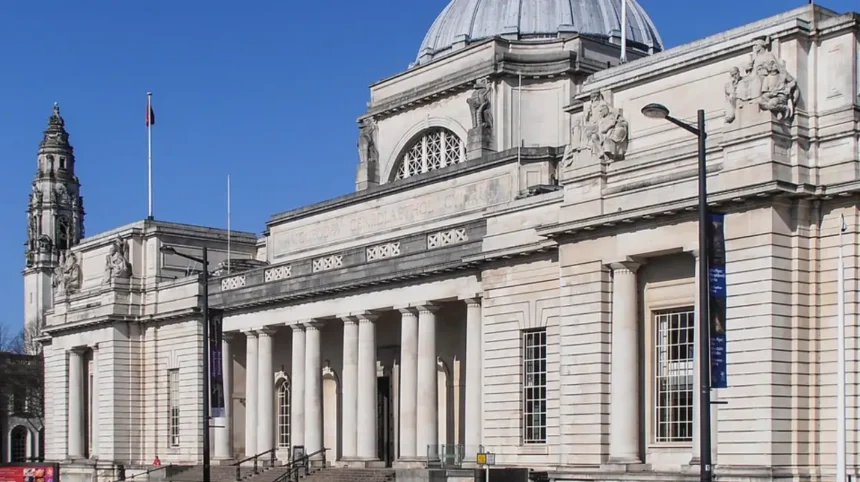
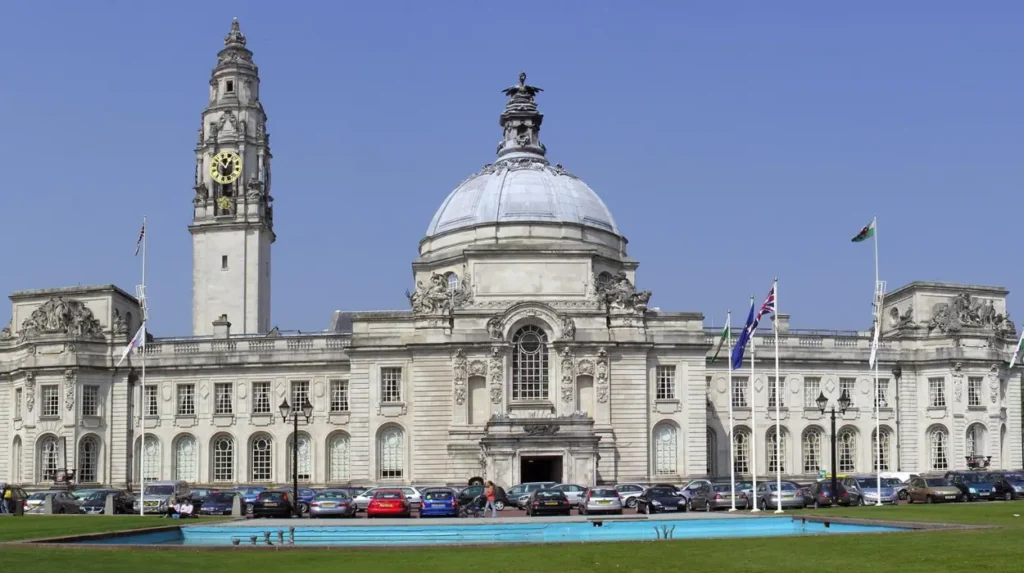
The civic center, developed in the early 20th century, further exemplifies this grandeur with neoclassical buildings like City Hall and the National Museum Cardiff. These structures, constructed from Portland stone, reflect the era’s civic pride during Cardiff’s coal-exporting boom. Preservation efforts, led by groups like the Cardiff Civic Society, emphasize how such sites contribute to the city’s identity, drawing millions of tourists annually and bolstering local pride.
Yet, this heritage faces erosion from rapid urbanization. Grade II*-listed buildings, such as the former Howells department store on St Mary Street, embody Victorian retail elegance from the 1860s. Recent closure in 2023 has sparked debates over its future, underscoring the council’s challenge in safeguarding irreplaceable assets.
The Surge of High-Rise Ambitions
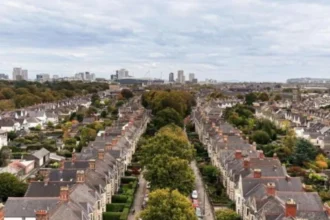
In response to population growth—Cardiff’s residents swelled by over 10% in the last decade—the council has embraced vertical development to maximize limited land. Policies like the Tall Buildings Design Guide, adopted in 2009 and updated since, encourage towers in designated zones to deliver housing, offices, and amenities. Proponents argue this approach supports economic vitality, with projects promising apartments, public squares, and commercial spaces.
The former Howells site exemplifies this shift. Developers TE Cardiff 7 Ltd propose demolishing non-contributory structures to erect an 11-storey red-brick tower with 105 apartments, while retaining listed facades. This plan, detailed in council documents, aims to revitalize a prime city-center location dormant since 2023. Similar initiatives dot the skyline, from the towering Atlantic Wharf developments to proposed blocks near Guildford Crescent, replacing music venues and eateries with residential towers.
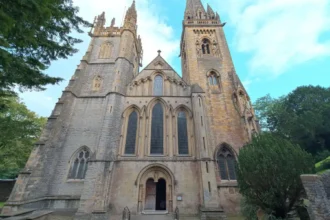
High-rises promise benefits like increased housing stock amid Wales’ affordability crisis. Cardiff’s council reports that such projects could add thousands of units, easing pressure on suburbs and funding infrastructure through developer levies. However, critics highlight how these structures alter sightlines, overshadowing landmarks like St John’s Church and the castle.
Preservation Policies in Action
Cardiff Council operates under stringent frameworks to protect heritage. Cadw, Wales’ historic environment service, oversees listed buildings, requiring retention strategies for sites like Howells. The council’s Local Development Plan mandates that new builds respect surrounding character, with supplementary guidance promoting “contextual” designs in sensitive areas.
Recent updates aim to protect key assets. In 2024, plans surfaced to safeguard structures like the Mansion House on Richmond Road and the Old Library on The Hayes, though fiscal pressures prompt considerations of adaptive reuse or sales. Conservation areas, such as those around St Mary Street, impose height restrictions and material guidelines to maintain visual harmony.
Academic analyses reinforce these measures. Studies from Welsh heritage bodies stress the economic value of preservation—historic districts generate higher tourism revenue than generic modern zones. Yet enforcement varies; the Civic Society notes failures, like the unregistered Roath Park pub, where high-rise policies prevailed.
Controversies Fueling the Debate
The redevelopment of historic sites ignites fierce opposition. For the Howells project, Cardiff Civic Society’s 2025 objection labeled the 11-storey block an “eyesore” that would dwarf adjacent listed buildings, violating statutory protections. Views from Cardiff Castle and St Mary Street, they argue, would suffer irreparable harm, turning focal points into overshadowed relics.
Past council decisions amplify distrust. Over the last five years, critics decry the exclusion of affordable housing from city-center towers, prioritizing luxury units for developers. Guildford Crescent’s transformation—losing the Gwdihw venue and local restaurants—blames lax conservation efforts and pro-high-rise guidance. Such losses erode working-class heritage, replacing vibrant street life with sterile monoliths.
Public consultations reveal divided opinions. While young professionals favor modern amenities, heritage advocates and residents fear a homogenized skyline akin to other UK cities. Council responses often cite collaboration with Cadw, but objectors question if retention strategies truly preserve “special character”.
Economic Pressures Driving Change
Cardiff’s economy demands growth. As Wales’ largest city, it hosts major employers in finance, tech, and ports, with GDP growth outpacing UK averages. High-rises address housing shortages—average prices hit £300,000 in 2025—while creating jobs in construction and hospitality.
Developers tout public benefits: the Howells scheme includes a new square enhancing pedestrian flow. Council policies link approvals to section 106 agreements, extracting funds for schools and parks. Nationally, UK trends mirror this; cities like Manchester balance heritage with density through “meanwhile use” for vacant sites.
However, research papers caution long-term costs. A study by Historic England warns that unchecked high-rises diminish property values in heritage zones by 10-15%, deterring investment. Cardiff risks similar pitfalls if economic gains overshadow cultural assets.
Case Studies of Compromise and Conflict
The Howells redevelopment stands as a litmus test. Developers refined plans with council and Cadw input, proposing brick facades echoing Victorian styles. Yet Civic Society deems it “damaging,” predicting harm to the conservation area’s integrity.
Contrast this with successes like Cardiff Bay’s regeneration. Here, heritage docks inspired mixed-use towers, blending old warehouses with modern offices. The council’s adaptive reuse model preserved industrial relics while adding 5,000 homes, proving harmony possible.
Failures abound too. Guildford Crescent’s high-rises supplanted cultural hubs despite late conservation bids, illustrating policy gaps. Mansion House deliberations highlight fiscal dilemmas—repairs exceed budgets without viable uses, pushing market disposal.
Community Voices and Civic Pushback
Local groups amplify the dilemma. Cardiff Civic Society campaigns against “ugly tower blocks disfiguring the city,” advocating stricter height caps. Petitions and letters pressure councillors, emphasizing tourism’s £1 billion annual boost tied to heritage.
Residents’ associations in areas like Adamsdown protest overshadowing, citing reduced daylight and privacy. Social media amplifies these concerns, with hashtags like #SaveCardiffHeritage trending during key votes.
Council engagement evolves. Recent cabinets promise more transparent consultations, integrating public feedback pre-application. Yet skeptics view this as reactive, urging proactive conservation areas.
Future Pathways for Balanced Growth
Looking ahead, Cardiff Council eyes integrated strategies. The forthcoming Local Development Plan 2 prioritizes “heritage-led regeneration,” mandating 20% affordable units in towers and green buffers. Pilot projects test “view corridors” protecting castle vistas.
Innovations like modular high-rises with heritage-inspired cladding offer promise. Collaborations with universities explore sustainable models, aligning density with net-zero goals.
Ultimately, resolution demands political will. Balancing acts succeed when councils enforce policies rigorously, fostering public trust. Cardiff’s dilemma, if navigated wisely, could model UK urban evolution—honoring its past while soaring toward tomorrow.