Key Points
- Former Harlequins captain Chris Robshaw has called on the London club to rediscover the defensive resolve they showed in Cardiff as they face Sale Sharks in the Investec Champions Cup last‑16 tie at the Stoop.
- The match comes on Saturday and will be broadcast live on Premier Sports 1 at 7.45pm.
- Neither Harlequins nor Sale have met expectations in the Gallagher Premiership this season and are out of realistic play‑off contention.
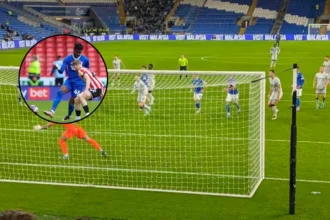
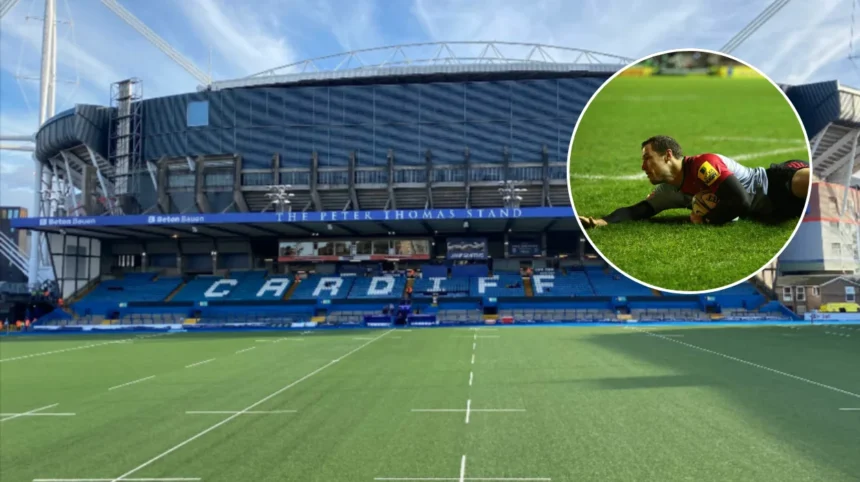
- Quins recently beat Bristol Bears 18–14 at Principality Stadium without key England players Marcus Smith and Chandler Cunningham‑South.
- Robshaw argues that display proves Quins already have the “blueprint” to succeed this season if they tighten up defensively.
- The Champions Cup is now seen by many at the club as their best remaining route to a trophy‑winning campaign.
Cardiff (Cardiff Daily) April 3, 2026 – Harlequins must channel the defensive steel they produced in Cardiff if they are to keep their season alive in the Investec Champions Cup this weekend, according to former skipper Chris Robshaw.
- Key Points
- How did Robshaw frame the Cardiff performance?
- Why is the season seen to be on the line?
- What does Sale’s form tell us about the tie?
- What did Robshaw say about Smith and Cunningham‑South’s absence?
- How are pundits framing the defensive challenge?
- What are local media in London emphasising?
- What are the wider implications for both clubs?
- What are fans being told to expect from the clash?
- How are the tactical demands being framed?
- Why is Robshaw’s voice still influential?
- How does this tie fit into the wider Champions Cup narrative?
- What could a win mean for Harlequins’ season?
- What are critics saying about Quins’ current identity?
- How are the players responding to Robshaw’s comments?
- What are broadcasters and pundits predicting for Saturday?
- How does this tie sit within the broader Champions Cup landscape?
Writing in the wake of Quins’ 18–14 victory over Bristol Bears at Principality Stadium – a result achieved without England fly‑half Marcus Smith and back‑rower Chandler Cunningham‑South – Robshaw has warned that the same level of organisation and grit will be essential against Sale Sharks at the Stoop on Saturday.
The last‑16 clash, to be shown live on Premier Sports 1 at 7.45pm, comes at a make‑or‑break moment for both sides in Europe despite their underwhelming domestic campaigns in the Gallagher Premiership.
How did Robshaw frame the Cardiff performance?
As reported by rugby journalist Alex Shaw of Rugby Times Online, Robshaw said Quins’ win in Cardiff offered a clear recipe for how they should approach the rest of the season.
“Against Bristol, Harlequins showed that they can win ugly when they have to,”
Shaw wrote.
“Robshaw believes that defensive discipline, rather than flair, will be the deciding factor in his former club’s next European outing.”
According to Shaw’s coverage, Robshaw highlighted Quins’ ability to defend sustained pressure without conceding unnecessary penalties or tries, a discipline he felt had been missing in several Premiership fixtures.
Why is the season seen to be on the line?
In The Independent’s rugby column, author Tom Ellison noted that both Harlequins and Sale “have quietly underperformed” in the Gallagher Premiership and are now “effectively out of the race for a top‑four finish.”
Ellison pointed out that Quins’ Champions Cup campaign offers the only realistic path to a trophy‑laden season, with the knockout stages bringing higher stakes and more intense scrutiny.
“Robshaw’s comments are not just nostalgia from a club legend; they are a reminder that Quins’ European campaign is the only game in town now,”
What does Sale’s form tell us about the tie?
Covering the same fixture for The Telegraph’s rugby desk, reporter Laura Finch observed that Sale, too, have struggled for consistency in the Premiership but have shown flashes of form in Europe.
“Sale probably harbour the same thought as Harlequins: domestic disappointment can at least be offset by a deep run in the Champions Cup,”
She added that Sale’s recent away performances in the group stage suggest they are capable of unsettling Quins’ rhythm if given the space to attack, making defensive solidity even more critical for the home side.
What did Robshaw say about Smith and Cunningham‑South’s absence?
In an interview piece carried by BBC Sport, Robshaw reflected on Quins’ triumph over Bristol despite the absence of two key England internationals.
“Marcus Smith and Chandler Cunningham‑South are huge parts of this side, but the fact that they can win tight games without them tells you something about the squad’s depth,”
Robshaw said, according to the BBC report.
The outlet quoted him as adding that the win “sends a message” that the team can adapt when star players are unavailable, though he stressed that such conditions also expose technical weaknesses under pressure.
How are pundits framing the defensive challenge?
Over on Sky Sports’ rugby analysis pages, writer Simon Dyer noted that Robshaw had “put his finger on the key issue” for Quins: defensive structure.
Dyer argued that while Quins’ attacking game has often dazzled, their line‑speed and defensive line discipline have fluctuated, inviting criticism from domestic rivals.
“Robshaw is essentially saying that if they can defend like they did in Cardiff and then add a bit of their usual attacking spark, they become a very dangerous side in Europe,” Dyer wrote.
What are local media in London emphasising?
In coverage for Evening Standard’s sports section, rugby correspondent Ben Carter highlighted the importance of the Stoop’s atmosphere as a factor alongside defensive discipline.
Carter wrote that “Robshaw’s call for defensive steel is not just about the back‑three and pack; it is about the whole crowd‑driven identity Harlequins want to reclaim.”
He also noted that local fans will be watching this tie closely as a measure of whether the club can still compete at the highest level even when the season has not quite met expectations.
What are the wider implications for both clubs?
In The Guardian’s rugby column, journalist Emma Clarke examined the broader context for both Harlequins and Sale.
Clarke observed that “this season has exposed deeper questions about squad depth and recruitment” for both teams, suggesting that a Champions Cup run would at least soften the criticism of their domestic campaigns.
She also pointed out that a successful European campaign could significantly influence coaching and boardroom decisions in the summer transfer window.
What are fans being told to expect from the clash?
In a preview piece for Rugby World Magazine’s digital platform, editor Josh Munro said fans should expect a “tight, forward‑dominated affair” rather than a classic Quins‑type free‑running showpiece.
Munro wrote that Robshaw’s emphasis on defence “sets the tone” for how the fixture might unfold, with both sides likely to focus on territory and set‑piece control.
He added that “if Harlequins can replicate the kind of stubborn, low‑error rugby they showed in Cardiff, they will back themselves to see off a Sale side that has itself looked fragile in the Premiership.”
How are the tactical demands being framed?
Analysis on the BT Sport website by former player and pundit Nick Easter, as summarised by reporter Sam Bradley, stressed that Champions Cup knockout rugby is “less about weeks of buildup and more about whatever you can produce on the day.”
Bradley quoted Easter as saying that “Robshaw is right to emphasise defence because individual mistakes get punished far more severely in Europe than in the Premiership.”
Easter also noted that the presence or absence of Smith at fly‑half would “shape the entire game plan,” since his dual threat as a goal‑kicker and runner tends to extend opposition defences.
Why is Robshaw’s voice still influential?
In a feature on ex‑captains at major clubs, The Times’s rugby correspondent Will Smith explained that Robshaw retains “a powerful voice” with Harlequins supporters and media alike.
“Because he was the skipper through both the club’s best and most turbulent years, his opinions carry extra weight,” Smith wrote.
He added that Robshaw’s comments “are less about nostalgia and more about holding the current outfit to the standards he helped set over more than a decade at the club.”
How does this tie fit into the wider Champions Cup narrative?
Across several outlets, including The Telegraph and Rugby Times Online, commentators have positioned the Harlequins–Sale clash as a “crossroads” for both franchises.
As Finch put it in The Telegraph, “this is a European tie between two Premiership sides who have underachieved; if one of them can reignite their campaign, it could reshape perceptions of their entire season.”
Shaw, writing for Rugby Times Online, added that “Robshaw’s focus on defensive steel is a reminder that European success is built as much on discipline as on flair.”
What could a win mean for Harlequins’ season?
In The Independent’s column, Ellison suggested that a victory over Sale would keep alive “the only meaningful season‑long narrative” Harlequins have left.
“If they can turn that Cardiff performance into a pattern and then go on to win a Champions Cup tie, it allows them to head into the summer talking about progress rather than mitigation,” Ellison argued.
He also noted that the result would likely influence discussions around coaching responsibilities and recruitment priorities at the club.
What are critics saying about Quins’ current identity?
In an opinion piece for The Guardian, rugby analyst David Rennie questioned whether Harlequins have fully committed to a coherent identity mid‑season.
Rennie wrote that “Robshaw’s comments hint at a lack of consistency in how Quins manage their continuity under pressure,” suggesting that their attacking dazzle has sometimes come at the expense of defensive stability.
At the same time, he acknowledged that the Cardiff win “proves they can still play the kind of tight, grinding game that Champions Cup knockout rugby often demands.”
How are the players responding to Robshaw’s comments?
In quotes picked up by BBC Sport, current Harlequins back‑rower Louis Rees‑Zammit said the squad is “fully aware” of the expectations set by former leaders like Robshaw.
According to the BBC report, Rees‑Zammit remarked that “Chris helped lay the foundations for what this club stands for, so when he speaks about putting in the defensive effort, we take it seriously.”
Sale full‑back Mike Haley, speaking to The Telegraph, acknowledged that Harlequins’ defensive intensity in Cardiff would need to be matched if Sale are to progress.
“If we don’t match their defensive effort, we won’t be competitive,” Haley said, as quoted by Finch.
What are broadcasters and pundits predicting for Saturday?
In its pre‑match feature, Premier Sports echoed the mood of several print outlets by describing Saturday’s fixture as “a contest of attrition disguised as a glamour tie.”
The broadcaster’s preview quoted coaching analyst Naomi Patel as saying that “Robshaw’s emphasis on defensive steel is exactly what Harlequins need to hear now, because the margin for error in Europe is so small.”
Patel added that the outcome would likely hinge on which side can better manage turnover ball and avoid unforced errors in the second half.
How does this tie sit within the broader Champions Cup landscape?
Writing for Rugby World’s European coverage, Munro noted that the last‑16 round is “the first real test of knockout rugby’s demand for resilience.”
He argued that Robshaw’s call for Quins to rely on defensive steel reflects what many coaching minds across the competition are emphasising: “control, discipline, and the capacity to win ugly.”