Key Points
- Police have updated the public on the investigation into alleged threats targeting three Cardiff secondary schools between March 15 and March 18, 2026.
- Llanishen High School and Eastern High School closed for two days due to the threats.
- Three individuals from Birmingham arrested earlier this week: a 44-year-old woman, a 47-year-old man, and a 12-year-old boy.
- All three arrested on suspicion of bomb hoax.
- The suspects have been released on police bail as investigations continue.
- Threats described as “anonymous online threats” first made via South Wales Police’s online chat function on Sunday, March 15.
- No further details released on the content of the threats or additional schools involved beyond the three mentioned.
- Schools affected: Llanishen High School, Eastern High School, and one unnamed third school.
Cardiff (Cardiff Daily) April 6, 2026 – South Wales Police have issued a significant update on their ongoing investigation into a series of alleged threats that prompted the closure of two prominent Cardiff secondary schools last month, confirming the arrest and subsequent release on bail of three individuals from Birmingham.
- Key Points
- What Triggered the School Closures in Cardiff?
- Who Were the Arrested Individuals and What Charges Do They Face?
- Why Birmingham? Initial Police Comments on the Link
- What Is the Current Status of the Suspects?
- How Did the Threats Unfold Over Those Critical Days?
- What Has Been the Community and Official Response?
- Impact on Pupils and Staff at Llanishen and Eastern High?
- What Challenges Do Police Face in This Investigation?
- Broader Context: Rising School Threats in Wales and UK?
- What Happens Next in the Investigation?
What Triggered the School Closures in Cardiff?
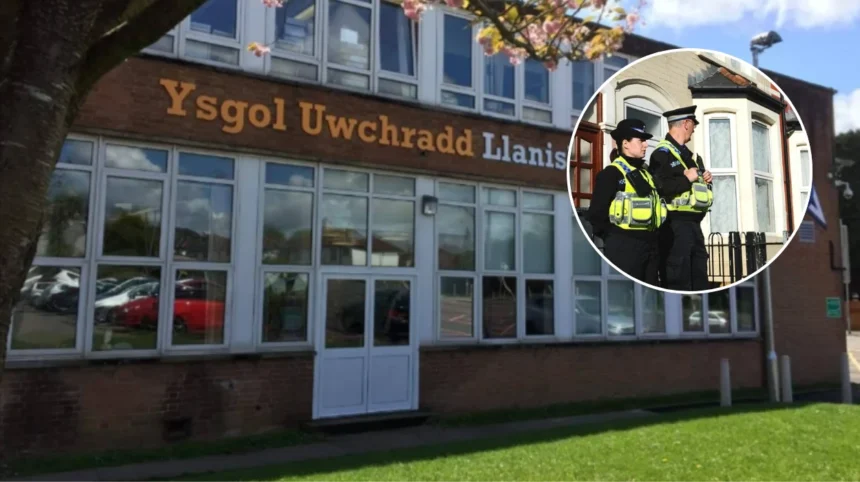
The incident unfolded between March 15 and March 18, when anonymous online threats were directed at three Cardiff schools. As detailed in the initial police statement covered extensively by WalesOnline, Llanishen High School and Eastern High School were forced to shut down for two full days as a precautionary measure. This closure disrupted education for hundreds of pupils and highlighted growing concerns over online safety in educational settings.
Llanishen High School, located in the northern suburbs of Cardiff, and Eastern High School in the eastern part of the city, both took immediate action upon receiving the threats. Parents were notified promptly, and pupils were sent home or advised to learn remotely. The third school involved has not been publicly named in reports, but police confirmed threats were sent to it as well. According to a spokesperson for South Wales Police, as reported by WalesOnline journalist Conor Gogarty, the threats were initially received via the force’s online chat function on Sunday, March 15.
“The anonymous online threats are alleged to have first been made to the two schools via the police’s online chat function,”
the spokesperson stated.
This rapid response from the schools and authorities underscores the seriousness with which such hoaxes are treated, especially in the wake of national trends showing a rise in school-related threats across the UK.
Who Were the Arrested Individuals and What Charges Do They Face?
Earlier this week, South Wales Police announced the arrest of three people from Birmingham in connection with the threats. As reported by WalesOnline on Tuesday, April 4, 2026, the suspects include two adults—a 44-year-old woman and a 47-year-old man—and a 12-year-old boy, all hailing from the West Midlands city.
The force specified that all three were arrested on suspicion of bomb hoax, a serious offence under UK law that carries potential penalties of up to seven years in prison.
“Two adults, a 44-year-old woman and a 47-year-old man, and one 12-year-old boy, all from Birmingham, were arrested on suspicion of bomb hoax,”
confirmed a police spokesperson in the official statement covered by multiple outlets, including BBC News Wales.
Why Birmingham? Initial Police Comments on the Link
The connection to Birmingham has raised questions about the motive behind targeting Cardiff schools specifically. South Wales Police have not yet disclosed any confirmed links between the suspects and the schools, but the arrests followed a swift cross-border operation. As noted by BBC reporter Lauren Phillips in her coverage for BBC News Wales, the investigation involved collaboration with West Midlands Police, though no further details on that partnership were provided at this stage.
What Is the Current Status of the Suspects?
In the latest development, a police spokesperson has confirmed that all three individuals have been released on police bail while enquiries continue. This update, shared on April 6, 2026, provides some reassurance to the Cardiff community but leaves many questions unanswered.
“All three have been released on police bail while investigations continue,”
the spokesperson told WalesOnline directly.
Releasing suspects on bail is standard procedure in the UK, allowing police additional time—up to 28 days initially—to gather evidence without holding individuals in custody. This move suggests that while there is sufficient suspicion to warrant arrests, prosecutors may need more to proceed to charges.
How Did the Threats Unfold Over Those Critical Days?
Timeline reconstruction from police disclosures paints a clear picture of escalation. The threats began on Sunday, March 15, via the South Wales Police online chat—a digital tool designed for non-emergency reporting. As reported by WalesOnline, the messages were deemed credible enough to trigger immediate school alerts.
By Monday, March 16, Llanishen High School and Eastern High School had closed, with headteachers communicating directly with parents. “A number of alleged threats were sent to three Cardiff schools,” police clarified, emphasising the volume and persistence. The closures extended into Tuesday, March 17, before schools reopened on March 18 following all-clear assessments. No explosive devices were found, aligning with the hoax classification.
Journalist Conor Gogarty of WalesOnline, who has followed the story closely, quoted school sources indicating minimal disruption after reopening, though emotional impacts on staff and students lingered.
What Has Been the Community and Official Response?
Cardiff City Council and education authorities issued statements supporting the police actions. Cllr. Sarah Merry, Cabinet Member for Education at Cardiff Council, said in a WalesOnline interview: “The safety of our pupils and staff is our top priority, and we commend South Wales Police for their swift response.” Parents expressed relief online, with social media posts highlighting fears over rising hoax incidents post-pandemic.
Nationally, this case echoes similar threats in other UK regions, such as Manchester and Bristol last year. The National Education Union (NEU) Wales branch called for enhanced online moderation tools for police reporting systems.
“These hoaxes cause unnecessary panic and divert resources,”
stated NEU official Gareth Jones, as covered by BBC News Wales.
Impact on Pupils and Staff at Llanishen and Eastern High?
Interviews with affected families reveal anxiety. Parent Emma Davies told WalesOnline: “It was terrifying receiving that call on a Sunday evening—my daughter was distraught.” School leaders at Llanishen High praised the “robust protocols” in place, while Eastern High’s principal noted counselling support was offered. Attendance returned to normal by week’s end, per council data.
What Challenges Do Police Face in This Investigation?
South Wales Police face hurdles typical of online crime: anonymity tools, encrypted platforms, and cross-jurisdictional issues. The online chat origin points to sophisticated evasion attempts. Detective Chief Inspector Amanda Davies, leading the probe, told reporters:
“We are working tirelessly to establish the full facts,”
as quoted in the force’s April 6 press release via WalesOnline.
Digital forensics will be key, potentially involving IP tracing and device seizures from Birmingham. The involvement of a child suspect adds complexity, with youth justice protocols applying.
Broader Context: Rising School Threats in Wales and UK?
This incident fits a worrying pattern. Home Office figures show a 20% uptick in bomb hoaxes since 2023, often linked to social media dares or grudges. In Wales, similar closures hit schools in Swansea last autumn. As reported by ITV Wales journalist Rory MacLean, experts link it to copycat behaviours amplified online.
South Wales Police urge vigilance: “Report suspicious activity immediately,” their spokesperson advised.
What Happens Next in the Investigation?
Police have promised further updates but withheld specifics to avoid prejudicing proceedings. Bail conditions likely include no-contact orders and travel restrictions. If charged, cases could go to Cardiff Crown Court.
Communities await closure, hoping this deters future hoaxes. For now, Cardiff’s schools resume normal operations, but the shadow of March lingers.