Key Points
- Kervin Julien, a DJ from Cardiff, was convicted of breaching a noise abatement notice due to loud music complaints from neighbours in Grangetown.
- Cardiff Council sought permanent confiscation of his soundsystem at Cardiff Magistrates’ Court.
- Magistrates declined the council’s request despite the conviction, allowing Julien to retain his equipment.
- An abatement notice was issued last August after multiple complaints about noise “at all hours” from his Ferry Road flat.
- Julien once appeared on Channel 4’s Secret Millionaire.
- Prosecutor Mark Roberts noted warning letters sent to Julien failed to resolve the issue.
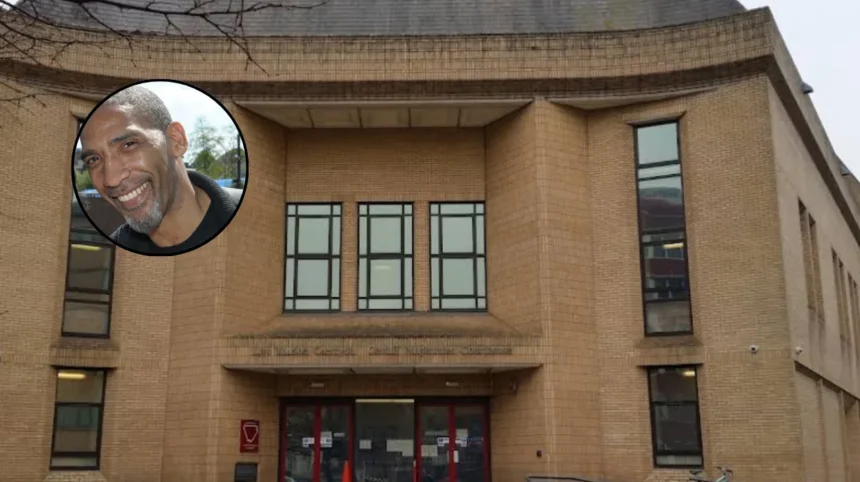
Cardiff Magistrates’ Court (Cardiff Daily) April 18, 2026 – Kervin Julien, a DJ residing on Ferry Road in Grangetown, Cardiff, successfully defended his soundsystem in court despite being convicted of repeatedly playing excessively loud music that disturbed neighbours.
- Key Points
- What Happened in Kervin Julien’s Court Case Against Cardiff Council?
- Why Did Neighbours Complain About Kervin Julien’s Loud Music?
- How Did Kervin Julien Defend Himself in Court?
- What Did the Magistrates Decide in the Noise Dispute Case?
- Why Did Cardiff Council Seek to Confiscate the DJ’s Soundsystem?
- Who Is Kervin Julien, the Cardiff DJ in the Noise Case?
- What Are the Legal Powers of Councils in Noise Abatement Cases?
- How Does This Case Compare to Other Cardiff Noise Disputes?
- Background of the Development
- Prediction: How This Development Can Affect Grangetown Residents
The council’s attempt to permanently seize Julien’s equipment was rejected by magistrates, marking a partial victory for the defendant in a case stemming from ongoing noise disputes.
What Happened in Kervin Julien’s Court Case Against Cardiff Council?
As reported by WalesOnline, the proceedings at Cardiff Magistrates’ Court detailed how Julien faced charges for breaching a noise abatement notice issued last August.
Neighbours had lodged numerous complaints about “unacceptable” noise from his flat at all hours, prompting council intervention.
Prosecutor Mark Roberts of Cardiff Council stated that several warning letters were sent to Julien, but these did not lead to any improvement in the situation. This resulted in the formal abatement notice under environmental protection laws.
Julien was found guilty of the breach, confirming the validity of the neighbours’ grievances over the loud music. However, when the council pushed for the permanent removal of his DJ equipment, the magistrates ruled against this measure.
Why Did Neighbours Complain About Kervin Julien’s Loud Music?
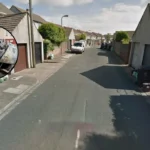
The complaints centred on noise emanating from Julien’s apartment on Ferry Road in Grangetown, described as excessive and occurring “at all hours”.
As detailed in the WalesOnline coverage, residents reported being infuriated by the disturbances, which persisted despite initial warnings.
Cardiff Council’s environmental health team deemed the noise “unacceptable,” leading to the abatement notice in August 2025. Prosecutor Mark Roberts highlighted that the repeated violations justified their application to confiscate the soundsystem.
Julien’s history as a DJ likely contributed to the volume levels, though the court focused on the specific breaches rather than his profession.
How Did Kervin Julien Defend Himself in Court?
During the hearing, Julien delivered an emotional speech that appears to have swayed the magistrates [query context].
As noted in social media summaries from CardiffNewsOnline on Facebook, this address secured his victory against the confiscation order.
The exact content of Julien’s speech was not fully detailed in available reports, but it was pivotal in preventing the permanent loss of his equipment.
Despite the conviction, the court opted not to impose the council’s requested penalty.
Julien’s prior public profile, including an appearance on Channel 4’s Secret Millionaire, was mentioned but did not factor directly into the ruling.
What Did the Magistrates Decide in the Noise Dispute Case?
Magistrates at Cardiff Magistrates’ Court convicted Julien of breaching the noise abatement notice but refused Cardiff Council’s application for permanent equipment seizure. This decision allowed Julien to keep his soundsystem, subject to compliance with the notice.
The ruling balanced the neighbours’ right to quiet enjoyment with proportionality in enforcement. Prosecutor Mark Roberts had argued for confiscation due to repeated offences, but the bench disagreed on that point.
Why Did Cardiff Council Seek to Confiscate the DJ’s Soundsystem?
Cardiff Council acted after multiple failed warnings and the formal abatement notice. Mark Roberts, representing the council, informed the court that the noise persisted, impacting residents’ quality of life.
The authority invoked powers under the Environmental Protection Act to seek permanent removal of the equipment as a deterrent against future breaches. This followed standard procedure for ongoing noise nuisances.
Who Is Kervin Julien, the Cardiff DJ in the Noise Case?
Kervin Julien is a Cardiff-based DJ whose flat on Ferry Road became the focus of the dispute. He once featured on Channel 4’s Secret Millionaire, highlighting a backstory of community involvement.
Separate reports note Julien’s activism, including a passionate speech at a rally outside Cardiff Crown Court on miscarriage of justice issues. He supported campaigns related to wrongful convictions in cases like the Lynette White murder.
In the noise case, his DJ profession was central, as the soundsystem was key to both his work and the complaints.
What Are the Legal Powers of Councils in Noise Abatement Cases?
Under the Environmental Protection Act 1990, councils can issue abatement notices for statutory nuisances like excessive noise. Breaches lead to prosecution, with potential penalties including equipment seizure.
A High Court case involving Enfield Council upheld a similar notice despite wording issues, affirming councils’ authority if requirements are reasonable. Mr Justice Dexter Dias noted that “unnecessary” phrasing did not invalidate core demands.
In Julien’s case, the magistrates exercised discretion post-conviction.
How Does This Case Compare to Other Cardiff Noise Disputes?
Cardiff has seen multiple noise complaints, such as 48 related to park gigs in Hailey Park, where events complied with licences despite grievances. A separate Hailey Park case awarded a resident £1,000+ in compensation after council failings.
The Ombudsman directed £300 initial payment plus £75 weekly until resolved. Julien’s outcome differs, as he retained equipment despite guilt.
Background of the Development
The development stems from Cardiff Council’s enforcement of noise regulations under the Environmental Protection Act 1990, following complaints logged since at least August 2025.
Grangetown’s Ferry Road flat became a focal point after repeated reports of disturbances, leading to warnings, an abatement notice, prosecution, and the failed confiscation bid. Julien’s DJ activities and prior television appearance provide context to his profile, while council actions align with broader efforts to manage urban noise nuisances in densely populated areas like Grangetown.
Prediction: How This Development Can Affect Grangetown Residents
This development can affect Grangetown residents by potentially prolonging noise issues if Julien continues using the soundsystem without full compliance, leading to further complaints and enforcement actions. Residents may face ongoing disturbances, prompting them to pursue private nuisance claims or push for stricter council monitoring. Conversely, the ruling could encourage councils to refine abatement applications for higher success rates in future cases, impacting how similar disputes are handled for local households seeking quiet.