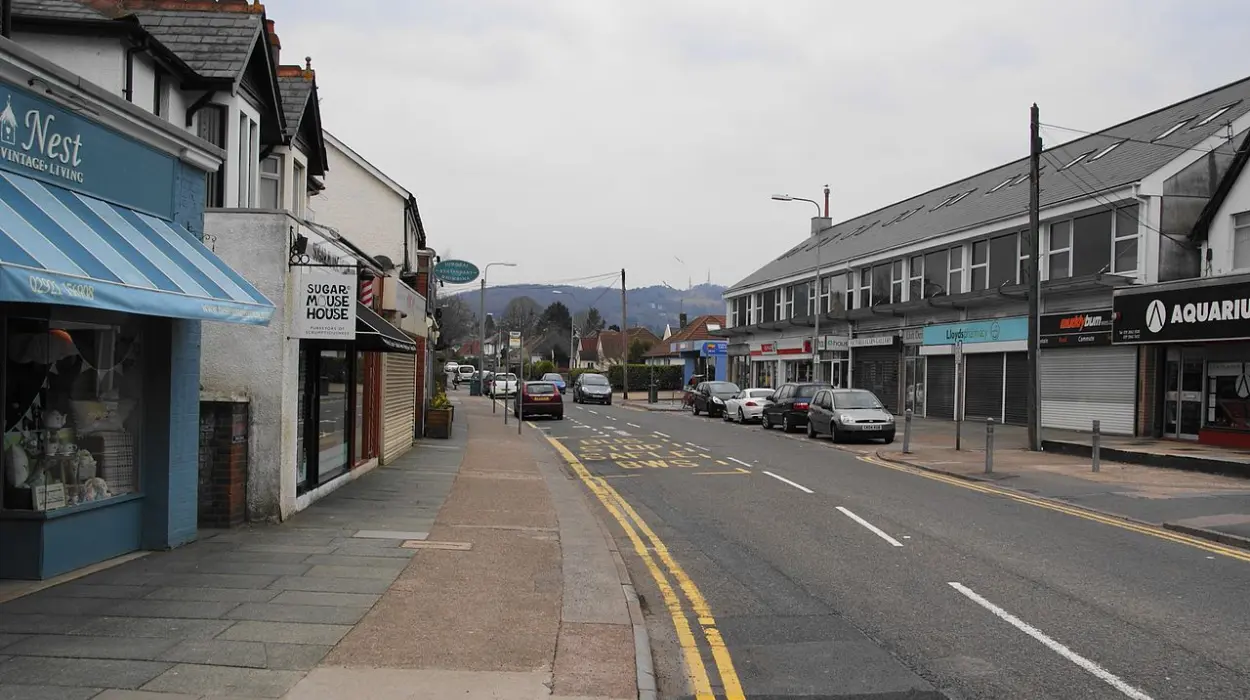
Cardiff serves as the capital city of Wales, United Kingdom, with a population exceeding 360,000 residents as of 2026. The city’s housing market features average property prices at £268,000 and average monthly rents at £1,154, driven by strong demand from professionals, students, and families.
- What are the current costs of renting a home in Cardiff?
- What are the current costs of buying a home in Cardiff?
- What are the financial pros and cons of renting versus buying in Cardiff?
- How do mortgage rates and interest rates affect the rent vs buy decision in Cardiff?
- What government schemes help first-time buyers in Cardiff?
- What are the tax implications of renting versus buying a home in Cardiff?
- In what situations is renting better than buying in Cardiff?
- In what situations is buying better than renting in Cardiff?
- What is the break-even point for renting versus buying in Cardiff?
- What do property price forecasts say for Cardiff?
- Which areas in Cardiff are best for renting?
- Which areas in Cardiff are best for buying?
- What lifestyle factors decide rent vs buy in Cardiff?
What are the current costs of renting a home in Cardiff?
Renting costs in Cardiff average £1,154 per month for private properties as of February 2026, with one-bedroom flats at £900 and two-bedroom units at £1,200. Annual costs reach £13,848 for singles excluding other expenses, offering flexibility without upfront deposits beyond one month’s rent.
Renting involves paying a landlord for occupancy rights under an Assured Shorthold Tenancy, the standard UK private rental agreement lasting 6 to 12 months. Cardiff’s rental market shows a 5.6% year-on-year increase from 2025, fueled by population growth and university demand.
Key components include base rent, tenant fees capped at £50 under Welsh law since December 2022, and deposits limited to five weeks’ rent for annual rents under £50,000. Processes require credit checks, references, and inventory reports at move-in.
Real-world examples feature Roath terraces at £1,000 monthly for two beds and Cardiff Bay modern flats at £1,500, attracting young professionals. Statistics indicate 3,900 properties available in May 2026, with median time on market at 97 days.
Implications involve no equity buildup but lower maintenance responsibility, as landlords handle repairs under Section 11 of the Landlord and Tenant Act 1985. Future relevance grows with Renters (Reform) Bill updates expected in 2026, enhancing tenant protections.

What are the current costs of buying a home in Cardiff?
Buying costs average £268,000 for homes in Cardiff as of January 2026, with monthly mortgage payments around £1,200 at 5% rates on 90% loan-to-value for first-time buyers. Upfront expenses add 5-10% including stamp duty and legal fees.
Buying establishes freehold or leasehold ownership, where freehold grants perpetual rights and leasehold limits to 99-999 years. Cardiff prices rose 1% from January 2025, with detached homes at £512,000 and flats at £160,000.
Structure demands a 5-20% deposit, Land Transaction Tax (LTT) starting at 0% up to £225,000 for residents since 2025 rates, and conveyancing fees of £1,200-£2,000. Mortgage approval processes assess affordability via stress tests at 3% above offered rates.
Examples include Canton terraced homes at £258,000 and Cyncoed semi-detached at £318,000, popular in North Cardiff. Data shows 20,970 sales in 2025-2026, median £220,000.
Implications feature equity growth at 2% annually projected for 2026-2027, but risks like 2% council tax surcharges on homes over £2 million from 2028.
What are the financial pros and cons of renting versus buying in Cardiff?
Renting saves upfront costs and provides flexibility, with monthly outlays 20-30% below mortgage equivalents initially, but offers no equity. Buying builds wealth through appreciation at 1-2% yearly but requires 10%+ deposits and maintenance averaging £1,000 annually.
Macro context contrasts renting’s liquidity with buying’s long-term investment. Renting pros include no repair bills, as landlords cover structural issues, and easy exits with two months’ notice.
Buying cons encompass stamp duty at 6% above £180,000 for non-first buyers and higher insurance at £300 yearly versus renters’ £150. Renting cons feature 5.6% annual hikes eroding savings, while buying locks payments via fixed-rate mortgages at 4.97-5.76% for 2026.
Details reveal renting suits short stays under five years; buying excels beyond via equity. Implications show renters lose £13,848 yearly to landlords, buyers gain £5,360 average appreciation on £268,000 homes.
How do mortgage rates and interest rates affect the rent vs buy decision in Cardiff?
Current UK mortgage rates average 5.03% for 85% loan-to-value two-year fixes as of May 2026, raising Cardiff monthly payments to £1,591 on £268,000 homes. Lower rates favor buying; rises above 6% tip toward renting short-term.
Mortgages represent loans secured against property, repayable over 25-35 years. Bank of England base rate cuts to 3.75% in December 2025 lowered fixes from 5.88% peaks.
Mechanisms include loan-to-value ratios: 95% at 5.76% for first buyers, dropping to 4.79% at 60%. Processes involve broker assessments and lender offers valid 6 months.
Examples: £240,000 loan at 5% yields £1,257 monthly principal and interest. Stats project stability into 2027 with 0.5% cuts possible.
Implications shift breakeven: rates under 5% make buying viable in 7 years; over 6% delays to 10+ years amid Cardiff’s 1.1% growth.
What government schemes help first-time buyers in Cardiff?
First Homes Cardiff offers 30-50% equity discounts on new builds for incomes under £80,000, reducing purchase prices by £50,000-£100,000. Eligibility requires Cardiff residency, first-buyer status, and 5% deposits.
Schemes stem from Welsh Government initiatives post-2021 Senedd commitments. Assisted Home Ownership provides shared equity, where councils retain 25-50% stake resold at market value later.
Key components: Help to Buy Wales ended 2022; replacements like First Homes target under-40s. Processes demand proof of £60,000 household income max and priority for key workers.
Examples include developments in North Cardiff with £200,000 discounted semis. Data shows 500 units released yearly.
Implications lower barriers amid 10% deposit averages (£26,800), boosting ownership to 65% of households.
What are the tax implications of renting versus buying a home in Cardiff?
Renters pay no direct taxes on occupancy; buyers face Land Transaction Tax from £225,001 at 6% and annual council tax averaging £1,800 banded D. Second homes incur 3% LTT surcharge.
Land Transaction Tax replaced Stamp Duty in Wales since 2018, with thresholds raised to £225,000 in 2025 budget. Renting avoids capital gains tax, absent for tenants.
Buying mechanisms include mortgage interest relief nil since 2020, but first buyers exempt LTT to £225,000. Council tax bands A-J scale by April 1991 values, Cardiff averages £2,000 for E bands.
Examples: £268,000 purchase incurs £2,400 LTT; £1.5 million home adds £2,500 surcharge from 2028.
Implications favor renting for mobility, buying for deductions on buy-to-let at 22% basic rate from 2027.
In what situations is renting better than buying in Cardiff?
Renting excels for stays under 5-7 years, high mobility needs, or deposit shortages under £25,000, saving £20,000 upfront versus buying amid 199-day sales cycles.
Macro factors include Cardiff’s student population at 40,000 and professional inflows. Subtopics cover job uncertainty in finance sectors.
Details: No equity risk during 1.1% market dips; maintenance-free living. Examples: Graduates in Grangetown sharers at £800/head monthly.
Implications preserve savings at 4% returns versus 2% appreciation net fees.
In what situations is buying better than renting in Cardiff?
Buying outperforms for 7+ year horizons, stable incomes over £38,000, and family needs, yielding £10,000+ equity yearly via 2% growth and £300 monthly principal paydown.
Stable market with 10% viewing rises supports commitment. Processes build stability in areas like Rhiwbina.
Details: Fixed costs hedge 5.6% rents; inheritance tax exemptions post-ownership. Examples: Families in Lisvane semis gaining £6,000 value 2026.
Implications secure retirement, 70% owner-occupiers in North Cardiff.
What is the break-even point for renting versus buying in Cardiff?
Break-even occurs at 6-8 years in Cardiff, where cumulative rent of £83,000 equals buying costs minus £20,000 equity on £268,000 home at 1% growth and 5% mortgage.
Calculations factor upfront £15,000 buy costs, £1,154 rents, £1,400 payments. Mechanisms discount future cash flows at 4% opportunity cost.
Examples: 95% LTV buyer breaks even year 7 with £15,000 appreciation. Stats assume 2% rents, 1% prices 2026-2027.
Implications: Short-term rent; long-term buy in stable Cardiff.
What do property price forecasts say for Cardiff?
Cardiff prices forecast 2-3% growth in 2026-2027 to £275,000 median, driven by Central Square developments and 1.1% town rises in Canton, Bay, Centre.
Historical context: 2% rise April 2025-March 2026 from £253,000 average. Drivers include population expansion to 370,000 by 2027.
Details: New builds at £397,000 outperform established £251,000. Examples: Dumballs Road mixed-use boosts Bay values 3%.
Implications favor buying now for £5,000-£8,000 gains.
Which areas in Cardiff are best for renting?
Top rental areas include Roath (7% yields, £1,000 two-beds), Cardiff Bay (£1,500 professionals), Grangetown (value sharers), Heath/Llanishen (family long-lets). City Centre averages £1,232.
Demand stems from universities and M4 links. Examples: Albany Road Victorian flats; Bay secure apartments.
Implications: Yields 6-8% beat national 5%.
Which areas in Cardiff are best for buying?
Prime buy areas feature North Cardiff (Heath, Rhiwbina £300k-£700k), Cyncoed semis £318,000, Lisvane detached £512,000 for growth and schools.
Factors: 10% enquiry rises, low turnover. Examples: Canton +1.1% momentum.
Implications: Sustainable 2% rises.
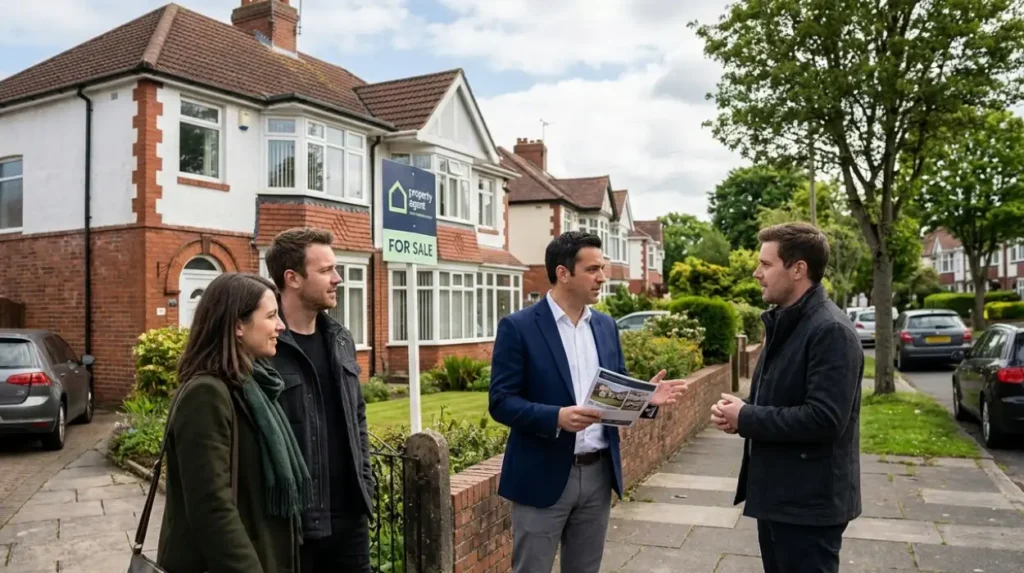
What lifestyle factors decide rent vs buy in Cardiff?
Short-term workers, students rent for flexibility near Bay transport; families, retirees buy in suburbs for schools, stability in 65% ownership city.
Demographics: 25% under-30 rent. Implications match life stage to market.
How much does it cost to rent in Cardiff right now?
Average rent in Cardiff is around £1,154 per month in 2026. One-bedroom flats typically cost about £900 monthly, while two-bedroom properties average around £1,200.