Key Points
- A customer reported rat droppings and contaminated food after buying bread from Family Choice Minimarket in Ely, Cardiff.
- Council officers later found an active rat infestation, with droppings across the shop floor, on food shelves and in storage areas.
- Some food packaging had been damaged or gnawed by pests.
- The shop had already been dealing with rat issues since April 2024, but planned control measures were not carried out.
- Environmental health officers visited on 19 August 2024 and found clear signs of a rat infestation.
- The court heard that the business received a food hygiene rating of zero, indicating urgent improvement was needed.
- Jeyaratnam Pathmastri was fined £490, ordered to pay a £198 victim surcharge and £1,980 in costs.
- Choice TN Ltd was fined £1,600 and ordered to pay a £1,000 victim surcharge plus £2,000 in costs.
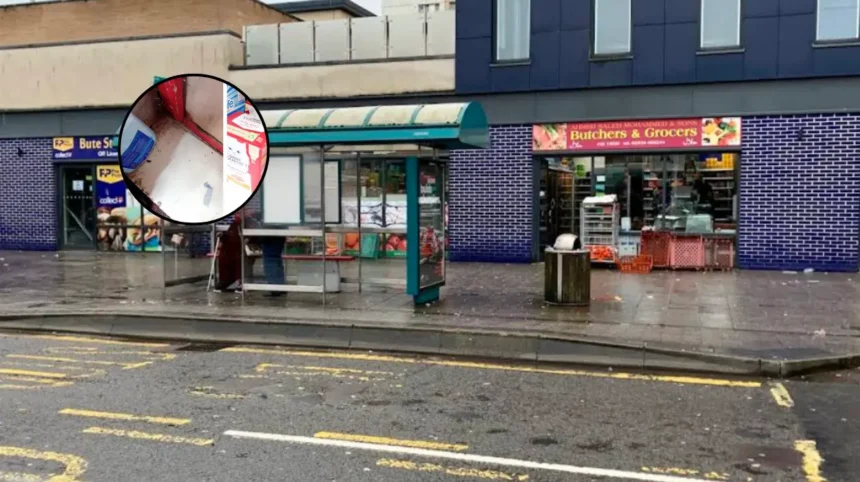
Cardiff (Cardiff Daily) May 19, 2026 – A Cardiff convenience store has been fined after a customer discovered damage to bread packaging later linked to an inspection that found an active rat infestation inside the premises. The case centred on Family Choice Minimarket in Ely, where environmental health officers reported rat droppings on the shop floor, on food shelves and in storage areas, alongside damaged food packaging.
What led to the council investigation?
As reported by WalesOnline, the issue came to light after a customer bought a loaf of bread from the shop and later noticed holes in the packaging.
That report prompted council action, with officers then attending the store and finding evidence of pest activity across several parts of the premises.
The inspection found that the problem was not isolated. The presence of droppings in both customer-facing and storage areas suggested the infestation had spread beyond a single point in the shop.
What did inspectors find inside?
According to WalesOnline, officers found clear signs of an active rat infestation during their visit on 19 August 2024.
The reported conditions included droppings across the shop floor, on food shelves and in storage spaces. Some packaging had also been gnawed or damaged, creating a direct food safety concern.
The court was told that the business had been dealing with rat problems since April 2024. Proposed steps to deal with the issue, including sealing openings and improving cleanliness, were not carried out in time. That failure formed part of the enforcement action that followed.
Who was prosecuted?
WalesOnline reported that Jeyaratnam Pathmastri was fined £490, with a £198 victim surcharge and £1,980 in costs. The company, Choice TN Ltd, was fined £1,600 and ordered to pay a £1,000 victim surcharge and £2,000 in costs.
The report also said the premises were assessed with a food hygiene rating of zero, which meant immediate improvements were required. In food business cases, that rating reflects severe shortcomings that can place consumers at risk.
What was the wider food safety concern?
The key concern in this case was not just the presence of rats, but the contamination risk linked to food items and packaging.
Rat droppings in food-handling areas, along with chewed packaging, are treated as serious hygiene breaches because they can undermine the safety of stock on sale.
WalesOnline reported that the council also described the premises as having unresolved pest issues before the inspection, which contributed to the decision to take enforcement action.
The case shows how a single customer complaint can uncover wider failings in routine pest control and stock protection.
How was the case handled after inspection?
After the inspection, the business undertook pest-proofing, disposed of damaged materials and carried out cleaning work, according to the report.
Further inspections by officers and pest control specialists were then carried out to confirm the infestation had been brought under control.
The shop was only allowed to reopen after officials were satisfied there was no longer a risk to health. That sequence reflects the standard public health approach in cases where food premises fail basic hygiene requirements.
Why does this case matter for customers?
For shoppers, the case underlines the importance of checking packaging, reporting visible damage and paying attention to hygiene standards in local food outlets. A damaged loaf of bread, in this case, became the trigger for a much wider inspection.
For businesses, it highlights the financial and reputational consequences of ignoring pest control problems. The fines, costs and hygiene findings in this case would likely affect trust among customers and regulators alike.
Background of this development
Food safety enforcement in the UK often begins with a complaint from a customer or a routine inspection by environmental health officers.
In this case, the initial report of damaged bread packaging led officers to identify a larger rat infestation and broader sanitation failings.
The report indicates that the infestation had been an ongoing issue for months before action was taken. That timeline is important because it suggests the problem was not sudden, but something that should have been addressed before it reached the point of prosecution.
What can this mean for customers and local shops?
For customers, the immediate effect is greater caution when buying packaged food from local convenience stores, particularly if packaging appears damaged. A single visible defect can indicate wider storage or pest-control problems behind the scenes.
For shop owners, this case is a reminder that routine cleaning, sealing entry points and acting quickly on pest sightings are essential parts of food retailing. If those steps are missed, the likely outcome is enforcement action, fines and closure orders where public health is at risk.