Key Points
- A New Concept for Cardiff: Kindred is an independent wine and bar-nibble establishment that has opened in Cardiff’s bustling city centre, offering an alternative to mainstream chain bars.
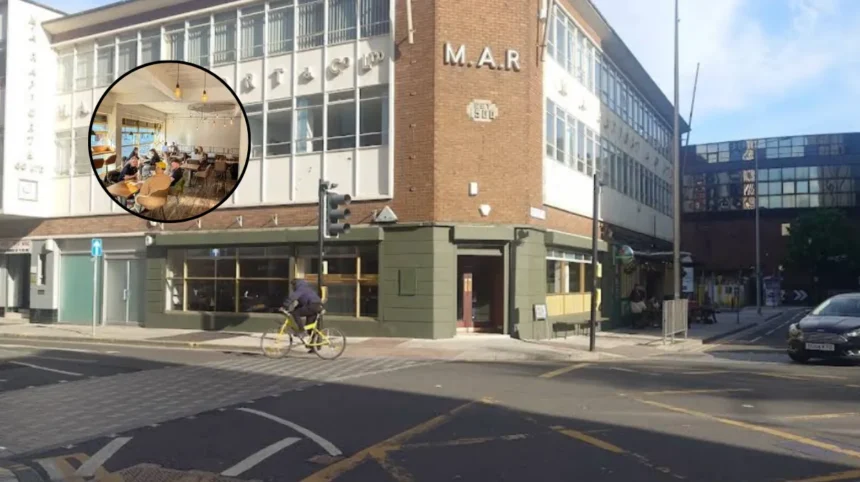
- Historic Location: The venue is situated inside Ivor House—a distinct example of mid-20th-century architecture—in a space previously occupied by Little Man Coffee.
- The Hidden Vault: The bar retains its original historic bank vault, which management plans to open for exclusive events in the coming months.
- Cultivating Local Sub-Culture: The establishment aims to cater to a demographic seeking curated wines and a low-key atmosphere, contrasting with the dominant sports and chain-bar culture of the area.
Cardiff (Cardiff Daily) May 30, 2026 – A new independent bar named Kindred has quietly transformed a prominent piece of Cardiff’s architectural history, stepping into the competitive city centre hospitality scene within a former bank building. Located in the historic Ivor House—a venue previously home to the independent staple Little Man Coffee—the bar is positioning itself as a low-key alternative to the sprawling chains, sports bars, and Irish-themed pubs that dominate the local nightlife landscape. In a bid to blend historical charm with modern hospitality, the venue’s operators have announced plans to open the building’s original subterranean bank vault for private public events in the coming months.
- Key Points
- What Is the Concept Behind Kindred’s Arrival in Cardiff’s Bar Scene?
- Where Is Kindred Located and What Is the History of Ivor House?
- How Will the Hidden Bank Vault Be Utilized for Future Events?
- Background of the Cardiff Hospitality Sector Development
- Predictions: How This Development Can Affect City Centre Consumers and Independent Businesses
- Economic Pressure and Inspiration for Local Operators
The emergence of Kindred comes at a transitional time for Cardiff’s city centre, where independent operators frequently face steep competition from large-scale hospitality groups. By focusing on a minimalist aesthetic, a curated wine selection, and sophisticated bar nibbles, the operators are intentionally targeting a niche demographic of patrons looking for an intimate, conversation-friendly environment.
The preservation of Ivor House’s structural features, particularly the vault, serves as the centerpiece of this strategy, leveraging the building’s mid-20th-century architectural heritage to create a distinct sense of place.
What Is the Concept Behind Kindred’s Arrival in Cardiff’s Bar Scene?
The city centre bar scene in Cardiff is remarkably varied, yet it is increasingly defined by large corporate chains featuring ubiquitous sports screens, extensive drinks deals, and Irish-themed formatting.
Against this backdrop, a handful of smaller, more independent venues are attempting to carve out spaces for patrons seeking a quieter, more curated experience.
Kindred has entered this market with a explicit focus on premium wines, structured bar snacks, and an unconventional, historically rooted location.
The design and operational philosophy of the venue lean heavily into its physical environment. Rather than stripping away the remnants of the building’s financial past, the owners have opted to integrate the structural quirks of the old bank into the bar’s identity.
This approach seeks to capture a growing demographic of consumers who prioritise heritage, intimacy, and product origin over high-volume discount drinking culture.
Where Is Kindred Located and What Is the History of Ivor House?
Kindred occupies a prime spot within Ivor House, a building recognized as a notable example of mid-20th-century architecture still standing in the heart of the Welsh capital.
The structure represents a specific era of urban planning and design, though it is now visually dwarfed by the modern high-rises, corporate office blocks, and expansive shopping complexes that have rapidly shot up around it over the last two decades.
Prior to Kindred taking over the lease, the space was well known to local residents as the home of Little Man Coffee, a popular independent café that served as a community hub for remote workers, artists, and coffee enthusiasts.
The transition from a daytime coffee house to a sophisticated evening wine bar marks a new chapter for Ivor House, ensuring that the building remains a stronghold for independent business amidst a sea of commercial development.
How Will the Hidden Bank Vault Be Utilized for Future Events?
The defining architectural feature of Kindred is its original, historic bank vault, a structural leftover from the building’s initial tenure as a financial institution.
Tucked away beneath the main seating areas, the vault has remained largely out of public view during the building’s previous commercial iterations.
Management has confirmed that architectural adjustments and safety preparations are underway to safely integrate this underground space into their weekly operations.
In the coming months, Kindred plans to officially open the vault doors to the public, utilising the secure, thick-walled room as an atmospheric backdrop for exclusive events, private tastings, and intimate gatherings.
The inclusion of the vault adds a distinct layer of “speakeasy” appeal to the venue, differentiating it from standardized modern builds in the city centre.
Background of the Cardiff Hospitality Sector Development
The opening of Kindred inside a historic financial building reflects a broader, multi-year shift within urban hospitality, often referred to as adaptive reuse.
Over the past decade, as traditional high-street banking has migrated rapidly to digital platforms, city centres across the United Kingdom, including Cardiff, have seen a massive surplus of vacant, structurally robust bank buildings.
These properties present unique opportunities for hospitality operators due to their grand ceilings, stone facades, and secure basement layouts.
In Cardiff specifically, the independent sector has had to adapt creatively to survive. The city’s nightlife has long been anchored by high-volume areas like St Mary Street and the Caroline Street precinct, which cater heavily to event-day crowds, university students, and weekend tourists. For independent businesses, competing directly on price or scale with multinational pub chains is rarely viable.
Consequently, operators have increasingly looked toward the outer edges of the city centre or historic architectural pockets to establish “destination venues.”
The evolution of Ivor House from a bank to a coffee shop, and now to a specialized wine bar, exemplifies how independent brands leverage local heritage to build consumer loyalty in an economy heavily impacted by rising inflation and changing post-pandemic socializing habits.
Explore More Local Cardiff News
Open to the public from May 29th to June 7th at Britannia Quay
WestJet launches first Toronto–Cardiff direct flights in Cardiff, 2026
Predictions: How This Development Can Affect City Centre Consumers and Independent Businesses
The establishment of Kindred is highly likely to influence both consumer behavior and the competitive dynamics of Cardiff’s independent business landscape in several distinct ways.
For the local consumer base, particularly young professionals, residents of city centre apartments, and older demographics who feel alienated by high-decibel sports bars, Kindred provides a critical alternative.
The introduction of the vault experiences in the coming months is expected to drive a trend toward “experiential socializing,” where patrons seek out venues that offer historical storytelling alongside their food and drink.
This will likely raise consumer expectations for independent venues in the region, shifting demand toward spaces that offer architectural novelty.
Economic Pressure and Inspiration for Local Operators
For neighboring independent businesses, Kindred’s launch serves as both a challenge and a blueprint. Its success could prove that there is still a sustainable market for premium, low-key operations in a city centre otherwise dominated by corporate hospitality groups.
This may encourage other entrepreneurs to explore adaptive reuse projects for Cardiff’s remaining historical properties. However, it will also intensify the competition for premium independent footfall, forcing existing boutique bars to refine their product offerings and invest more heavily in unique environmental experiences to maintain their market share.