Key Points
- Parc Cefn Onn is an award-winning, Grade II-listed historic country park located on the northern fringes of Cardiff.
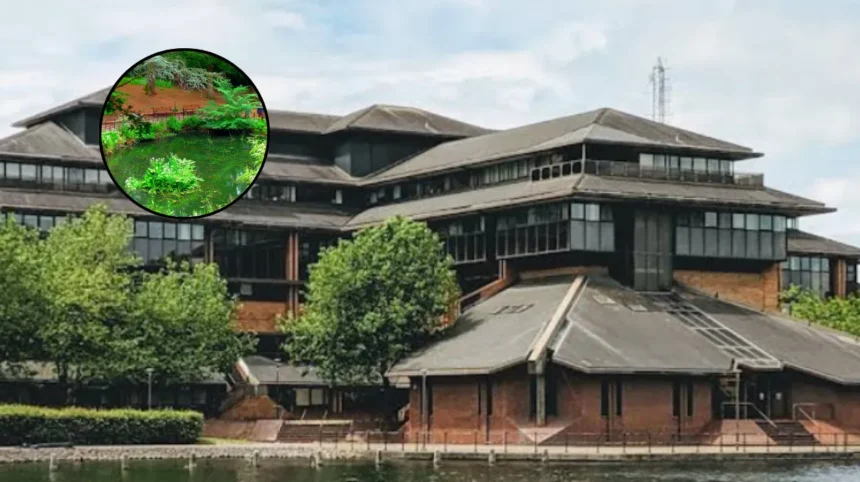
- The park is highly regarded for its unique natural features, which include tumbling streams, winding paths, lily-covered ponds, and a significant collection of native and exotic trees.
- A defining feature that sets the park apart from other green spaces in the region is its immediate, direct access to a comprehensive network of footpaths leading onto Caerphilly Mountain.
- Cardiff currently holds a leading position in Wales for its number of Green Flag award-winning parks, ranking highly among Europe’s greenest capital cities regarding accessible urban parklands.
- The estate provides distinct, rich seasonal displays, featuring blooming rhododendrons, azaleas, and camellias in the spring, followed by vibrant, multi-coloured foliage across its mature tree collections during the autumn months.
Cardiff (Cardiff Daily) June 6, 2026 — Cardiff Council has highlighted the ongoing environmental and recreational prominence of Parc Cefn Onn, an acclaimed Grade II-listed historic country park situated on the northern outskirts of the city. Renowned for its unique combination of managed ornamental gardens and semi-natural woodland, the estate has increasingly drawn attention for a geographical advantage unmatched by most urban green spaces: acting as a direct physical gateway to the extensive trail networks of Caerphilly Mountain.
As reported by regional environmental reporters for WalesOnline, Cardiff currently maintains more Green Flag award-winning parks and open green spaces than any other local authority across Wales.
This density of protected recreational areas positions the Welsh capital among the leading greenest cities in Europe, based on the percentage of municipal land explicitly allocated for public use and accessible parklands. Parc Cefn Onn stands as a premier example of this infrastructure, serving both local residents seeking gentle walks and outdoor enthusiasts tracking longer, more rigorous scenic hikes.
How Does the Park’s Flora and Geography Benefit Visitors Through Changing Seasons?
According to public asset documentations published by Outdoor Cardiff, the extensive grounds of the country park are intentionally designed to maximize seasonal variance, drawing substantial foot traffic throughout the year. In the spring months, the park becomes highly notable for its dense floral displays. These landscapes are characterized by expansive carpets of spring bulbs and an internationally sourced collection of exotic camellias, rhododendrons, and azaleas, which thrive in the sheltered, moist conditions created by the valley’s topography.
Conversely, during the autumn season, the park’s mature woodlands undergo a distinct aesthetic shift. The vast collection of specimen trees and native shrubs provides a rich, colourful canopy that attracts landscape photographers and nature walkers alike.
The internal infrastructure features a series of winding, well-maintained paths that run parallel to tumbling natural streams, allowing visitors to navigate the lower ornamental sections safely before choosing to transition into the wilder, semi-natural woodland areas.
How Does the Mountain Trail Connection Set the Park Apart?
While the interior features of the park—such as its quiet, reflective ponds and managed botanical sections—align with traditional historical garden designs, its northern boundary offers a stark contrast.
The upper edge of Parc Cefn Onn transitions directly into a network of public footpaths that ascend Caerphilly Mountain. This structural connection allows families, casual walkers, and dedicated hikers to transition seamlessly from a flat, sheltered valley floor into a rugged, upland environment without needing vehicular transport between location
Woodland paths within the Grade II-listed country park. Source: Outdoor Cardiff
Background of the Park’s Development and Heritage Protection
The origins of Parc Cefn Onn date back to its layout as a private estate, selected specifically for its damp, valley-bottom microclimate which allowed early twentieth-century horticulturists to successfully cultivate delicate, exotic tree species that would otherwise struggle in the harsher Welsh coastal winds.
Recognizing its distinct botanical and historical value, the site was later designated as a Grade II-listed historic park on the Cadw Register of Parks and Gardens of Special Historic Interest in Wales.
Over the subsequent decades, the management of the site transitioned into a public country park under the jurisdiction of the local authority. To preserve its status, Cardiff Council, alongside heritage organizations, has overseen targeted structural investments.
These developments have focused heavily on improving hydrological controls for the park’s iconic ponds, protecting the root systems of ancient trees, and upgrading the path networks to meet modern accessibility standards while maintaining the natural, un-commercialized character that defines the estate’s periphery.
Explore More Cardiff Council News
Cardiff Approves Controversial Blackweir Live Bute Park Gigs: Cardiff 2026
Chris Weaver Becomes Cardiff Council Leader Amid Labour’s 2026 Losses – Cardiff 2026
Predictions for Future Visitor Trends and Environmental Impact
The sustained preservation and promotion of Parc Cefn Onn are projected to influence both the local tourism economy and the recreational habits of Cardiff’s growing population.
As urban density increases within the city centre, edge-of-city country parks are expected to experience a marked rise in weekend visitor numbers. For local families and walking groups, this development will solidify the park’s role as a critical, free-to-access health and well-being hub that mitigates the need to travel further afield to national parks like the Brecon Beacons for a wilderness experience.
However, this projected increase in foot traffic will likely require careful municipal oversight. The direct trail link to Caerphilly Mountain means that environmental managers will need to monitor trail erosion closely, particularly on the steeper upper slopes where the managed park boundaries blur into open country.
For regular users and conservationists, the future value of the park will depend entirely on striking a stable balance between welcoming higher volumes of outdoor recreation and maintaining the delicate microhabitats required by the park’s exotic botanical collections and native stream wildlife.