Key Points
- Former Cardiff City manager Sabri Lamouchi has been dismissed as Tunisia head coach following a 5-1 World Cup opening defeat to Sweden
- The Tunisian Football Association confirmed the 54-year-old Frenchman’s contract was terminated by “mutual agreement”
- Lamouchi becomes the first manager in World Cup history sacked after just one game
- Initial reports suggested immediate dismissal, but sources told BBC Sport he took training on Monday before the official confirmation
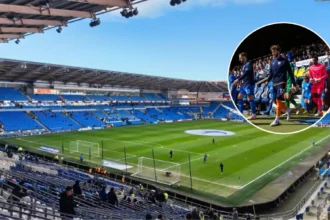
- Lamouchi served as Cardiff boss for four months in 2023, overseeing six wins in 18 games to keep the club in the Championship
- Cardiff owner Vincent Tan decided not to offer Lamouchi a new contract in May 2023 despite his openness to extending his stay
- The former Nottingham Forest boss managed two Saudi Arabian clubs before becoming Tunisia coach in January 2026
- Lamouchi won just one of his five games with Tunisia – a 1-0 victory over Haiti in his first match
- Tunisia lost 1-0 to Austria and 5-0 to Belgium in warm-up games earlier this month before the World Cup
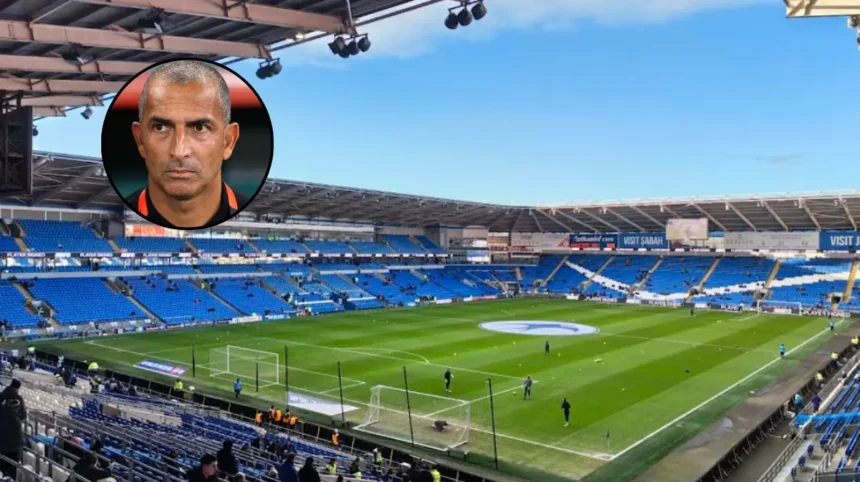
Cardiff (Cardiff Daily) June 16, 2026 – Tumultuous times in Tunisian football as former Cardiff City manager Sabri Lamouchi has been sacked as Tunisia head coach following their devastating 5-1 defeat by Sweden in their opening World Cup fixture .
- Key Points
- Why Was Lamouchi’s Dismissal Not Immediate After the Sweden Defeat?
- How Did Lamouchi’s Tunisia Performance Compare to His Cardiff Success?
- What Were Tunisia’s Warm-Up Results Before the World Cup?
- Where Did Lamouchi Manage Before Tunisia and Cardiff?
- Background of Sabri Lamouchi’s Managerial Career and Tunisia Appointment
- Prediction: How Will Lamouchi’s Dismissal affect Tunisian Football and Fans?
- Effect on Tunisian Football Association Reputation
- Impact on Tunisian Football Fans
- Long-term Consequences for Tunisian Football Development
- Financial Implications
- Impact on Lamouchi’s Future Career prospects
As reported by the BBC Sport football team, the Tunisian Football Association has now officially confirmed that the Frenchman’s contract has been terminated by “mutual agreement”. This development marks Lamouchi as the first manager in World Cup history to be sacked after just one game, a grim statistical milestone in international football.
Although reports immediately after the loss suggested Lamouchi had been immediately sacked, sources told BBC Sport that the 54-year-old took training on Monday, indicating the dismissal was not instantaneous.
The delay between the match and the official confirmation has raised questions about the internal discussions within the Tunisian Football Association regarding his future.
Why Was Lamouchi’s Dismissal Not Immediate After the Sweden Defeat?
The timeline of Lamouchi’s dismissal reveals a more complex process than initial reports suggested. As reported by BBC Sport journalists covering the World Cup, while media speculation pointed to immediate termination, factual sources within the football community confirmed Lamouchi continued his duties on Monday.
This suggests the Tunisian Football Association engaged in deliberations before reaching the “mutual agreement” that ended his tenure.
The 54-year-old Frenchman’s single-game World Cup record stands as an unprecedented negative milestone. His one-game tenure in the World Cup tournament contrasts sharply with his four-month stint at Cardiff City, where he oversaw 18 games.
How Did Lamouchi’s Tunisia Performance Compare to His Cardiff Success?
Lamouchi’s managerial record with Tunisia proves significantly less impressive than his Cardiff achievement. As reported by BBC Sport’s football analysis team, the former Nottingham Forest boss won just one of his five games with the North African country – a 1-0 victory over Haiti in his first game in charge. This 20% win rate marks a stark contrast to his Cardiff performance.
At Cardiff City, Lamouchi achieved six wins in 18 games, maintaining a 33% win rate that successfully kept the club in the Championship. As reported by BBC Sport’s Cardiff correspondent, despite saying he was open to extending his stay in south Wales, in May 2023 owner Vincent Tan decided not to offer Lamouchi a new contract.
The Cardiff duration of four months, beginning with a short-term contract signed in January 2023, provided Lamouchi with sufficient time to demonstrate his tactical approach. His Tunisia tenure, spanning from January 2026 to June 2026, lasted approximately five months but yielded minimal positive results.
What Were Tunisia’s Warm-Up Results Before the World Cup?
Predatory signs of Lamouchi’s struggles emerged during Tunisia’s pre-World Cup preparations. As reported by BBC Sport’s international football team, in their two warm-up games for the World Cup earlier this month, they lost 1-0 to Austria before suffering a 5-0 thrashing by Belgium.
These defeats, particularly the humiliating 5-0 loss to Belgium, indicated serious tactical and defensive vulnerabilities that would later be exposed against Sweden.
The 1-0 loss to Austria suggested Tunisia struggled to create meaningful attacking opportunities, a problem that escalated dramatically in the World Cup fixture.
The cumulative effect of these warm-up failures – 6 goals conceded without scoring – set a troubling precedent for the World Cup opening match.
When Sweden subsequently scored five times while conceding one, the pattern of defensive frailty became undeniable.
Where Did Lamouchi Manage Before Tunisia and Cardiff?
Lamouchi’s managerial career spans multiple countries and leagues before his controversial Tunisia appointment. As reported by BBC Sport’s football biography section, the former Nottingham Forest boss managed two clubs in Saudi Arabia before being appointed Tunisia coach in January 2026.
His Nottingham Forest tenure preceded his Cardiff appointment, establishing his experience in English football before moving to Wales.
The Saudi Arabian clubs represented his only managerial experience outside Europe before the Tunisia opportunity.
The career trajectory from Nottingham Forest to Cardiff, then to Saudi Arabia, and finally to Tunisia demonstrates Lamouchi’s willingness to work across diverse football cultures. However, the Tunisia appointment proved to be his most unsuccessful managerial venture.
Background of Sabri Lamouchi’s Managerial Career and Tunisia Appointment
Sabri Lamouchi, born in 1971, is a 54-year-old French football manager with a career spanning multiple countries and leagues. His managerial journey began in England with Nottingham Forest, where he established his credentials before moving to Cardiff City in January 2023.
At Cardiff City, Lamouchi signed a short-term contract that lasted four months. During this period, he oversaw 18 games, achieving six wins – a 33% success rate that successfully kept Cardiff in the Championship league.
Despite Lamouchi expressing openness to extending his stay in south Wales, Cardiff owner Vincent Tan made the decision in May 2023 not to offer him a new contract.
Following his Cardiff departure, Lamouchi managed two clubs in Saudi Arabia, representing his first managerial experience outside European football. This Saudi experience lasted approximately two years before he received the opportunity to coach Tunisia.
In January 2026, Lamouchi was appointed as Tunisia head coach, marking his return to international football management.
His tenure with the North African nation proved brief and unsuccessful, with only one victory in five matches – a 1-0 win over Haiti in his inaugural game.
The Tunisia appointment culminated in disaster at the World Cup, where his team suffered a 5-1 opening defeat to Sweden, leading to his dismissal by mutual agreement with the Tunisian Football Association in June 2026. Lamouchi’s World Cup record stands as the worst possible start for any manager in the tournament’s history.
Prediction: How Will Lamouchi’s Dismissal affect Tunisian Football and Fans?
Lamouchi’s dismissal will create immediate instability for the Tunisian national team. The team must now appoint a new head coach with minimal preparation time, potentially affecting their performance in remaining World Cup fixtures.
Players who were adapting to Lamouchi’s tactical system will need to quickly adjust to new coaching methods and philosophies.
The 5-1 defeat to Sweden and Lamouchi’s subsequent dismissal will likely damage team morale. Players may question their abilities and the coaching structure, potentially leading to diminished confidence in upcoming matches. The psychological impact of such a heavy defeat combined with managerial dismissal could affect player performance throughout the tournament.
Effect on Tunisian Football Association Reputation
The Tunisian Football Association faces scrutiny over their appointment and dismissal of Lamouchi. Appointing a manager with only one win in five games and subsequently dismissing him after one World Cup game raises questions about their selection process and long-term planning.
The association may face criticism from Tunisian fans and football commentators regarding their managerial decisions.
The “mutual agreement” terminology used for the dismissal suggests the association attempted to avoid public controversy, but the unprecedented nature of sacking a manager after one World Cup game may still damage their reputation internationally. Other national associations may view Tunisia as unstable in their managerial appointments.
Impact on Tunisian Football Fans
Tunisian football fans will experience disappointment and frustration following Lamouchi’s dismissal. The 5-1 World Cup opening defeat already caused significant disappointment, and the managerial dismissal adds another layer of negative sentiment. Fans may question the overall direction of Tunisian football and the quality of managerial appointments.
The historical significance of Lamouchi becoming the first manager sacked after one World Cup game will become a painful statistic for Tunisian fans to associate with their national team.
This record will likely be referenced in future discussions about Tunisia’s World Cup performances, creating a lasting negative memory.
Long-term Consequences for Tunisian Football Development
Lamouchi’s failed tenure may influence Tunisia’s approach to future managerial appointments. The football association may become more cautious, potentially seeking managers with stronger international track records or more extensive World Cup experience.
This could lead to a more conservative selection process, potentially limiting opportunities for emerging managers.
The dismissal might also impact Tunisia’s ability to attract high-quality managerial candidates in the future. The perception of instability and quick dismissals could discourage experienced managers from accepting the Tunisia position, potentially limiting the pool of available candidates for future appointments.
Financial Implications
The mutual agreement termination likely involves financial compensation to Lamouchi, representing an unexpected financial cost for the Tunisian Football Association.
This expense, combined with the costs of appointing a new manager, creates financial pressure that could affect other aspects of Tunisian football development.
The negative World Cup performance and managerial dismissal may also impact commercial partnerships and sponsorship deals.
Companies associated with Tunisian football may reconsider their investment levels following such disappointing results, potentially reducing financial resources available for the national team and football development programs.
Impact on Lamouchi’s Future Career prospects
For Lamouchi personally, this dismissal represents a significant career setback. Becoming the first manager sacked after one World Cup game creates a negative historical record that will likely affect future managerial opportunities. Clubs and national associations may view this as evidence of unsuitability for high-pressure international management roles.
The failed Tunisia appointment may limit Lamouchi’s opportunities in top-tier football, potentially forcing him to consider positions at lower-level clubs or in less competitive football markets. His managerial reputation, previously built on successful Cardiff performance, now carries this significant negative association.