Key Points
- Approval Granted: Cardiff Council has formally approved essential fire safety remediation works for Block F of the well-known Prospect Place residential development in Cardiff Bay.
- Corporate Framework: The planning permission was granted to UK real estate services firm Savills, which submitted the comprehensive application on behalf of the original site developer, Bellway Homes.
- Combustible Material Removal: The approved works target the comprehensive removal of potentially combustible materials, including timber cladding, sandwich-board panels, and combustible balcony decking, all identified during internal safety reviews.
- Phased Remediation: This regulatory approval follows a similar planning permission granted in May 2026 for Block A of the same development, marking a continuing multi-phase safety upgrade across the estate.
- Visual Continuity: All remediation materials will feature a strict “like-for-like” external appearance to preserve the original architectural aesthetic and contemporary character of the multi-storey waterfront complex.
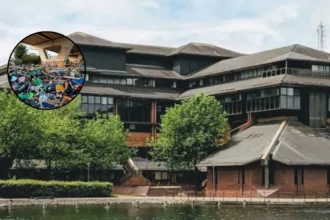
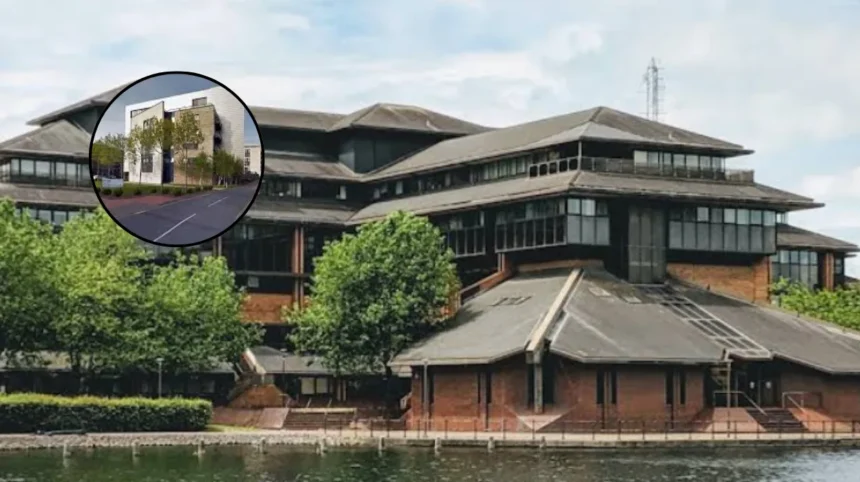
Cardiff Council (Cardiff Daily) June 16, 2026, clearing the way for extensive fire safety remediation works at Block F of the prominent Prospect Place development in Grangetown, Cardiff Bay. The approved works, executed on behalf of the original developer Bellway Homes, mandate the removal of potentially combustible external elements identified during extensive structural reviews conducted in the wake of the 2017 Grenfell Tower tragedy. The planning green light represents the latest phase of an estate-wide safety infrastructure overhaul, following identical remediation clearances issued by local authority planners for the development’s Block A in May. Under the legally binding framework of the planning decision, all structural upgrades, balcony replacements, and external wall interventions must match the original building profiles to maintain the visual continuity of the waterfront skyline.
- Key Points
- What Is the Scope of the Approved Remediation Works at Block F?
- Why Did Bellway Homes Initiate the Prospect Place Safety Reviews?
- How Have Other Blocks Within the Cardiff Bay Estate Been Affected?
- Background of the Post-Grenfell Remediation Framework in Wales
- Prediction: How This Development Will Affect Leaseholders and Residents
What Is the Scope of the Approved Remediation Works at Block F?
As detailed by journalist Kieran Molloy of Wales Online, the specific technical interventions authorized under the newly approved planning application focus on replacing high-risk components with fully compliant, non-combustible alternatives. Structural engineers and planning officers designated several key areas within Block F that required urgent remediation to align the building envelope with current fire safety regulations.
The approved engineering schedule includes:
- The installation of high-specification, 90-minute fire-rated cavity barriers inside the external wall systems to systematically prevent horizontal and vertical flame spread.
- The total removal of existing external timber cladding and sandwich-board panels, which will be replaced with non-combustible alternative systems.
- The complete stripping and extraction of all combustible balcony decking platforms across the multi-storey facade, substituted with an engineered, non-combustible decking alternative.
- A rigorous, comprehensive physical inspection of the internal and external curtain walling systems to check for hidden structural void spaces and material vulnerabilities.
According to the official planning documents filed with Cardiff Council, the structural adjustments have been designed to minimize aesthetic disruption. The application text states:
“In summary the works include the removal of the previously-installed combustible materials which have been replaced with non-combustible materials. All replacements will be like-for-like in appearance.”
The planning documents further clarify that the building features a distinctively
“contemporary appearance, characterised by its predominant use of cladding panels,”
meaning the choice of replacement materials must strictly avoid altering the visible character or local profile of the estate.
Why Did Bellway Homes Initiate the Prospect Place Safety Reviews?
As reported in the local media coverage by Herald.Wales, the impetus for the widespread safety overhaul dates back to a comprehensive national audit initiated by the original housebuilder.
Following the structural revelations of the Grenfell Tower disaster, Bellway Homes committed to reviewing its entire historical portfolio of multi-storey residential schemes across the United Kingdom.
The corporate statement embedded within the planning documents submitted to Cardiff Council outlines the developer’s findings:
“Following the Grenfell Tower disaster Bellway have undertaken a detailed review of all of their built schemes. This process has identified a number of buildings which are in part constructed with potentially combustible cladding material, including the aforementioned buildings. Bellway have committed to replacing the potentially combustible materials with appropriate alternative non-combustible materials.”
The review explicitly targeted the material composition of the external walls at the Grangetown site. The planning files show that upon reviewing the external materials used in the construction of Prospect Place, Block F, Bellway Homes identified specific areas requiring immediate remediation to ensure full compliance with the latest building fire safety regulations.
How Have Other Blocks Within the Cardiff Bay Estate Been Affected?
The remediation of Block F is not an isolated intervention but part of a rolling infrastructure program across the 15-building private estate. Media reports from Herald.Wales confirm that identical fire safety works were approved for Block A of the Ferry Road site in May.
Furthermore, historical safety challenges have previously impacted residents at the development. In October 2024, residents living within Lady Isle House—another block situated inside the Prospect Place boundaries—were temporarily evacuated to alternative accommodation following the discovery of severe structural risks during an independent fire risk assessment.
Those affected leaseholders were only permitted to return to their homes shortly before Christmas 2024, after emergency interim fire safety measures were successfully installed.
The complex history of the site also includes earlier testing failures. In reports published by BBC Wales, it was revealed that cladding assemblies on six private flat blocks at Prospect Place—specifically identified at the time as Alderney House, Caldey Island House, Breakwater House, Dovercourt House, Eddystone House, and the high-rise Pendeen House—failed localized fire safety tests regarding aluminum composite material (ACM) variants.
The localized failures prompted immediate emergency interventions by the managing agents, Warwick Estates, in close coordination with the South Wales Fire and Rescue Service.
The initial interim safety mandates imposed on the estate included:
- The immediate closure and decommissioning of nine undercroft car parking bays situated directly beneath clad structural zones.
- The absolute removal of all combustible items from shared communal internal spaces.
- The lowering of security bollards to ensure unimpeded, rapid access for heavy fire brigade tenders along the tight waterfront promenade.
- Strict prohibitions against residents using barbecues, fire pits, or similar outdoor heating equipment on balconies.
- Direct instructions to residents prohibiting the overnight operation of domestic tumble dryers.
Background of the Post-Grenfell Remediation Framework in Wales
The ongoing works at Prospect Place sit within a wider legislative and regulatory framework established by the Welsh Government to address historical building safety defects in multi-storey residential buildings. Following the 2017 London tragedy, both the UK and Welsh governments faced mounting pressure to identify and remediate defective external wall systems, particularly high-pressure laminates and combustible insulation networks.
In response, the Welsh Government established the Welsh Government Developers Pact. Under this legal framework, major developers operating across Wales signed formal public commitments to remediate fire safety issues in buildings measuring 11 metres and over that were constructed over the preceding 30 years. Housebuilders such as Bellway Homes and Persimmon Homes entered into these binding agreements, assuming direct financial and operational liability for the remediation of structural defects, thereby shielding private leaseholders from the immense costs associated with specialized cladding removal.
Concurrently, local authorities like Cardiff Council have been managing parallel safety overhauls within their social housing stock. As documented by Stephen Delahunty of Inside Housing, Cardiff Council recently approved extensive fire safety and thermal efficiency retrofits at two public high-rise blocks—Beech House and Sycamore House on the Hollybush Estate in Whitchurch—utilizing specialized Welsh Government funding.
The dual track of private developer pacts and public housing renewals underscores the widespread scale of structural building remediation across the capital city.
Explore More Cardiff Council News
Cardiff Council Issues Urgent Water Safety Warning: Cardiff 2026
Cardiff Sustainable Transport Corridor Sparks Traffic Congestion Concerns Cardiff 2026
Prediction: How This Development Will Affect Leaseholders and Residents
The approval of the fire safety works for Block F is expected to exert a significant, multi-layered impact on the private leaseholders and residents residing within the Prospect Place development.
In the immediate term, residents will experience localized localized operational disruptions. The physical extraction of timber cladding, sandwich panels, and balcony decking necessitates the erection of external scaffolding systems, localized noise, and restricted access to private outdoor spaces.
However, because the developer has committed to a “like-for-like” visual replacement, the long-term architectural character and aesthetic profile of the complex will remain completely uncompromised, protecting the visual identity of the estate.
Financially, the progression of these works under the developer-led framework provides essential long-term protection for the property values of individual leaseholders. Multi-storey buildings across the UK carrying unresolved external wall safety risks have consistently suffered from severe market stagnation, with banks frequently withholding mortgages and surveyors valuing affected flats at zero.
By obtaining planning approval and initiating developer-funded remediation via Savills, Bellway Homes effectively removes the risk of catastrophic remediation levies falling upon individual flat owners. Once the physical works are completed and certified via updated EWS1 (External Wall Fire Review) documentation, the affected residents should see the full restoration of property liquidity, enabling seamless buying, selling, and mortgage refinancing within the standard UK financial market.