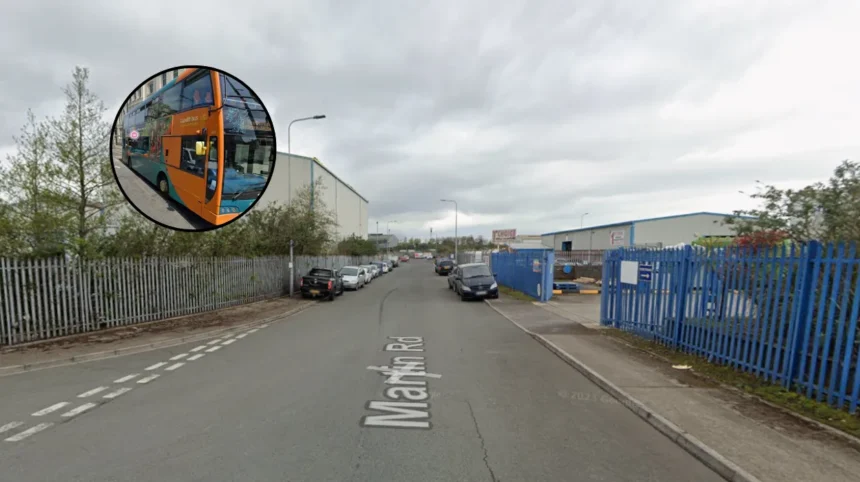
Key Points
- Cardiff Bus is facing a dispute after drivers who stopped work during extreme heat had their pay withdrawn, according to Nation.Cymru’s Martin Shipton.
- An anonymous Cardiff Bus driver told Nation.Cymru that high temperatures inside buses, linked to inadequate cooling systems, made it unsafe to continue duties.
- The company said it was “not able to pay drivers” if they did not drive during extreme weather, including heatwaves and winter storms.
- Unite has rejected that position, saying workers are protected when they take steps to avoid “serious and imminent danger” under Section 44 of the Employment Rights Act 1996.
- The union says members have suffered both lost wages and sickness-file absences, which it describes as unacceptable.
- The driver said the issue also reflects wider concerns about vehicle condition, including older buses with ineffective air conditioning and newer buses delivered without it.
- Unite says it has escalated the matter to its full-time officer and is awaiting guidance on next steps.
Cardiff (Cardiff Daily) August 3, 2026 – Cardiff Bus is facing a fresh workplace row after drivers who refused to continue driving in dangerously hot conditions were reportedly docked pay, with Unite arguing that the company has penalised staff for acting on health and safety concerns. As reported by Martin Shipton of Nation.Cymru, an anonymous driver said that during a recent heatwave “a number of drivers were unable to continue their duties because of extreme temperatures inside the buses” and that this was “caused by inadequate cooling systems” before Cardiff Bus withdrew their pay.
The same report says the company told staff it was “not able to pay drivers if they do not drive under extreme weather conditions, whether that be for heat waves or winter storms.” That position has been sharply rejected by Unite, which says the issue is not one of personal preference but of legal protection in dangerous working conditions.
What does Unite say about drivers refusing to work?
As reported by Martin Shipton in Nation.Cymru, Unite has told members that a Red Weather Warning signals dangerous weather with a high risk to life and that Section 44 of the Employment Rights Act 1996 protects workers who take steps to protect themselves from “serious and imminent danger.”
The union’s message, quoted in the report, says employers cannot penalise workers for taking health and safety action and that members should not suffer detriment for refusing unsafe work. Unite also says the drivers affected have had pay removed and absences recorded on sickness files, which it describes as unacceptable.
What is the cooling-system issue?
The Nation.Cymru report says the driver believed the dispute is linked to Cardiff Bus’s vehicle fleet and maintenance decisions. According to the anonymous source quoted by Martin Shipton, the company has about 53 older Mercedes Citaro buses that originally had air conditioning, but the systems are no longer working effectively because they have not been properly maintained.
The report also says Cardiff Bus operates 55 electric Yutong buses, which the driver described as having excellent air conditioning, and that in April 2026 the company took delivery of 20 new Volvo B8RLE MCV Evora buses. The driver said those newer vehicles were designed with air conditioning in mind but had it omitted, despite having small windows and limited natural ventilation.
What happens next?
Nation.Cymru reports that Unite has escalated the matter to its full-time officer and is awaiting guidance on next steps. The union message says it has made “numerous attempts” to secure payment for affected drivers and will keep members informed as the situation progresses.
Background of the development
This dispute sits within a wider debate over bus driver welfare in hot weather and what employers must do when cooling systems are inadequate. In recent years, Unite has also supported bus and coach drivers who say they should not be forced to work in extreme heat when air conditioning is absent or faulty, arguing that unsafe cabs can create risks for both workers and passengers.
Cardiff Bus is publicly owned, which adds a further layer to the argument raised in the Nation.Cymru report: the driver said the company receives significant public funding and that passengers and staff are being affected by the lack of proper air conditioning on older and newer vehicles alike.
Explore More Local Cardiff News
Taff’s Well Quarry Blast Triggers Flooding: Gwaelod-y-Garth 2026
Cardiff Business School Wins National Marketing Analytics Hackathon Cardiff 2026
Prediction: how could this affect drivers and passengers?
For Cardiff Bus drivers, the immediate effect could be further tension over pay, attendance records and confidence that safety concerns will be treated fairly. If the dispute widens, it may also influence how drivers respond in future heatwaves, especially if they believe stopping work could trigger deductions or disciplinary consequences.
For passengers, the outcome could shape service reliability during periods of extreme weather. If the company and union do not reach an agreement on when buses are too hot to operate safely, Cardiff Bus may face more operational disruption, but if a clear policy is agreed, it could reduce uncertainty for both staff and passengers.