Key Points
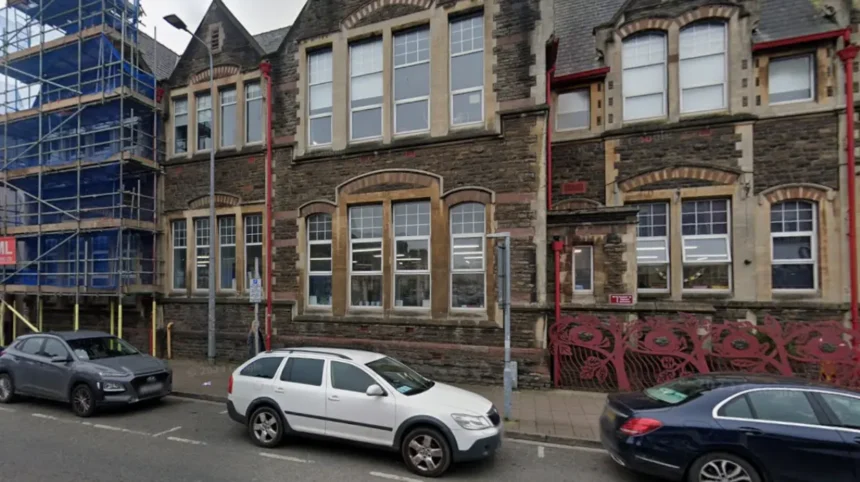
- Immediate Closure: Albany Primary School in Roath, Cardiff, has been deemed unsafe to open for the start of the new academic term following the discovery of extensive dry rot in the building.
- Pupil Relocation: Hundreds of affected pupils are being dispersed and relocated across three different primary schools in the city to ensure their education continues without prolonged interruption.
- Structural Concerns: Council engineers and specialist surveyors identified severe timber decay caused by fungal growth, posing significant structural risks within the historic victorian-era structure.
- Parental Frustration: Families have expressed deep concern over the last-minute disruption, citing logistics, transportation challenges, and emotional strain on young learners separated from their usual environment.
- Uncertain Timetable: Cardiff Council has not yet confirmed an exact reopening date, stating that comprehensive remedial works, structural stabilization, and safety sign-offs must take place first.
Roath (Cardiff Daily) September 9, 2026 – Albany Primary School in Roath has been forced to close its doors at the start of the autumn term after specialist inspections revealed widespread dry rot throughout the main building structure, rendering the premises unsafe for pupils and staff. To prevent severe learning disruption, Cardiff Council has implemented an emergency contingency plan, scattering the school’s population across three neighboring primary institutions in the city for the foreseeable future.
- Key Points
- Why Was Albany Primary School Deemed Unsafe for the Start of Term?
- Where Have the Affected Pupils Been Moved for Their Lessons?
- How Have Parents and the Local Community Reacted to the Disruption?
- What Actions Are Cardiff Council and School Executives Taking?
- Background of the Albany Primary School Structural Development
- Prediction: How Will This Development Affect the Local Community, Education Staff, and Local Government?
Why Was Albany Primary School Deemed Unsafe for the Start of Term?
The sudden decision to shutter Albany Primary School came after routine maintenance inspections over the summer break uncovered significant timber decay caused by Serpula lacrymans, commonly known as dry rot. The wood-decaying fungus, which thrives in moist, unventilated conditions, had severely compromised load-bearing structural timbers within the Victorian-era facility.
Upon reviewing the survey findings, safety officials from Cardiff Council determined that the risk of structural instability, coupled with poor indoor air quality caused by fungal spores, made it impossible to open the school safely for incoming pupils. Council structural engineers recommended immediate closure to allow specialists to strip back affected areas, eradicate the fungus, and rebuild damaged support structures.
Where Have the Affected Pupils Been Moved for Their Lessons?
To maintain educational continuity, Cardiff Council’s education department arranged emergency accommodation across three nearby educational sites. Rather than keeping the school body intact at a single holding location—which was unavailable on short notice—pupils have been split by year groups to fit into available capacity across the host facilities.
Lower foundation phase children have been temporarily placed in dedicated classroom blocks at a nearby primary, while upper primary cohorts have been integrated into spare capacity at two other neighboring schools in the surrounding district. School leaders have confirmed that teaching staff from Albany Primary have moved alongside their respective year groups to provide familiarity and stability for the children during the transition.
How Have Parents and the Local Community Reacted to the Disruption?
The sudden closure has triggered widespread concern and logistical headaches for parents, many of whom were notified only days before the official start of the academic year. Families with multiple children across different year groups face significant challenges as they navigate new, competing drop-off and pick-up locations across Cardiff during peak morning transit hours.
Community members and local representatives have expressed frustration regarding the timing of the announcement, questioning why structural issues were not identified and addressed earlier in the summer recess. Parent-teacher representatives have highlighted the emotional toll on young children adapted to a single learning environment, though they acknowledged that pupil safety must remain the absolute priority.
What Actions Are Cardiff Council and School Executives Taking?
Cardiff Council has mobilized emergency capital funding to address the structural remediation required at Albany Primary School. Specialist contractors have been brought on-site to remove infected wood, treat surrounding masonry with chemical fungicides, and install modern, treated timber frame replacements alongside improved ventilation systems.
Education authorities have established daily transport support, designated crossing supervisors, and extended morning reception windows at the host schools to assist families struggling with altered routes. Regular update bulletins are being issued to parents, though council spokespeople maintain that full restoration will take time, as historical building regulations must be respected during structural alterations to the older building.
Background of the Albany Primary School Structural Development
The structural crisis at Albany Primary School reflects a broader challenge facing local education authorities across the United Kingdom regarding aging school infrastructure. Originally constructed during the late Victorian era, Albany Primary’s main building features heavy timber framing, traditional slate roofing, and historic masonry—design elements that are particularly susceptible to water ingress and latent fungal infestation if moisture barriers fail over time.
Dry rot poses a notoriously complex challenge for historic property management. Unlike wet rot, which remains localized to damp areas, dry rot can penetrate through brickwork and masonry via microscopic hyphae to seek out uninfected structural timber in other parts of a building. Identifying the full extent of an outbreak frequently requires intrusive investigations, including removing floorboards, stripping plasterwork, and exposing structural beams—work that cannot be safely undertaken while a facility is occupied by hundreds of young pupils.
Over recent years, Cardiff Council has managed an extensive portfolio of school modernization programs under the Welsh Government’s Sustainable Communities for Learning initiative. However, balancing capital investment between building entirely new high-capacity facilities and maintaining century-old neighborhood schools remains a critical financial and operational hurdle for municipal leaders.
Prediction: How Will This Development Affect the Local Community, Education Staff, and Local Government?
The temporary relocation of Albany Primary School pupils is expected to create ripple effects across the local educational ecosystem, municipal budgets, and community dynamics over the coming academic year.
Impact on Pupils and Families
For families, the fragmented placement across three separate host schools will prolong daily travel logistics, potentially leading to increased traffic congestion around alternative drop-off zones in Roath and surrounding neighborhoods. Younger children may experience temporary academic and social disruption as they adjust to shared playground facilities, unfamiliar classroom layouts, and altered daily routines. However, the presence of their primary teaching staff will help cushion the developmental impact over time.
Impact on Host Schools and Educational Staff
The host primary schools will face spatial constraints and operational pressure as they absorb additional cohorts. Shared spaces such as assembly halls, dining rooms, and sports fields will require modified timetables to accommodate the influx of students. Teaching staff from both Albany Primary and host schools will need to collaborate closely to ensure resource sharing occurs smoothly without compromising standard curriculum delivery for existing host pupils.
Financial and Policy Implications for Cardiff Council
From a municipal governance perspective, this emergency intervention will incur substantial unexpected expenditures. Cardiff Council will be forced to draw from capital reserve funds to cover specialist remediation costs, structural rebuilding, and temporary transportation subsidies for affected families. Furthermore, this high-profile disruption is likely to accelerate council reviews into all pre-1900 educational structures across Cardiff, prompting preemptive structural surveys and potentially reprioritizing capital spending toward legacy building maintenance in future fiscal budgets.