Key Points
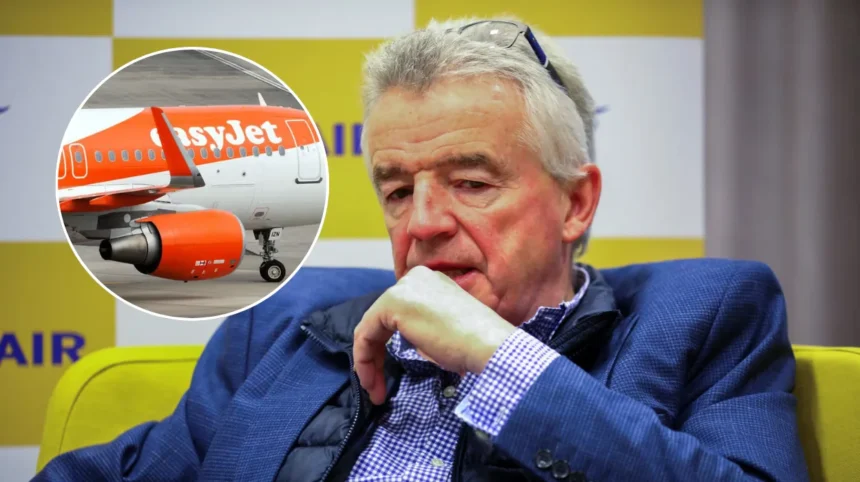
- Additional Cuts on the Schedule of easyJet: easyJet has also announced additional reduction of 700,000 seats from its winter schedule, which is the second cut from their winter capacity after their first summer cuts, making a total reduction of winter seats to 1.4 million from October 2026 to March 2027.
- Michael O’Leary Warnings About Fare Increases: The chairman of Ryanair Michael O’Leary has warned about fare increases, as a result of increased fuel prices, where prices can increase by 20% next summer.
- Fuel Price Effect: According to Willie Walsh, director general of Iata, at the 2026 Iata Annual General Meeting in Rio de Janeiro, Brazil, jet fuel prices will be 70 per cent higher year-on-year.
- High Fuel Prices Duration: The price of jet fuel is still about 50% higher than before the Iran war, and it is expected to remain high for the next 12 to 18 months, and fuel prices and fares can even continue to 2028.
- EasyJet Customer Assurance: According to an easyJet spokesperson, the alterations made up only a small percentage of easyJet’s flight schedule and customers on affected multi-frequent flights receive notice beforehand so that they can smoothly transition to other flights.
Cardiff (Cardiff Daily) October 9, 2026 – Passengers across the United Kingdom are facing substantial disruptions this winter as budget airlines grapple with soaring operational expenditures. Budget carrier easyJet has confirmed it will axe an additional 700,000 seats from its winter schedule, compounding an earlier reduction and totalling 1.4 million removed seats between October 2026 and March 2027. Concurrently, industry leaders have warned that escalating fuel prices will inevitably force airlines to pass surging costs onto consumers through steeper ticket prices.
Why Are EasyJet and Ryanair Cutting Capacity and Raising Fares?
The aviation sector is currently navigating immense financial pressure triggered by skyrocketing fuel expenses. As reported by Ben Hurst of Wales Online, easyJet will remove an additional 700,000 seats from its capacity. This follows an initial cut of approximately 600,000 to 700,000 winter flight seats announced earlier this summer.
Addressing the adjustments, an easyJet spokesperson stated to Ben Hurst of Wales Online:
“Like all airlines, we review our schedule on an ongoing basis and sometimes make some changes. The changes to our winter flying represent a tiny proportion of our flying programme. We make any changes in advance and typically choose multi-daily frequency flights so customers can easily move to an alternative flight.”
The underlying catalyst for these drastic reductions is the unprecedented surge in jet fuel pricing. Speaking at the 2026 Iata Annual General Meeting in Rio de Janeiro, Brazil, Willie Walsh, Iata director general, noted that jet fuel prices are anticipated to be 70 per cent higher year-on-year, as reported by Ben Hurst of Wales Online.
Explore more UK News
Reform UK Warns Safety Ignored as Terror Charges Filed London 2026
UK Diesel Prices Top £2 a Litre for First Time in London 2026
How Will Rising Fuel Costs Affect Airline Ticket Prices?
In tandem with capacity cuts, travellers must prepare for continuing fare increases. Ryanair boss Michael O’Leary stated that “insanely high” fuel costs have forced low-cost carriers to react by either reducing flights or warning that price hikes are imminent.
As reported by Ben Hurst of Wales Online, Mr O’Leary remarked at an Airlines for Europe news conference:
“The airlines cannot survive unless they pass on these insanely higher fuel costs in the form of higher offers, and the customers will have to pay.”
While fuel prices have slightly eased from their initial peaks following the onset of the Iran war, jet fuel remains roughly 50 per cent more expensive than pre-war levels. Industry projections indicate these elevated prices will persist for the next 12 to 18 months. Mr O’Leary had previously warned that ticket prices could climb by up to 20 per cent next summer. However, his latest remarks mark the first time an executive has cautioned that the cascading financial effects of the conflict and high fuel costs could extend well into 2028.
Background
The recent wave of capacity cuts and fare warnings stems from severe geopolitical instability and subsequent disruptions in global energy markets. The onset of the Iran war severely impacted crude oil supplies, driving global petroleum and jet fuel prices to historic highs. Because fuel represents one of the single largest operating expenditures for commercial airlines—often accounting for up to 30 per cent or more of total operating costs—sudden and sustained spikes severely compress profit margins. Consequently, traditional low-cost carrier models, which rely on high volume, tight cost control, and affordable fares to stimulate demand, have been forced to re-evaluate their scheduling strategies. By reducing seat capacity on less dense routes and passing residual costs onto passengers, airlines aim to safeguard financial stability while weathering a prolonged period of inflated energy overheads.
For the travelling public, particularly holidaymakers, frequent flyers, and families across the United Kingdom, these developments signal a definitive end to an era of ultra-cheap European air travel. With easyJet removing 1.4 million seats from its winter schedule and Ryanair signalling price spikes of up to 20 per cent heading into summer, consumers will likely encounter restricted route choices, less scheduling flexibility, and noticeably higher ticket prices when booking flights over the next couple of years. Furthermore, business travellers relying on frequent regional connections may find themselves paying a premium as airlines trim multi-daily frequencies to maximise aircraft utilisation efficiency.