Key Points
- Scheduled Engineering Works: TfW has announced a period of seven days of vital infrastructure works to be done on the Cardiff Bay line, which will take place from Saturday 24 October to Friday 30 October 2026.
- Suspension of Rail Services: No rail services will run between Cardiff Queen Street and Cardiff Bay during the engineering works period.
- Installation of Tracks: The closure of the rail services will allow engineers to lay down new tracks in order to allow more frequent rail services in the future.
- Biggest Investment: As per news released by Transport for Wales (TfW News), Chief Infrastructure Officer Dan Tipper referred to the project as the biggest upgrade for public transport in the Butetown and Cardiff Bay area for decades.
- Travel Alternatives: Acceptance arrangements have been made for tickets with the services of Cardiff Bus during the improvement works.
- Rail Replacement Bus Services: Supplementary rail replacement bus services will be provided by TfW during the morning and evening peak times from Cardiff Bay to Cardiff Central/Queen Street.
- Resumption of Service: Normal rail service is expected to resume on Saturday 31 October 2026.
- Funding & Program: The Bay line conversion project is part of the Core Valley Lines conversion programme for South Wales Metro, which is being partly funded by the European Regional Development Fund through the Welsh Government.
Cardiff (Cardiff Daily) October 23, 2026 – Transport for Wales has announced a seven-day scheduled closure of the Cardiff Bay line to facilitate essential infrastructure upgrades and new track installation. Commuters and travellers in the Welsh capital are being urged to check travel plans ahead of engineering works commencing from Saturday 24 October. The project forms a critical milestone inбота the broader South Wales Metro transformation, aiming to deliver enhanced service frequency and modernised public transport for local communities.
- Key Points
- What Are The Essential Details Of The Cardiff Bay Line Metro Upgrades?
- Why Is The Temporary Closure Necessary For Transport For Wales?
- What Alternative Travel Arrangements Are Available For Passengers?
- What Is The Broader Impact Of The South Wales Metro Programme?
- Background Of The Particular Development
- How This Development Can Affect Passengers And The Community
What Are The Essential Details Of The Cardiff Bay Line Metro Upgrades?
As reported by the official news desk of Transport for Wales (TfW News), customers travelling across the Cardiff urban area are being strongly encouraged to plan their journeys carefully and verify service statuses before travelling. The advisory follows the scheduling of a seven-day continuous engineering window dedicated to vital infrastructure enhancements along the Cardiff Bay rail corridor.
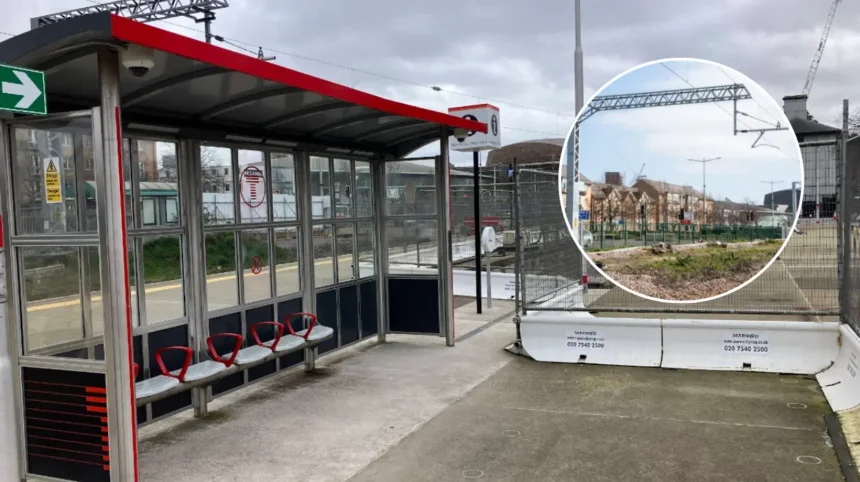
According to details published by Transport for Wales (TfW News), the temporary suspension of rail services will take effect from Saturday 24 October and remain in place through Friday 30 October 2026. During this seven-day operational window, no rail services will operate between Cardiff Queen Street and Cardiff Bay stations. The closure has been specifically engineered to allow specialist teams and construction engineers uninterrupted access to the railway corridor to execute heavy track installation works.
Why Is The Temporary Closure Necessary For Transport For Wales?
As detailed in official statements released by Transport for Wales (TfW News), the closure is an indispensable prerequisite for modernising the local rail network and accommodating future service expansions.
Highlighting the magnitude of the project, Dan Tipper, Chief Infrastructure Officer at Transport for Wales, stated that:
“The Bay Line transformation will see the biggest upgrade to public transport in the Butetown and Cardiff Bay area for a generation and is an important part of the South Wales Metro.”
Elaborating further on the technical milestones involved, Dan Tipper, Chief Infrastructure Officer at Transport for Wales, stated that:
“These track works, including the laying of new track, are a key milestone in that transformation and will help pave the way for future service frequency improvements on the line.”
Acknowledging the unavoidable disruption that infrastructure projects of this scale cause to daily passengers, Dan Tipper, Chief Infrastructure Officer at Transport for Wales, stated that:
“We know the temporary closure will be inconvenient for some customers, and we’d like to thank them for their patience and understanding while this essential work takes place to improve the future of the line.”
What Alternative Travel Arrangements Are Available For Passengers?
As reported by Transport for Wales (TfW News), comprehensive mitigation measures have been put in place to ensure that passengers remain mobile while the rail link is temporarily suspended.
Official notes to editors issued by Transport for Wales confirm that ticket acceptance arrangements have been successfully agreed upon with Cardiff Bus services, enabling valid rail ticket holders to utilise local bus networks throughout the duration of the engineering works.
Furthermore, to supplement existing Cardiff Bus routes during peak travel periods, Transport for Wales will operate dedicated rail replacement bus services in the mornings and evenings. These replacement buses will run between Cardiff Bay and Cardiff Central, as well as Cardiff Queen Street, though departure times may vary depending on local traffic conditions. Transport for Wales has advised all affected passengers to consult the official website at www.tfw.wales prior to departure for up-to-date timetable information and journey planning tools. Regular, uninterrupted rail services are scheduled to resume normal operations on Saturday 31 October 2026.
Explore more Cardiff Bay News
RS2000 Millennium Series Final Round Concludes at Cardiff Bay 2026
Ghostbusters Cardiff Bay Halloween Event Brings Fandoms Unite Festival 2026
What Is The Broader Impact Of The South Wales Metro Programme?
As reported in project documentation published by Transport for Wales (TfW News), the Cardiff Bay line transformation is not an isolated initiative but forms a vital component of the wider Core Valley Lines transformation programme. The overarching South Wales Metro scheme is designed to deliver a more reliable, accessible, fully integrated, and modern transport network for communities across the entire South Wales region.
Additionally, corporate disclosures from Transport for Wales confirm that the Bay line transformation project has been part-funded by the European Regional Development Fund through the Welsh Government, reflecting a collaborative European and national financial commitment to regional regeneration and sustainable public transport infrastructure.
Background Of The Particular Development
The evolution of public transport infrastructure in Cardiff Bay and the historic Butetown district represents decades of urban regeneration and economic restructuring. Historically, the Cardiff Bay branch line served as a vital industrial artery connecting coal and freight shipping docks to the wider South Wales rail network. Following the decline of heavy industry and the subsequent transformation of Cardiff Bay into a modern leisure, residential, and commercial waterfront destination in the late 20th and early 21st centuries, the transport demands of the area shifted dramatically.
For many years, the single-track shuttle service between Cardiff Queen Street and Cardiff Bay provided a modest local link, yet struggled to meet the growing commuter and visitor volumes generated by massive developments such as the Wales Millennium Centre, Mermaid Quay, and expanding residential quarters. Recognising the imperative for high-capacity, frequent urban transit, the Welsh Government and Transport for Wales prioritised the Core Valley Lines and Cardiff Bay line as core pillars of the burgeoning South Wales Metro initiative. The current infrastructure upgrades—involving complete track renewal and signalling preparations—build upon years of planning, legislative approvals, and capital investments aimed at transforming legacy heavy-rail corridors into modern, high-frequency tram-train and metro-style systems.
How This Development Can Affect Passengers And The Community
The completion of these track upgrades and the subsequent implementation of enhanced timetables are projected to exert a profound, long-term positive impact on daily commuters, local residents, businesses, and tourists in the Cardiff Bay and Butetown areas. For everyday passengers, the introduction of increased service frequencies will significantly reduce waiting times, eliminate peak-hour congestion bottlenecks, and provide a seamless, reliable alternative to private car usage. This enhanced connectivity is expected to stimulate local economic activity by facilitating easier access to employment hubs in Cardiff city centre and leisure amenities around the waterfront.
Furthermore, as the wider South Wales Metro programme reaches maturity, the integration between bus, rail, and active travel networks will foster a more inclusive and environmentally sustainable transport ecosystem across the region. While temporary engineering disruptions inevitably pose short-term inconveniences, the foundational improvements being executed by Transport for Wales lay the groundwork for a resilient, future-proof public transport network capable of supporting Cardiff’s projected population growth and urban expansion for decades to come.