Key Points
- Controversial Proposal: Cardiff Council has lodged plans with itself to construct a new mental health outreach centre within a local car park located in the Canton area of Cardiff.
- Community Backlash: The development proposals have triggered immediate anger and widespread outrage among local residents, who have raised multiple concerns regarding the project.
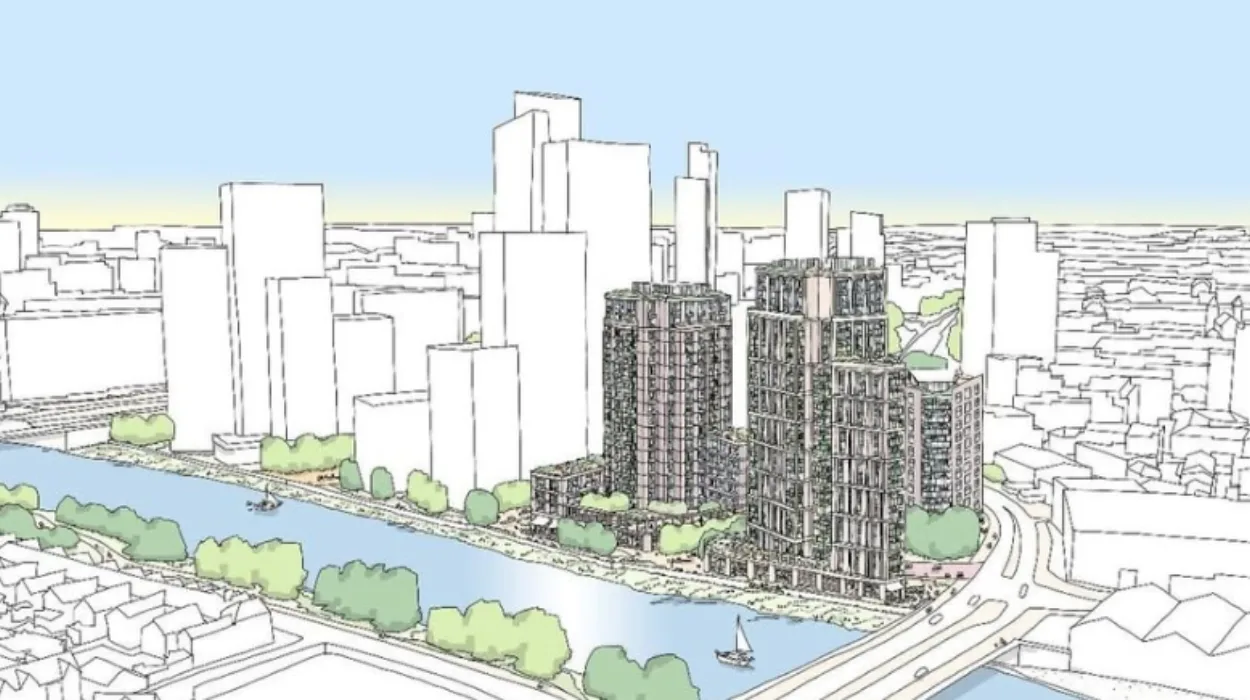
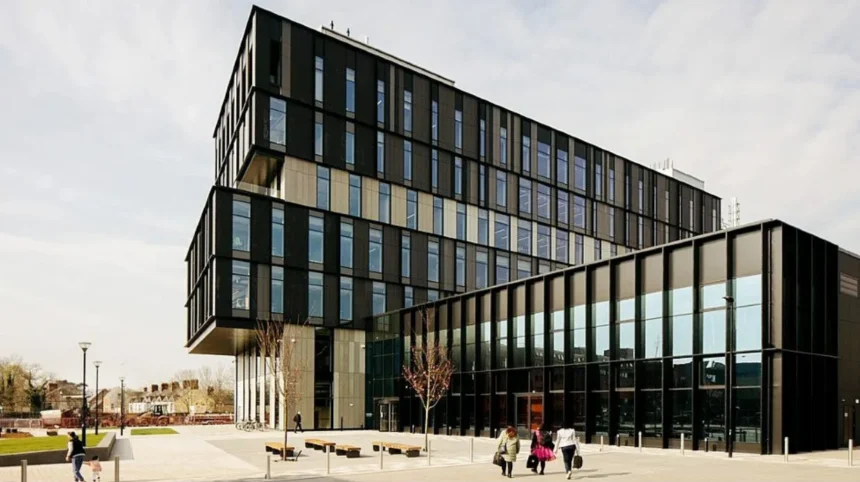
- Design and Structure Details: Visual and structural designs compiled by Arcadis indicate that the facility incorporates architectural measures aiming to “step down” at designated key positions to minimise visual intrusiveness and reduce overall mass relative to neighbouring properties.
- Journalistic Attribution: Reporting and initial coverage of the community friction and planning lodgement were brought to light by journalist Kieran Molloy writing for the Herald. Wales.
Cardiff (Cardiff Daily) November 4, 2026 — Plans submitted by Cardiff Council to construct a new mental health outreach facility within a community car park have ignited fierce backlash and widespread community outrage across the local neighbourhood of Canton.
Why Have the Mental Health Centre Plans Sparked Local Outrage?
The decision by local authorities to spearhead a development project within a residential district has drawn intense scrutiny. As reported by Kieran Molloy of the Herald. Wales, the contentious initiative involves Cardiff Council formally lodging planning applications to itself to build the new mental health outreach centre directly inside a Canton car park.
The announcement immediately fractured local sentiment, leaving community members questioning the consultation process and the choice of location. Local stakeholders have voiced deep frustrations over the local authority acting as both the applicant and the ultimate planning arbiter for a scheme expected to dramatically alter the neighbourhood landscape.
What Are the Architectural and Design Specifications of the Proposed Facility?
In response to anticipated local friction regarding building size and spatial dominance, project drafts released by architectural firm Arcadis outline specific structural modifications.
As detailed by Kieran Molloy of the Herald. Wales, the architectural layout explicitly attempts to “step down” in “key positions”. Planners argue that these deliberate design adaptations are intended to reduce the visual impact on adjacent properties, ultimately leading “to a less overbearing overall mass” for the neighbourhood. Despite these structural mitigations, critics and residents remain sceptical about whether cosmetic adjustments can adequately offset the loss of communal parking space and the altered dynamics of the immediate area.
Background of the Particular Development
The controversy surrounding local infrastructure projects in Canton reflects long-standing tensions regarding urban densification and the placement of specialized public health facilities within established residential zones. Municipal authorities across South Wales have increasingly sought to decentralize health and social care services, moving them out of major clinical hubs and into community-based settings to improve accessibility for vulnerable demographics.
However, these strategic health initiatives frequently collide with local planning hurdles, particularly when public amenity spaces, such as community car parks, are repurposed for specialized facilities. The mechanism of a local authority submitting planning applications to its own directorate has historically invited public skepticism, amplifying demands for greater transparency and independent oversight in municipal development decisions.
Prediction: How This Development Can Affect the Local Community and Stakeholders
For the residents of Canton and local business operators, the advancement of the mental health outreach centre carries multifaceted implications. In the short term, the project threatens to intensify existing anxieties surrounding neighborhood congestion, vehicular parking deficits, and the erosion of open community space. If approved without substantial revisions or enhanced community dialogue, the friction between local taxpayers and municipal leaders risks deepening, fostering a climate of mistrust regarding future civic undertakings.
Conversely, proponents of community-based health integration argue that once operational, local outreach facilities can provide vital, localized support networks for individuals requiring accessible care, potentially reducing the strain on centralized acute hospital services across Cardiff. Ultimately, the long-term success of the facility will hinge on the local council’s ability to balance necessary public health infrastructure expansion with tangible protections for neighborhood amenity and community consensus.