Key Points
- A historic pump house building located in the heart of Cardiff Bay is set to undergo a major transformation into modern office spaces.
- The regeneration project aims to preserve the architectural heritage of the landmark while adapting it for contemporary commercial use.
- Local planning and property updates highlight the growing trend of breathing new life into industrial-era structures across Wales.
- Stakeholders emphasise the significance of maintaining local history while driving economic and workspace development in the capital.
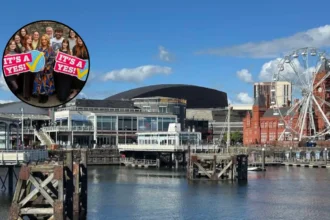
Cardiff (Cardiff Daily) November 12, 2026 — Plans have advanced to convert a historic pump house building situated in the heart of Cardiff Bay into contemporary office spaces, marking another significant milestone in urban regeneration. As reported by property journalists covering local developments, the initiative brings renewed attention to the architectural heritage of South Wales by blending industrial legacy with modern corporate utility.
What Are the Core Details of the Cardiff Bay Pump House Conversion Project?
The regeneration initiative focuses on repurposing a distinctive industrial structure that has stood as part of the area’s rich maritime and commercial fabric. According to coverage from WalesOnline, the redevelopment scheme has been structured to safeguard the unique structural characteristics of the building while implementing state-of-the-art interior office configurations. Property specialists note that demand for character-rich office spaces has continued to rise as businesses seek alternatives to conventional corporate blocks.
As detailed in local reporting, the transformation involves careful structural adjustments to ensure compliance with modern commercial standards without compromising the historic integrity of the facade. Project planners have highlighted that retaining original architectural motifs remains a central priority for the development team.
How Will the Redevelopment Impact the Local Commercial Property Market?
Industry analysts observing the Cardiff Bay district suggest that the introduction of high-end, heritage-converted offices will attract creative agencies, tech firms, and professional services looking for distinctive working environments. Local planning documentation cited by regional reporters indicates that the project is expected to inject fresh commercial momentum into the waterfront zone.
Furthermore, local authorities have frequently championed schemes that breathe new life into vacant or underutilised historical assets. Supporters of the project argue that converting the pump house prevents structural degradation and integrates a dormant landmark back into the active daily economy of the capital.
Background of the Particular Development
The broader trend of converting historic industrial properties into commercial or residential hubs has gained substantial traction across the United Kingdom over the past two decades. Industrial structures—such as former water pumping stations, engine houses, and dockside warehouses—often possess robust brickwork, high ceilings, and unique architectural details that cannot be easily replicated in modern construction. In Cardiff Bay, a district undergoing continuous evolution since its major regeneration phase in the late 20th century, retaining historical touchstones helps preserve local identity amidst modern expansion. Transforming these buildings into functional spaces balances heritage conservation with commercial viability.
Prediction
This development is expected to significantly influence local businesses, commercial property investors, and professionals operating within Cardiff Bay. For local businesses and prospective office tenants, the availability of character-driven workspaces provides an attractive alternative to standard corporate offices, potentially boosting local footfall and economic activity in surrounding cafes and retail outlets. For property developers, the successful execution of this pump house conversion may serve as a blueprint for future heritage restorations in South Wales, encouraging further investment into historical preservation coupled with commercial adaptation.