Key Points
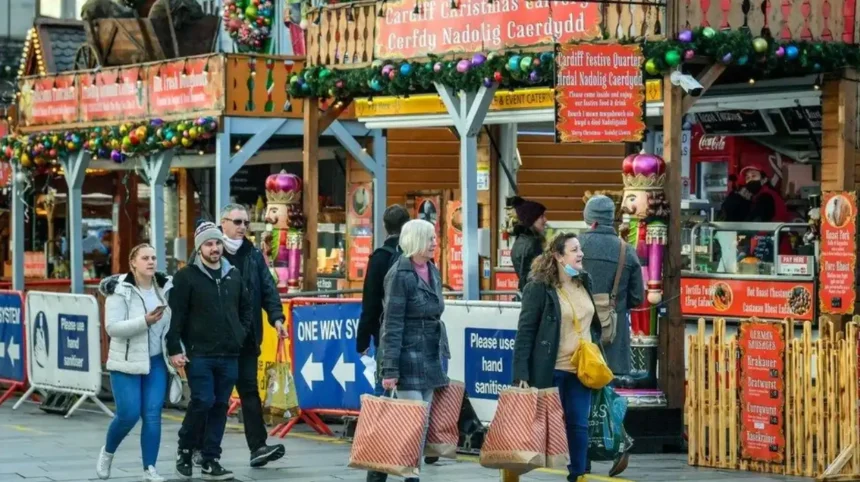
- The Cardiff Christmas Market opened on Thursday, November 12, 2026, and runs until Wednesday, December 23, 2026, featuring around 70 maker stalls around St John’s Church.
- Food and drink pricing details across the site have been published, including German sausages priced from £8 to £8.50 and filled Yorkshire puddings ranging from £12 to £14.50.
- Festive alcoholic beverages include mulled wine and hot cider priced at £6, while pints of lager and cider such as Warsteiner and Aspall range between £6.80 and £8.
- Hot chocolates start from £4.20 for standard servings, extending up to £7.50 for specialty variations infused with Baileys or brandy.
- Standard trading hours are set from 10:00 to 18:00 Monday to Saturday, extended hours until 19:00 on Thursdays in December, and Sunday hours from 10:00 to 17:00.
Cardiff (Cardiff Daily) November 14, 2026 — As reported by Wales Online, the Cardiff Christmas Market officially opened its doors for the 2026 festive season, bringing a comprehensive breakdown of food, drink, and craft stall pricing as thousands of visitors prepare for seasonal shopping. Spanning key city-centre locations including St John Street, Working Street, Trinity Street, and Hills Street, the annual attraction features roughly 70 independent maker stalls operating right up until Wednesday, December 23, 2026. With official pricing structures now revealed across multiple publications by journalists covering the regional food and drink sector, visitors are given a clear financial roadmap of what to expect during their festive outings in the Welsh capital.
What Are the Exact Food and Drink Prices at the Cardiff Christmas Market?
Detailed pricing documents published by Wales Online outline the costs for seasonal bites and beverages across the market stalls and bars. According to the data, traditional German sausages are priced between £8 and £8.50, while sweet and savoury crêpes range from £6 to £9. Burgers start at £7.50 for a standard 6oz beef burger, rising to £11.50 for specialized festive stacks. Loaded fries vary from £5 for plain skin-on portions up to £11.50 for currywurst-topped variants.
For traditional British winter warmers, filled Yorkshire puddings are available at £12 for vegetarian options, £12.50 for pork or turkey fillings, and £14.50 for mixed-meat combinations. Roast potato portions are priced at £5.50 to £7, while roast pork, turkey, and special rolls sit at £8, with corresponding baguettes priced at £9. Special beef rolls and honey roast ham rolls are marked at £8.50, with their baguette counterparts reaching £9.50. Snack items such as pork scratchings are available for £4.80.
How Much Do Alcoholic and Non-Alcoholic Beverages Cost?
Beverage pricing forms a significant portion of the seasonal expenditure for visitors navigating the stalls. As detailed by Wales Online, traditional Glühwein (mulled wine) and hot cider are priced uniformly at £6, with an optional festive spirit shot available for an extra £2.50. Wine offerings include small glasses at £6.50, medium at £8, and large glasses at £9.50, alongside Prosecco priced at £9. Standard spirits paired with a mixer are set at £6.50 for a single and £12 for a double.
Beer and cider enthusiasts can purchase half-pints, pints, or steins. Warsteiner beer is priced at £4 for a half-pint, £7.80 for a pint, and £15.80 for a stein. Hofbräu München is listed at £3.80, £7.50, and £14.50, respectively. König Ludwig Weiss and König Ludwig Dunkel both cost £4.20 for a half-pint, £8 for a pint, and £15.60 for a stein. Aspall cider runs at £3.80 for a half-pint, £7.50 for a pint, and £13.50 for a stein, while Rekorderlig berry cider is priced at £4, £7.50, and £14.50. Non-alcoholic Warsteiner Zero is available at £3.80, £6.80, and £13.50.
Hot chocolates start at £4.20 for standard cups, moving to £5.50 for luxury options featuring cream and flakes, and £6.50 for specialty flavors including Ferrero Rocher, After Eight, and Terry’s Chocolate Orange. Alcoholic hot chocolates infused with Baileys or brandy are priced at £7.50. Hot coffees begin at £2.50 for an Americano or espresso, with lattes and cappuccinos starting around £3.
Explore More Local Cardiff News
Reform Considers Removing Senedd Presiding Officer Over Joe Martin Ban Cardiff 2026
Cardiff Council Cuts Down Award-Nominated Cherry Tree in Splott Cardiff 2026
What Are the Operational Timings and Market Layout Rules?
Organisers have confirmed that the market operates daily from Monday to Saturday between 10:00 and 18:00, with Sunday hours running from 10:00 to 17:00. To accommodate late-night festive shoppers, trading hours are extended until 19:00 on the three Thursdays of December. Entry to the market area remains entirely free of charge, preserving its open-street format across St John Street, Working Street, Trinity Street, and Hills Street.
The market maintains a strict policy focused on independent makers and creators, ensuring that goods sold are crafted or designed by the stallholders themselves. Because individual traders frequently rotate their schedules across the six-week operational window, the physical line-up of stalls evolves dynamically between November and December.
Background of the Particular Development
The Cardiff Christmas Market has evolved over decades into a cornerstone of the Welsh capital’s winter economy, serving as a vital commercial platform for local artisans, craftspeople, and independent food producers. Unlike commercialized markets that rely heavily on mass-produced goods, Cardiff’s strict “maker-only” framework was established to protect and promote regional craftsmanship, ranging from hand-thrown ceramics and bespoke jewellery to local Welsh textiles and artwork.
In recent years, rising inflation, supply chain pressures, and increased utility costs for independent traders have made the annual publication of food and drink price lists a matter of intense public interest. Media outlets such as Wales Online track these pricing shifts annually to help consumers budget effectively amidst broader economic cost-of-living constraints. The integration of the market with adjacent city-centre attractions—such as the Cardiff Castle ice rink and the Winter Wonderland—has further solidified the precinct’s role in driving regional tourism and boosting footfall for local hospitality venues during the fourth quarter.
Prediction
This comprehensive release of pricing and operational schedules directly impacts local consumers, holiday shoppers, and regional tourism stakeholders across South Wales. With festive food and beverage costs remaining a notable household expense—such as pints reaching up to £8 and specialized hot chocolates touching £7.50—budget-conscious visitors are expected to plan their spending more meticulously than in previous years.
For local businesses, transparent upfront reporting on market pricing allows families to weigh traditional market visits against alternative indoor dining options, potentially shifting peak queue dynamics toward off-peak weekday trading hours and Thursday evening sessions. Furthermore, the clear schedule extending through December 23 provides certainty for hospitality providers and transport networks—such as Transport for Wales—enabling them to manage passenger surges and capacity planning efficiently throughout the peak winter season.