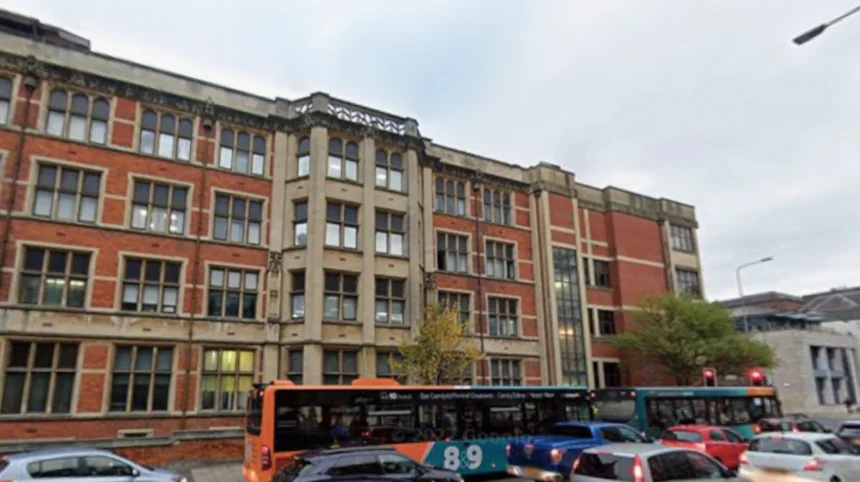
Imagine hopping off a tram at a gleaming new station right in the heart of Butetown, then strolling into Cardiff’s bustling city centre without a car in sight. That’s the promise of Cardiff Crossrail, a transformative project breathing new life into the capital’s public transport network. This article dives deep into the Butetown station plans and how they fit into the broader vision for Crossrail, exploring timelines, benefits, challenges, and what it means for everyday Cardiffians. We’ll unpack the engineering feats, economic boosts, and community impacts, drawing on the latest developments to show why this isn’t just another rail scheme—it’s a blueprint for a connected, greener Cardiff.
Historical Context of the Bay Line
The Butetown branch line, affectionately known as the Cardiff Bay Line, has chugged along for decades as a modest spur from Cardiff Queen Street to the Bay. Stretching just 1.7 kilometres, it once buzzed with shuttle services linking to major routes like Rhymney and Merthyr Tydfil. By 2005, it simplified to a basic shuttle, serving locals and tourists heading to the waterfront.
This line’s revival stems from Cardiff’s explosive growth. The Bay area, once a post-industrial dockland, now pulses with offices, homes, and attractions. Yet connectivity lagged—commuters faced cramped trains and indirect routes to the city centre. Enter Cardiff Crossrail: a bold upgrade turning heavy rail into a sleek tram-train system, starting with a street-level link from Cardiff Central via Callaghan Square to Butetown and beyond.
Why does history matter here? It highlights a shift from isolation to integration. The original line served niche needs; Crossrail aims to knit Butetown into the city’s fabric, reducing reliance on buses and cars that clog Bute Street.
Butetown Station: Design and Location Shift
Plans for the new Butetown station mark a pivotal upgrade. Transport for Wales (TfW) is building a two-platform station north of the current site, near Loudoun Square, after community feedback pinpointed better access for residents. This spot allows an east-west crossing at Loudoun Square while keeping Cardiff Bay station for amenity links.
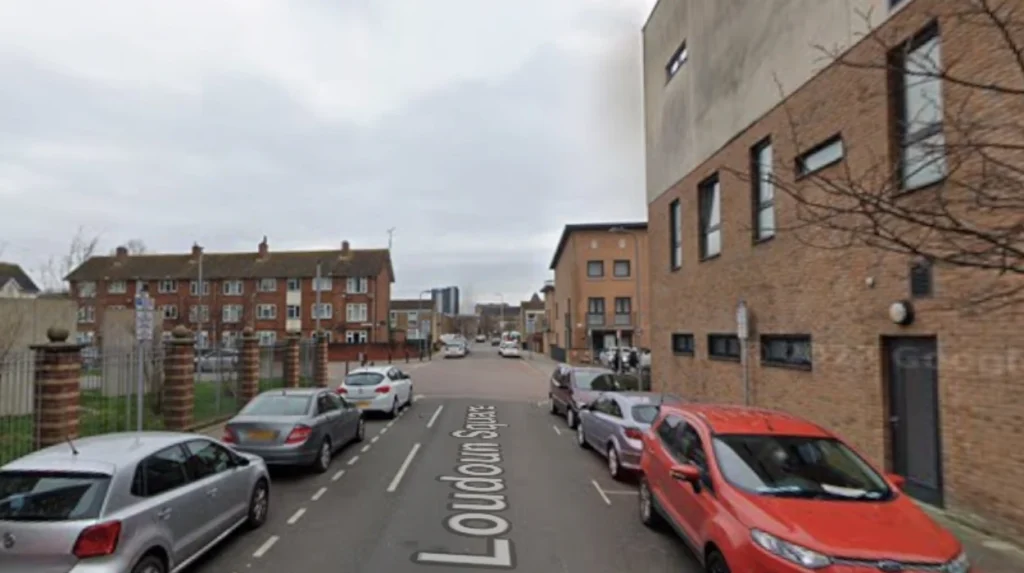
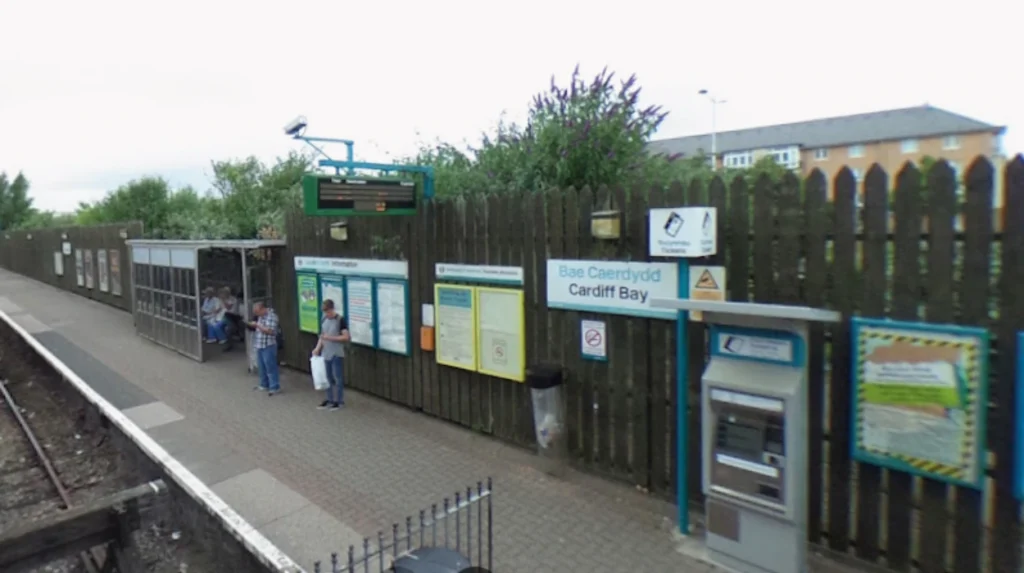
Construction kicked off in phases, with surveys in 2022 paving the way for major works expected around 2025. The station will feature modern platforms, enhanced signage, and customer screens, blending seamlessly with Crossrail’s tram infrastructure. Cardiff Bay itself gets a third platform to handle increased traffic.
Think about the “how”: engineers are upgrading tracks for lighter tram-trains, installing overhead lines, and embedding sustainable drainage. This isn’t a patch-up—it’s future-proofing for electric vehicles that cut emissions and noise, vital in a dense urban spot like Butetown. Local workshops ensured designs reflect community needs, like step-free access for families and the elderly.
Phase 1a: Core Crossrail Link
March 2026 brought game-changing news: Cardiff Council greenlit GRAHAM as the contractor for Phase 1a, valued at around £100 million. This initial stretch runs from two new tram platforms at Cardiff Central, through a twin-track tramway in Callaghan Square, straight to Cardiff Bay and the Butetown link.
Key elements include segregated cycle paths, pedestrian-friendly crossings, and revamped roads for safety. Callaghan Square’s makeover simplifies navigation amid ongoing Central station redevelopment. Works demand hefty traffic management—expect phased closures—but promise smoother flows long-term.
Why this phase first? It unlocks immediate wins: linking 20,000 daily Bay users to the main rail network, slashing journey times by up to 10 minutes. For Cardiff Bay’s new 16,500-seat arena, opening soon, this means fans arriving car-free, easing parking woes.
Broader Crossrail Vision
Cardiff Crossrail isn’t a one-off; it’s Phase 1a of a grander network. Phase 1b eyes an extension to Pierhead Street, enhancing waterfront access. Future phases could stretch northwest to Plasdwr and east to a proposed Parkway station, creating a cross-city loop.
Councillor Dan De’Ath calls it a “bold investment” tying into Atlantic Wharf’s regeneration. Ken Skates, Welsh Government’s transport secretary, backs it as a lifeline for underserved areas. Stats back the hype: Cardiff’s population hit 370,000 in 2025, with Bay employment booming 15% yearly—Crossrail could boost that further by improving commutes.
How will it work? Tram-trains—hybrids of trams and trains—switch seamlessly between street-level and rail tracks, using battery tech for emission-free runs. This mirrors Manchester’s successful system, where similar upgrades cut congestion by 20%.
Economic and Community Impacts
Butetown, Cardiff’s historic multicultural heart, stands to gain most. The new station addresses isolation, connecting 6,000 residents directly to jobs and schools. Expect property values to rise 10-15% near stops, as seen in other UK tram schemes like Edinburgh’s.
Economically, it’s a multiplier. The arena alone projects £50 million annual spend; Crossrail funnels that citywide. Businesses in Callaghan Square anticipate footfall surges, while cycle routes lure tourists pedalling from the Bay to the castle.
Challenges loom, though. Construction disrupts Bute Street traders—council mitigation includes business grants and pop-up markets. Noise and dust tests community patience, but TfW’s drop-in sessions build buy-in. For families, safer streets mean kids walking to school independently, fostering healthier habits.
Environmental and Sustainability Focus
Crossrail champions green goals. Electric tram-trains slash CO2 by 70% versus diesel, aligning with Wales’ net-zero by 2050 pledge. Sustainable drainage prevents Bay flooding, worsened by climate shifts.
Landscaping in Callaghan Square adds green spaces, cooling urban heat islands. Segregated paths promote active travel—projections show 30% more cyclists, cutting car miles. It’s practical: fewer tailbacks mean less idling pollution, cleaner air for Butetown’s vulnerable groups.
Challenges and Timeline Realities
No mega-project escapes hurdles. Delays from funding—£100 million secured, but expansions need more—could push full opening to 2028. Supply chain glitches, post-Brexit, hit rail upgrades elsewhere; Cardiff monitors closely.
Community pushback focuses on disruption. TfW counters with real-time updates via apps and signage. Success hinges on collaboration—council, TfW, and locals co-designing ensures longevity.
Navigating Construction as a Local
Live near Butetown? Plan ahead. Divert via Mermaid Quay for Bay access during peak works. Use TfW’s app for shuttle alternatives. Businesses: tap grants at cardiff.gov.uk/crossrail. Cyclists, stick to signed detours—safety first.
Cardiff Crossrail, anchored by Butetown’s new station, redefines the capital’s mobility. From Phase 1a’s tram link to visionary extensions, it promises faster trips, jobs, and sustainability—connecting underserved spots like Butetown to opportunity. Challenges like construction won’t derail the gains: think arena crowds zipping in, families cycling safely, and a less car-choked city. Keep eyes on TfW updates; this is Cardiff evolving. Whether you’re a daily commuter or Bay visitor, Crossrail invites you to a smoother, brighter future—get involved, and watch your city transform.