In the heart of Cardiff’s vibrant Butetown, a proposed tunnel project stirs deep emotions among locals. Once a bustling multicultural hub known as Tiger Bay, this area has long battled the impacts of urban redevelopment. The Butetown tunnel plans aim to link the district more seamlessly to the city center, promising better traffic flow and economic boosts. Yet, residents remain sharply divided—some see it as vital progress, others as another threat to their community’s fabric. This article unpacks the history, the proposals, the arguments on both sides, and what it means for Cardiff’s future.
Historical Context of Butetown
Butetown sits on Cardiff’s waterfront, a place shaped by centuries of migration and trade. Sailors from Yemen, Somalia, and beyond settled here in the 19th century, creating a unique multicultural enclave. By the mid-20th century, it earned the nickname Tiger Bay for its lively, diverse spirit.
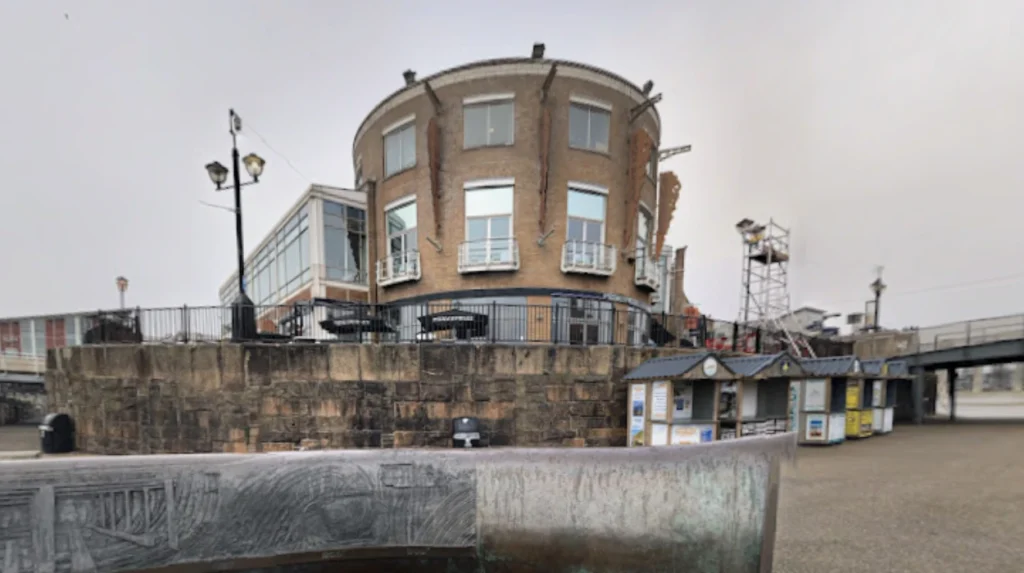
Redevelopment hit hard starting in 1987 with the Cardiff Bay Development Corporation. This massive regeneration turned decaying docks into a tourist hotspot, but it squeezed Butetown into a smaller footprint. Critics argue it created physical and social barriers, isolating the area. Child poverty rates here reached 46% in 2019, the highest in Cardiff, highlighting ongoing struggles.
Past projects like the indoor arena and hotel expansions promised jobs but delivered few to locals. Small businesses run by minority communities suffered as foot traffic shifted to the Bay. This history fuels skepticism toward new infrastructure like the tunnel.
What Are the Tunnel Plans?
The Butetown Link Road, including its tunnel section, traces back to efforts to improve connectivity. The core idea is a 715-meter reinforced concrete tunnel using cut-and-cover methods, plus a 600-meter viaduct over the River Taff estuary. Bridges over Ferry Road would allow multi-level crossings.
Recent notices from Cardiff Council mention temporary closures for tunnel works starting March 2025. These aim to ease congestion between Butetown and central Cardiff, part of broader traffic relief in a growing city. The project builds on a 1990s scheme forced underground after protests against an elevated road that would have loomed over homes.
Proponents highlight how it maintains operations during construction while meeting strict environmental standards. Piles up to 20 meters deep support the structure, designed for urban constraints. If completed, it could cut journey times and support nearby developments like housing and business parks.
Economic Promises and Job Creation
Supporters champion the tunnel for its potential to unlock growth. Cardiff’s population swells with new housing like the 7,000 units at Plasdwr, straining roads. Better links could attract investment, mirroring how the Bay revival drew visitors and firms.
The project echoes nearby approvals, such as the Cardiff Parkway business park and station, greenlit in 2025. That scheme promises 6,000 jobs via a sustainable transport hub. Similarly, tunnel advocates expect over 1,000 construction roles, plus long-term gains from improved access.
Local businesses might thrive with easier customer reach. Think of Butetown’s cafes and shops gaining from reduced bottlenecks. Council data suggests such infrastructure boosts property values by 10-15% in connected areas, aiding homeowners.
Yet, the “why” matters: past Bay projects created jobs, but mostly for outsiders. Locals question if training programs will prioritize Butetown’s youth, who face 46% child poverty. Without targeted apprenticeships, benefits could bypass the community again.
Community Concerns and Divisions
Opposition runs deep, rooted in decades of broken promises. Residents recall the 1980s redevelopment that demolished homes without fair compensation, displacing families. “Butetown is being constrained,” says one councillor, echoing fears of further isolation.
Noise, dust, and disruptions from tunnel works worry many. March 2025 closures will hit small businesses already reeling from post-pandemic recovery. Ethnic minorities, who form Butetown’s core, fear gentrification—higher rents pushing out long-time families, much like cladding scandals left bay residents in unsafe homes.
Health impacts loom large. An elevated road plan was scrapped after campaigns highlighted air pollution risks to children. Today’s tunnel avoids that skyline scar, but construction phases could spike particulates, affecting asthma rates already high in deprived areas.
Divisions split even within Butetown. Younger residents eye jobs and modernity, while elders mourn a lost “racial harmony” era. Community murals and school projects show pride, but fury simmers over perceived neglect.
Environmental and Social Impacts
The tunnel promises greener outcomes long-term. By diverting traffic underground, it could lower emissions in residential zones. Viaducts and bridges use prefabricated beams for efficiency, minimizing site time. This aligns with Welsh Government goals for net-zero infrastructure.
But short-term hits are real. Bored piles and diaphragm walls disrupt soil, risking groundwater near the estuary. Sites of Special Scientific Interest nearby demand mitigation, as seen in Parkway delays until Natural Resources Wales approves offsets.
Socially, it tests Cardiff’s equity. Butetown’s diversity—once a haven of intermarriage and tolerance—now grapples with poverty. Projects must include community funds or housing safeguards. Practical tip: Locals can join consultations via council portals to demand impact assessments.
How does division persist? Developers often prioritize timelines over engagement. Transparent town halls, like those forcing the tunnel design, build trust. Without them, resentment festers, as in recent park sewage uproars where 24/7 works ignored pleas.
Lessons from Past Projects
Cardiff’s infrastructure history offers cautionary tales. The Bay Corporation spent billions but widened divides—psychological barriers persist between Butetown and the glitzy waterfront. Jobs went elsewhere; locals got crumbs.
Cladding crises show councils granting permissions amid scandals, eroding faith. Parkway’s approval came after years of debate, with ecology riders attached. These prove community pressure works—1990s protests buried the road literally.
For residents, key insights: Track planning notices on public portals. Form alliances, as Butetown did historically. Demand apprenticeships tied to contracts. Data shows engaged communities secure 20% more local hires in UK schemes.
Navigating the Debate
Cardiff Council must bridge gaps with facts. Publish phased timelines, air quality models, and job pipelines. Virtual forums suit shift workers in this 24/7 area.
For businesses, diversify now—SEO for “Butetown eats” draws Bay crowds. Homeowners: Check grants for disruption-proofing, like soundproofing.
Divisions reflect broader UK tensions: growth versus heritage. Butetown’s story matters nationally, showing how infrastructure can heal or harm.
The Butetown tunnel embodies Cardiff’s crossroads—vital connectivity clashing with community scars. History warns of gentrification and job exclusion, yet economic upsides and traffic relief tempt progress. Divisions stem from real pains: poverty, isolation, unkept pledges. Success hinges on inclusion—targeted training, green safeguards, open dialogue. As works ramp up in 2025, residents hold power through vigilance. Will this heal Tiger Bay’s wounds or repeat them? Cardiff watches, hoping for unity over an underground divide. Stay engaged; your voice shapes the city’s soul.