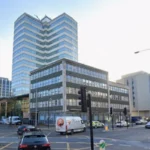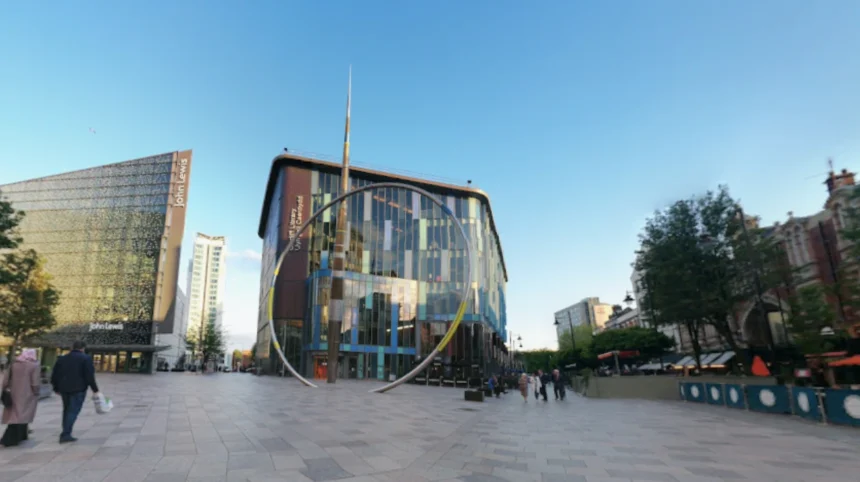
Imagine strolling through Cardiff’s city centre, where derelict industrial sites pulse with new life—gleaming towers rise beside revitalized riverfronts, and green spaces weave through bustling streets. In 2026, Cardiff is undergoing a profound transformation, driven by ambitious regeneration projects that blend modern housing, commercial hubs, and sustainable design. These initiatives, from towering skyscrapers near Principality Stadium to expansive Embankment developments along the River Taff, aim to create a vibrant, liveable core.
- Central Square Tower: Wales’ Newest Skyline Icon
- Embankment Site: A New Suburb by the Taff
- Channel View and Grangetown Revamp
- Central Quay: Skyline Redefinition Post-Brewery
- Five-Year City Centre Action Plan
- Historic Sites Reborn: Howells and Beyond
- Atlantic Wharf and Transport Links
- Economic and Social Ripple Effects
This article dives into the key projects reshaping the area, explaining their scope, timelines, and impacts. We’ll explore how they’re boosting the economy, enhancing connectivity, and prioritizing affordability, offering insights for residents, investors, and visitors. Whether you’re eyeing property or just curious about Cardiff’s future skyline, here’s what makes these efforts timeless cornerstones of urban renewal.
Central Square Tower: Wales’ Newest Skyline Icon
The standout project in 2026 is the REAP 3 development by BlueCastle Capital, a 50-storey build-to-rent tower approved for Central Square next to Cardiff Central Station and Principality Stadium. This will eclipse all existing structures as Wales’ tallest building, housing 528 flats—344 one-beds and 184 two-beds—plus a two-storey pavilion with restaurants and commercial space.
What sets it apart is its “build-to-rent” model, stabilizing the rental market amid rising demand. Developers anticipate construction momentum building this year, with the tower’s height enabling panoramic views that could draw young professionals priced out of buying. The “why” here ties to Cardiff’s housing crunch: the city needs 2,000 new homes annually, and this addresses it without flooding the sales market.
Practically, it enhances footfall around the station, linking seamlessly to transport interchanges. For locals, expect phased disruptions but long-term gains like improved public realm—think wider pavements and cycle lanes already underway in Central Square West.
Embankment Site: A New Suburb by the Taff
South of Cardiff Central and west of Dumballs Road, the 40-acre Embankment site—dormant for 30 years—is morphing into a self-contained suburb. Vastint UK plans 2,500 homes, with 5% affordable, alongside offices, shops, and leisure spots hugging the River Taff’s bend.
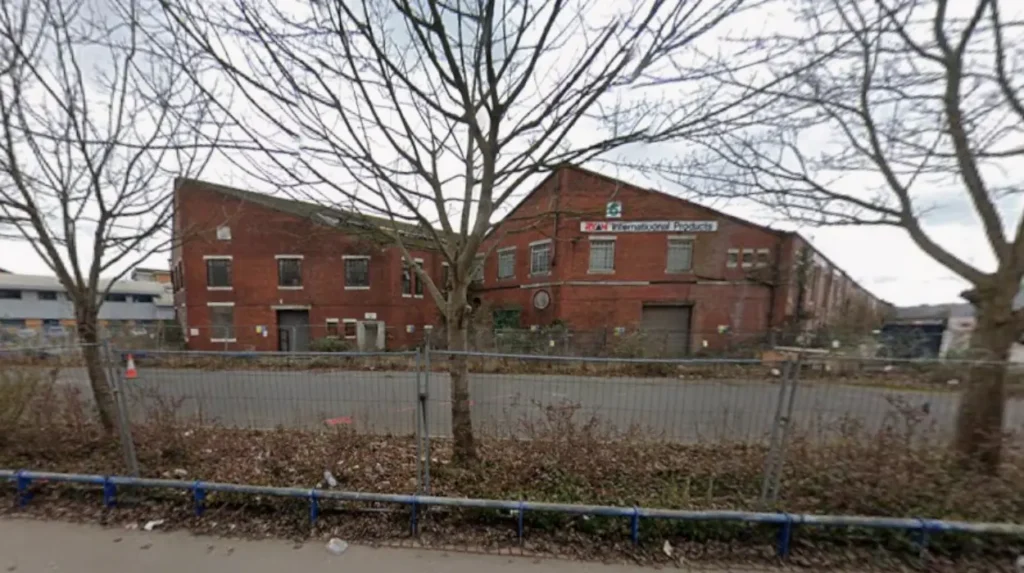
Outline approval came in 2023, and 2026 marks the push toward full plans and groundbreaking. This isn’t just bricks and mortar; it’s strategic flood-resilient design using the river’s natural curve for green corridors, boosting biodiversity in a city centre often criticized for concrete dominance.
Residents like Craig Sutherland voice excitement, seeing it fill a void in family-friendly housing near jobs. Economically, it promises thousands of roles in construction and operations, while infrastructure upgrades—like better roads—ease traffic from Tudor Street to the Bay. Tip for buyers: monitor Vastint’s site for reservation events, as early phases prioritize locals.
Channel View and Grangetown Revamp
January 2026 saw Cardiff Council launch a £110 million tender for Channel View in Grangetown, targeting housing upgrades, public spaces, and community facilities. This ripples into the city centre by improving links to Callaghan Square and beyond, part of a broader spine from Cardiff Castle to the Docks.
The “how” involves partnering with developers for mixed-tenure homes, tackling deprivation while funding via tenders ensures value. Stats show Grangetown’s population could grow 20% by 2030, straining services—this injects schools and clinics early.
For UK readers, it’s a model of inclusive regen: 30% social housing quotas in bids, plus greening to combat urban heat. Investors note rising property values nearby, up 15% since tenders announced, signaling spillover to city centre rentals.
Central Quay: Skyline Redefinition Post-Brewery
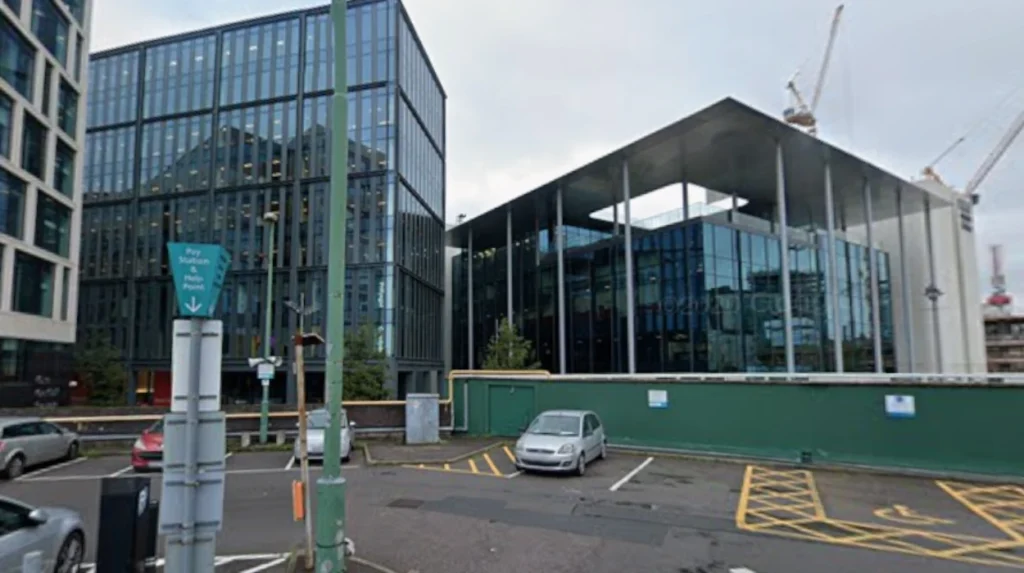
On the former Brains brewery site, Central Quay’s twin towers—interconnected blocks of varying heights—are nearing completion in 2026. They’ll deliver offices, eateries, bars, and a hotel, framing views behind the station.
This masterplan revives a brownfield eyesore, with phased builds minimizing disruption. Why now? Post-pandemic shifts demand hybrid workspaces; these towers offer flexible floors for SMEs, supporting Cardiff’s 9% office vacancy drop.
Practical insight: pedestrian realms here integrate with Wood Street’s new cycle lanes and bus gates, cutting commute times by 10 minutes to the Bay. For businesses, low-cost pods in the mix aid startups, fostering a “smart city” vibe with digital infrastructure pilots.
Five-Year City Centre Action Plan
Overarching it all is Cardiff Council’s five-year blueprint, emphasizing a “curated” centre: clean, green, safe, with nine themes from bio-diverse greenspaces to cultural hubs.
Key moves include regenerating Cardiff Market tied to historic arcades, a “Capital City High Street” greening St Mary Street to Lloyd George Avenue, and flexible workspaces for independents. By 2026, expect art installations and wayfinding enhancing visitor flow—vital as tourism rebounds 12% yearly.
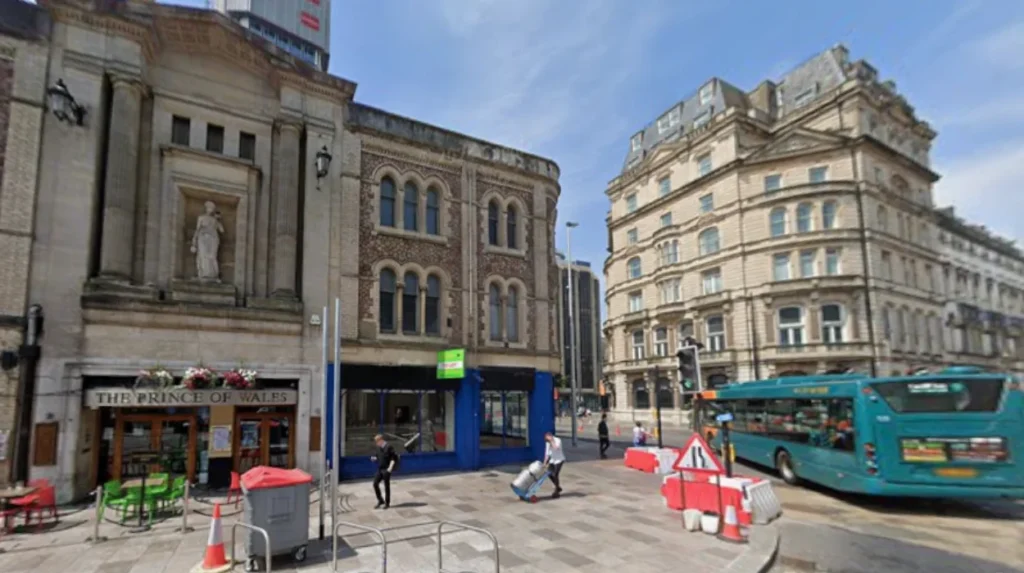
The plan integrates rivers and canals for a “blue city,” with rain gardens in Central Square absorbing floods. How it works: partnerships fund upgrades, like shopfront revamps in conservation areas, preserving heritage while modernizing. Residents gain from events strategies showcasing competitiveness.
Historic Sites Reborn: Howells and Beyond
St Mary Street’s former Howells department store eyes an 11-storey red-brick tower with apartments, offices, restaurants, and bars—plans evolving since 2023.
This balances preservation with density: the tower nods to Victorian facades, ensuring Cardiff’s centre feels authentic amid growth. Economically, it reactivates a prime spot, potentially adding 200 jobs in hospitality.
Tip for locals: join consultations via council portals; input shapes ground-level amenities like pop-up markets, keeping the human scale intact.
Atlantic Wharf and Transport Links
Tied to the centre, Atlantic Wharf’s Phase 1 arena and hotel open in 2026, with a multi-storey car park replacing surface lots. This draws 500,000 visitors yearly, funneling them via enhanced Lloyd George Avenue.
Connectivity shines: City Centre West upgrades Wood Street with stepped cycles, crossings, and bus priority, slashing congestion 15%. Why invest? These links make the core a 15-minute city—walkable to work, play, live.
Economic and Social Ripple Effects
These projects collectively target 10,000 homes and 20,000 jobs by 2030, with £500 million invested. Affordability clauses—5-30% across sites—counter gentrification, while green mandates (e.g., 20% biodiversity net gain) future-proof against climate shifts.
For Cardiffians, property tips: Grangetown buys now yield 8% rental returns; Central Square rentals command premiums. Challenges like construction noise are offset by council apps tracking progress.
Cardiff’s 2026 regeneration weaves bold towers, riverside suburbs, and green spines into a cohesive, thriving city centre. From the 50-storey Central Square icon to Embankment’s 2,500 homes and Channel View’s community uplift, these projects prioritize homes, jobs, and sustainability.
They’re not just builds—they’re responses to housing shortages, post-pandemic vitality, and climate resilience, creating a walkable hub from castle to bay. As a resident or visitor, track council updates or explore sites; the payoff is a city that works harder for its people. Cardiff’s reinvention proves thoughtful urban planning endures, inviting you to shape its next chapter.