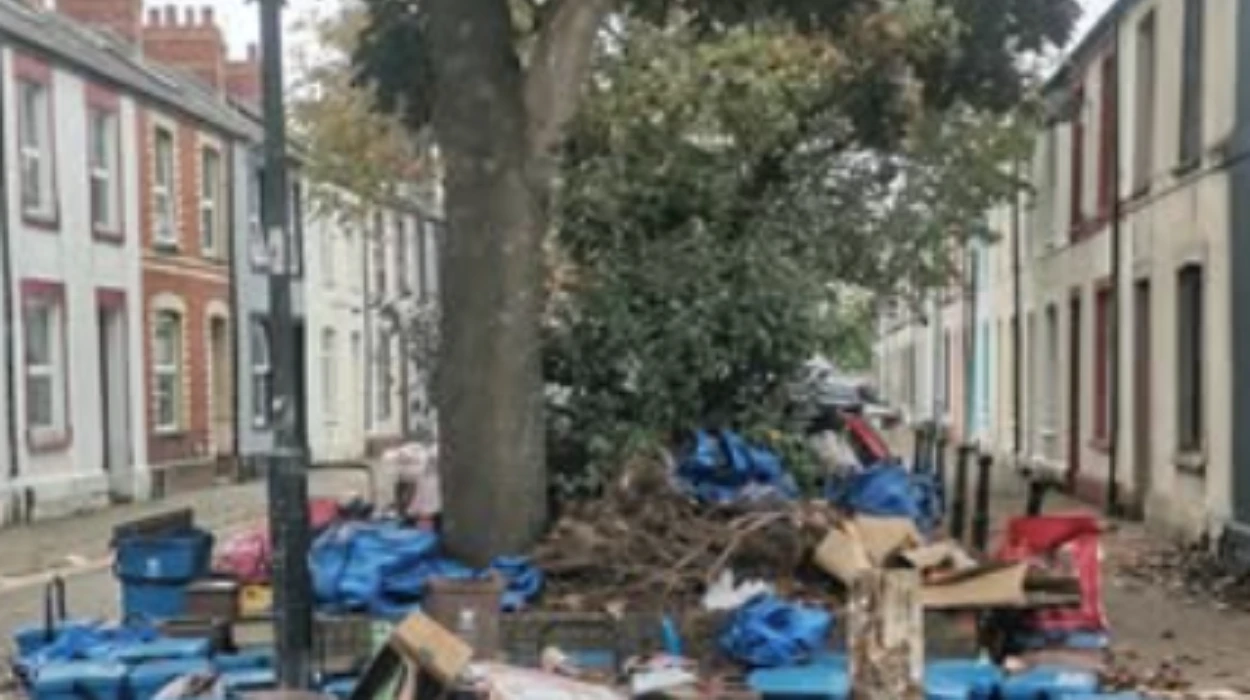
Cathays, a bustling inner-city district in Cardiff, grapples with persistent waste management challenges that affect daily life for its residents. Home to a vibrant student population, young professionals, and families, this area sees high footfall and dense housing, which amplify problems like overflowing bins and littered streets. These issues not only detract from the neighbourhood’s appeal but also pose health and environmental risks, making effective waste strategies essential for long-term improvement.
- Cathays’ Unique Waste Pressures
- Common Waste Problems in Cathays Streets
- Cardiff Council’s Waste Collection Framework
- Root Causes Behind Cathays’ Waste Woes
- Environmental and Health Impacts of Poor Waste Management
- Community Initiatives Driving Change
- Practical Tips for Cathays Residents
- Council Strategies and Future Improvements
- Role of Businesses in Cathays Waste Reduction
- Sustainable Living Habits for Lasting Impact
- Measuring Progress in Cathays Waste Management
- Building a Cleaner Cathays Together
Cathays’ Unique Waste Pressures
Cathays sits just north of Cardiff city centre, encompassing residential streets lined with Victorian terraces, student accommodations, and community hubs like Cardiff University buildings. The area’s high population density, with thousands of households in a compact space, generates substantial waste volumes daily. Students and transient renters often contribute to irregular bin usage, as busy schedules lead to missed collections or improper sorting.
Local waste pressures stem from a mix of factors. High turnover in rental properties means inconsistent participation in recycling schemes, while narrow streets complicate large bin placements. Commercial spots, such as shops along Woodville Road and Albany Road, add food waste and packaging that strains public bins. Historical data from council reports highlight Cathays as a hotspot for complaints, with fly-tipping incidents rising during term ends when students vacate.
Environmental impacts are notable too. Uncollected waste attracts pests, pollutes waterways like the Rhymney River nearby, and contributes to Cardiff’s broader carbon footprint. In a city pushing for net-zero goals, Cathays’ challenges underscore the need for targeted interventions that balance urban living with sustainability.
Common Waste Problems in Cathays Streets
Overflowing bins dominate Cathays’ waste narrative, particularly around shared student houses on Cathays Terrace and Maindy Road. Public bins in parks like Roath Pleasure Gardens extension areas fill rapidly during weekends, spilling rubbish onto pavements. Residents report black bags piling up, especially on collection days like Wednesdays, when delays from high demand cause backups.
Fly-tipping exacerbates the issue, with illegal dumping of furniture, mattresses, and builder waste in back lanes and alleyways. Hotspots include areas near Maindy Depot and behind university halls, where bulky items accumulate after move-out seasons. This not only creates eyesores but also incurs council cleanup costs exceeding thousands annually for the ward.
Littering compounds these problems, with fast-food wrappers, bottles, and cigarette butts littering streets like Senghennydd Road. Windy conditions scatter debris, while poor enforcement allows the cycle to persist. These visible issues erode community pride, deterring visitors and impacting local businesses reliant on foot traffic.
Cardiff Council’s Waste Collection Framework
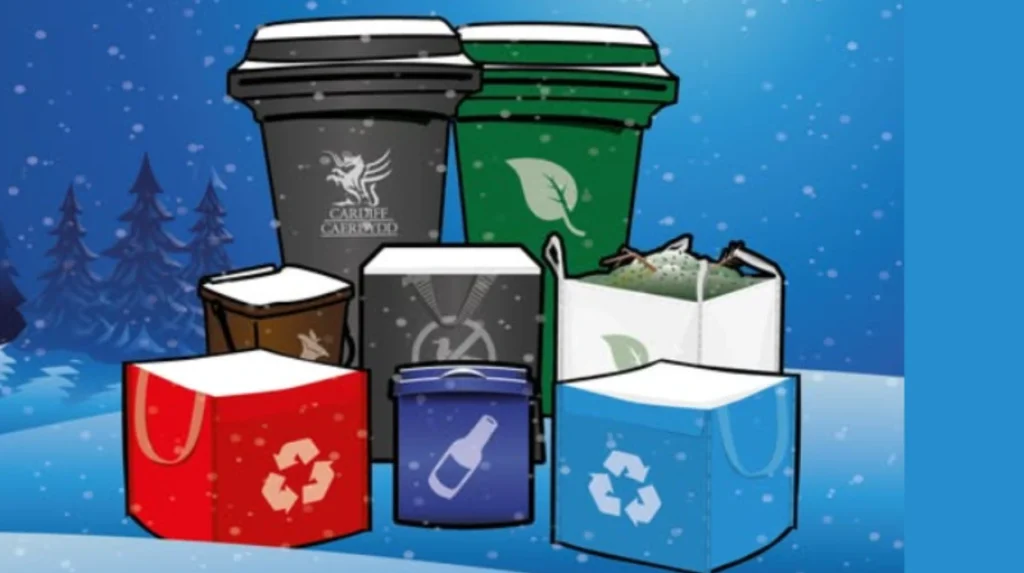
Cardiff Council manages waste through a fortnightly system, alternating general waste (black bins) with recycling (blue bags or boxes). In Cathays and neighbouring Plasnewydd, new containers have rolled out to boost recycling rates, including segregated bags for paper, plastics, and food waste. Collections occur weekly for food bins, with residents urged to present them by 6am—or from 4:30pm the prior evening.
The council provides digital tools like the Cardiff Gov app for reminders, nearest recycling point locators, and fly-tipping reports. Mobile recycling centres occasionally visit, such as partnerships with Cardiff University at Haydn Ellis car park off Maindy Road, accepting textiles, batteries, and small electronics. Official sites emphasise food waste liners available at local stockists to encourage participation.
Despite these efforts, capacity strains in Cathays lead to missed collections. Council data shows recycling rates hovering around 60-65% citywide, but lower in student-heavy wards due to contamination—wrong items in bags result in entire loads being rejected.
Root Causes Behind Cathays’ Waste Woes
Population dynamics play a central role. Cathays hosts over 20,000 residents, swelled by 15,000+ students from Cardiff University and Cardiff Metropolitan University. This demographic shift peaks in autumn and summer, overwhelming infrastructure designed for smaller households.
Infrastructure limitations add to the strain. Narrow Victorian streets limit bin lorry access, forcing manual collections that slow operations. Shared bins for multiple flats often overflow, as landlords provide minimal facilities to cut costs. Economic factors, like poverty in pockets of Cathays, mean some residents lack vehicles for trips to Household Waste Recycling Centres (HWRCs) at Bessemer Close or Lamby Way.
Behavioural patterns contribute significantly. Surveys indicate low awareness of sorting rules among newcomers, with only half of students separating recyclables correctly. Pandemic-era habits linger, reducing kerbside participation, while nightlife around Crwys Road generates late-night litter.
Environmental and Health Impacts of Poor Waste Management
Unchecked waste in Cathays harms the local ecosystem. Plastics and organics leach into soil and drains, contaminating groundwater and harming Roath Park’s wildlife downstream. Cardiff’s gull population thrives on scraps, spreading litter further and posing hygiene risks.
Health concerns are immediate. Overflowing bins foster rats and foxes, increasing disease vectors like leptospirosis. Respiratory issues rise from dust and mould in piled rubbish, particularly affecting children and elderly in terraced homes. The NHS Wales reports higher minor ailment visits in dense urban wards like Cathays during peak waste seasons.
Long-term, these issues hinder Cardiff’s green ambitions. The city’s Waste Strategy aims for 70% recycling by 2030, but Cathays’ shortfalls drag progress. Poor waste habits also inflate council taxes, as emergency cleanups divert funds from parks and roads.
Community Initiatives Driving Change
Local groups like Keep Cardiff Tidy partner with universities for cleanups and mobile recycling events, targeting Cathays’ student population. Events at university car parks collect hard-to-recycle items, reducing fly-tipping by 20% in trial periods. Volunteers distribute liners and educate on bin tags.
Resident associations on platforms like Cathays Community Facebook groups organise street sweeps, fostering pride. Successful pilots, such as communal food waste hubs in Plasnewydd, show potential for Cathays’ HMOs (Houses in Multiple Occupation). These grassroots efforts complement council services, building habits that endure beyond campaigns.
Private firms offer commercial collections for Albany Road cafes, easing public bin pressure. Waste Managed tailors skips and segregations for businesses, promoting zero-landfill goals aligned with Welsh Government mandates.
Practical Tips for Cathays Residents
Maximise space by flattening boxes and rinsing containers before bagging—prevents contamination rejections. Use council apps for schedules; set notifications to avoid misses. For bulky waste, book free HWRC slots online, prioritising weekdays to dodge queues.
Combat fly-tipping by reporting via the app with photos—council responds within 48 hours. Students, coordinate with flatmates via shared calendars for bin rotations. Landlords must provide adequate bins per tenancy; request upgrades if shared facilities fail.
Shop smarter: Opt for loose produce to cut packaging, and support zero-waste stores on City Road. Home composting suits gardens on quieter streets, diverting organics from bins.
Council Strategies and Future Improvements
Cardiff’s upcoming Waste Plan invests in larger vehicles for Cathays’ tight roads and AI-monitored bins to predict overflows. Expanded HWRC hours at Lamby Way (7:30am-6:30pm daily in summer) ease access. Enforcement ramps up with fines for fly-tipping up to £1,000, backed by CCTV in hotspots.
Welsh Government pushes circular economy via subsidies for community recycling points. Cathays could see pod systems—centralised banks with compactors—for high-density zones. Trials in similar wards show 15% uplift in diversion rates.
Digital integration grows, with apps linking to smart bins for real-time fullness alerts. Partnerships with universities embed waste education in freshers’ weeks, targeting long-term behaviour.
Role of Businesses in Cathays Waste Reduction
Shops and eateries on Crwys Road generate significant waste, but many adopt rear collections to spare streets. Firms like Waste Managed provide audited services, ensuring compliance with commercial recycling laws—95% diversion mandatory.
Cafes introduce reusable cup schemes, cutting disposable volumes. Pubs segregate glass on-site, supplying council banks directly. These steps not only reduce public litter but boost eco-credentials, attracting green-minded customers.
Sustainable Living Habits for Lasting Impact
Embrace minimalism: Repair before replace to lessen bulky waste. Join repair cafes at Cathays library for electronics and furniture fixes. Track personal waste via apps to identify reductions—like ditching single-use bags.
Advocate locally: Attend ward forums to push for more bins. Support petitions for Cathays-specific mobile centres year-round. Collective action amplifies voices, securing resources.
Measuring Progress in Cathays Waste Management
Metrics show gradual wins: Council reports note 10% fewer complaints post-container upgrades. Recycling tonnage rises with education drives. Visual audits via Keep Cardiff Tidy reveal cleaner streets during off-peak.
Challenges persist, but data-driven tweaks—like route optimisations—promise efficiency. Residents tracking via postcode checkers contribute to accurate stats, guiding investments.
Building a Cleaner Cathays Together
Cathays’ waste issues reflect urban pressures but yield to informed action. By blending council infrastructure, community zeal, and personal responsibility, the district can evolve into a model of sustainable city living. Persistent efforts ensure streets stay welcoming, preserving Cathays’ community spirit for generations.