Education in Cardiff has long been a cornerstone of the city’s identity, blending a rich historical legacy with modern innovation to serve a diverse population. From its early church-led beginnings to today’s world-class universities, Cardiff’s educational landscape continues to evolve, offering opportunities that attract students globally while supporting local communities.
- Historical Foundations of Learning
- 19th Century Expansion and Reforms
- 20th Century Developments and Policy Shifts
- Primary and Secondary Schools Today
- Higher Education Excellence
- Vocational and Further Education
- Inclusive Education Initiatives
- Educational Attainment and Challenges
- Adult Learning and Community Programs
- Future Directions in Cardiff Education
- Impact on Local Economy and Society
Historical Foundations of Learning
Cardiff’s educational story traces back over a millennium, rooted deeply in religious institutions that shaped early learning across Wales. In the 10th century, Bishop Bledri of Llandaff mandated priests to establish schools tied to churches, focusing primarily on religious instruction in the Welsh language. This initiative, continued by successors like Bishop Joseph, ensured that basic education persisted through turbulent times, including the Norman Conquest, laying groundwork for community-based schooling.
By the 12th century, figures like Geoffrey of Monmouth, associated with Llandaff Cathedral, contributed to scholarly pursuits, though formal structures remained informal. A significant development occurred around 1470 when Sir David Mathew endowed funds for a free school accommodating up to 20 poor children, operating for over a century until disruptions under Edward VI. Records from the 18th century confirm the school’s revival, with William Morgan appointed as master in 1716 and facilities rebuilt by 1727 above the Cathedral Chapter House.
The 18th century saw a surge in charitable efforts, exemplified by Reverend Griffith Jones’s circulating schools, which by 1761 numbered nearly 3,500 across Wales. These institutions taught reading of religious texts to adults and children alike, emphasizing Welsh literacy. The Welsh Sunday School movement, led by Thomas Charles of Bala, further amplified this by the mid-1700s, becoming a dominant force for moral and basic education in areas like North Cardiff.
19th Century Expansion and Reforms
The Victorian era marked a pivotal shift toward structured public education in Cardiff, driven by industrialization and population growth. The 1870 Education Act prompted the election of Cardiff’s first School Board in 1875, which rapidly constructed facilities to meet rising demand. The initial Board School opened in 1878, followed by 14 more over two decades, alongside a Higher Grade School catering to advanced pupils.
Voluntary schools, often Anglican, Roman Catholic, or Wesleyan, complemented these efforts, adding 19 institutions during the same period. Cardiff’s Irish immigrant community necessitated six Catholic schools, reflecting demographic diversity. Each major school typically divided into separate boys’, girls’, and infants’ departments, effectively multiplying the network to nearly 100 educational sites by 1896.
The 1891 Education Act made elementary education free, alleviating financial barriers and boosting enrollment. This era transformed Cardiff from church-dependent learning to a hybrid system blending state oversight with voluntary contributions, setting the stage for comprehensive coverage amid urban expansion.
20th Century Developments and Policy Shifts
Post-World War II reconstruction influenced Cardiff’s education profoundly, as outlined in local committee minutes from 1944 to 1970. The 1944 Education Act emphasized secondary schooling, prompting investments in grammar and comprehensive models. Cardiff’s Education Committee navigated funding challenges, building modern facilities while transitioning from selective to inclusive systems.
By mid-century, the city prioritized technical and vocational training to support its port economy and emerging industries. Higher education gained momentum with the establishment of institutions that would evolve into key universities. Local history initiatives, like those preserved in community hubs, highlight how schools integrated Cardiff’s heritage into curricula, fostering civic pride.
Devolution in 1999 transferred education powers to Wales, allowing Cardiff to tailor policies under the Welsh Government. This included Welsh-medium education expansion and pupil support reforms, ensuring alignment with national standards while addressing urban needs.
Primary and Secondary Schools Today
Cardiff boasts over 130 primary schools and 20 secondary schools, serving approximately 50,000 pupils under Cardiff Council oversight. State-funded options dominate, with many rated “excellent” by Estyn, Wales’s inspectorate, for pupil progress and wellbeing. Schools like Ysgol Gymraeg Nant Caernarfon exemplify Welsh immersion success, where over 20% of pupils study through the medium of Welsh.
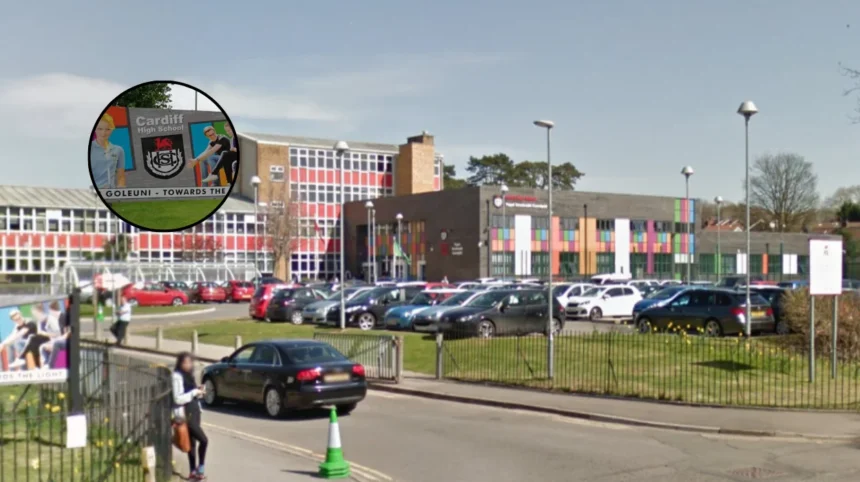
Diversity defines the sector: faith schools such as St. Teilo’s Church in Wales High School integrate spiritual values with rigorous academics, while comprehensives like Cardiff High emphasize STEM and arts. Inclusion policies support special educational needs through units in mainstream settings and dedicated schools like Cardiff West Community High.
Parental choice drives enrollment, with catchment areas balanced by faith and language priorities. Recent data shows 95% attendance rates pre-pandemic, recovering strongly, underscoring resilience.
Higher Education Excellence
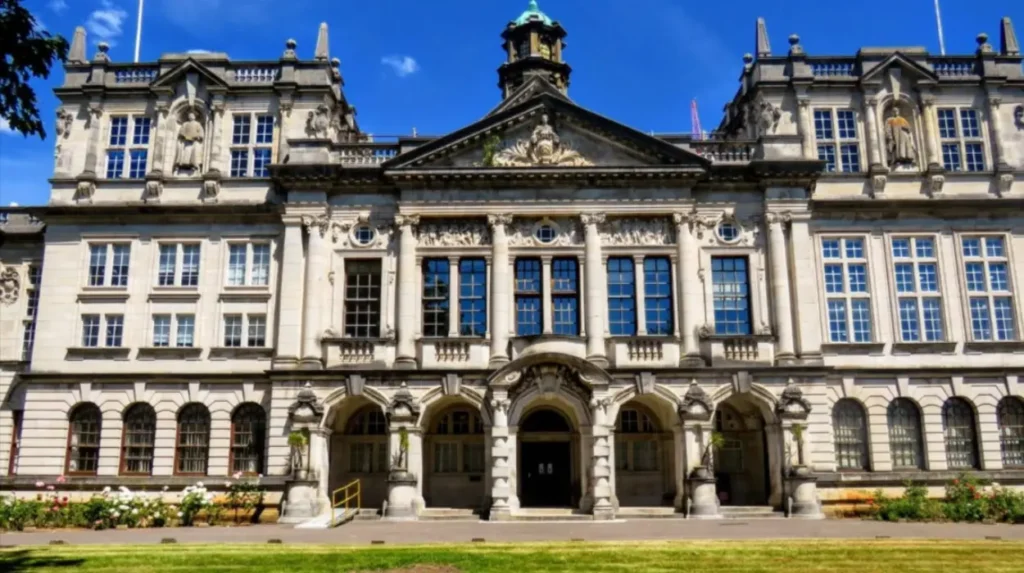
Cardiff’s universities anchor its status as an educational hub. Cardiff University, founded as University College South Wales and Monmouthshire in 1883, now ranks among the UK’s top 10 research-led institutions, with over 33,000 students across disciplines from medicine to journalism. Its research impact spans global challenges like sustainable energy and public health.
Cardiff Metropolitan University specializes in health, sport, and education, tracing roots to 19th-century teacher training colleges. Cardiff’s creative edge shines at the University of South Wales (Cardiff Campus), focusing on media and design. Collectively, these institutions contribute £4 billion annually to the economy, hosting 10,000 international students.
Postgraduate and lifelong learning thrive via part-time degrees and online programs, catering to working professionals. Rankings like QS World University affirm Cardiff’s appeal, with employability rates exceeding 95%.
Vocational and Further Education
Cardiff and Vale College leads further education, offering apprenticeships, BTECs, and A-levels to 20,000 learners yearly. Partnerships with industries ensure curricula align with job markets in tech, construction, and hospitality. T Levels, introduced recently, provide high-quality technical routes equivalent to three A-levels.
Community hubs like the Local History Hub integrate vocational training with cultural education, preparing youth for local histories and digital skills. Adult education via Learn Welsh initiatives promotes lifelong access, with free courses boosting literacy and integration.
Inclusive Education Initiatives
Cardiff champions accessibility, with the Additional Learning Needs (ALN) Transformation Programme supporting over 5,000 pupils. Mainstream integration pairs with specialist provisions like Ysgol Y Deri for severe learning difficulties. Mental health hubs in every secondary school address wellbeing post-COVID.
Bilingual policies extend to 33 Welsh-medium primaries, preserving culture while enhancing cognitive benefits. Anti-poverty measures, including free school meals for eligible families, mitigate economic barriers.
Educational Attainment and Challenges
Pupils outperform Welsh averages in GCSEs and A-levels, with 25% achieving top grades in core subjects. PISA scores reflect strengths in reading and science, though math lags slightly. University progression rates hit 40%, above national figures.
Challenges persist: funding pressures strain resources, and urban deprivation affects 20% of schools. Teacher recruitment incentives and digital infrastructure investments aim to bridge gaps.
Adult Learning and Community Programs
Libraries like the Central Library offer free workshops, coding clubs, and ESOL classes for immigrants. Cardiff Adult Community Learning serves 10,000 annually, focusing on employability and digital literacy. University outreach engages non-traditional learners via access courses.
Cultural programs, such as those at Llandaff Cathedral’s historical site, blend heritage with skills training, enriching community bonds.
Future Directions in Cardiff Education
Strategic plans emphasize sustainability, with net-zero school builds and green curricula. AI integration and hybrid learning models prepare students for 2030 job markets. Welsh Government funding boosts STEM hubs, targeting gender balance in tech.
International collaborations expand exchange programs, while local partnerships with businesses like Admiral Insurance guarantee work placements. Cardiff’s vision positions education as a driver for inclusive growth.
Impact on Local Economy and Society
Education fuels Cardiff’s prosperity, with graduates filling roles in finance, tech, and creative industries. The “Cardiff Capital Region” leverages university R&D for innovation clusters. Social mobility improves via scholarships and mentoring, reducing inequality.
Families benefit from high-quality childcare and wraparound care, supporting workforce participation. The sector’s vibrancy draws tourism, from university open days to historical school tours.
Cardiff’s educational journey from monastic origins to a modern powerhouse exemplifies resilience and adaptation. Its commitment to equity, excellence, and innovation ensures enduring relevance for generations, solidifying its role as Wales’s learning capital.
What is Cardiff University best known for?
Cardiff University is best known for its world-class research, strong reputation in subjects like medicine, engineering, journalism, and business, and its membership in the prestigious Russell Group of UK universities.