In July 2024, a high‑profile police operation in Fairwater, Cardiff, highlighted the area’s ongoing struggle with drugs and organised crime. Officers from South Wales Police executed a warrant‑led raid on a residential property linked to a suspected Cardiff‑based drug network, seizing cash, mobile phones, and evidence tied to a major cocaine supply chain. This explains what the Fairwater police raid was, what criminal charges emerged from it, and how these operations affect local communities. It also sets out practical information for anyone who lives in, or near, an area targeted by police raids, including how to understand what a charge means and what to do if you or someone you know is involved.
- What Happened in the Fairwater Raid?
- What Charges Were Brought?
- How Do These Charges Affect the Community?
- Why Are Conspiracy Charges Common After Raids?
- Practical Advice If You Live Near a Raided Property
- What Residents Can Expect After Charges Are Brought
- How Similar Raids Fit Into Cardiff’s Wider Crime Picture
- How to Stay Informed Without Overreacting
What Happened in the Fairwater Raid?
The raid in Fairwater formed part of a wider crackdown on Class A drug dealing across Cardiff. Police had been monitoring a man believed to be importing multi‑kilogram quantities of cocaine into the city, using the Fairwater address as a central hub for distribution. Armed officers and local neighbourhood teams executed a warrant at the property, forcing entry after attempts to dispose of evidence from inside the house. Video footage released by South Wales Police shows the suspect attempting to throw mobile phones out of an upstairs window as officers pushed through the front door.
Inside the property, officers recovered not only the phones and associated SIM cards—who carried crucial communications about drug deals—but also cash and other items linked to the suspected supply operation. The raid was framed by police as a major disruption to a well‑organised street‑level network whose activities had long been reported by residents as a source of nuisance, intimidation, and concern in the neighbourhood.
What Charges Were Brought?
From the Fairwater raid and related investigations, the principal suspect was charged with serious drug‑supply offences. Court reporting and police statements indicate he faced charges connected to possession of cocaine with intent to supply and conspiracy to supply controlled drugs within Cardiff. These are not minor traffic‑style offences. Under the Misuse of Drugs Act 1971, possessing a Class A drug with intent to supply can carry a maximum sentence of life in prison, while conspiracy to supply is treated just as seriously because it reflects planning and coordination across a criminal network.
In a closely linked case involving another Cardiff‑based network, individuals connected to properties in Fairwater were charged with conspiracy to supply crack cocaine and heroin. They appeared at Cardiff Magistrates’ Court shortly after the raids in the area, and those cases were then sent to Cardiff Crown Court for trial. In practice, the pattern emerging from Fairwater‑related operations is that people are typically charged with possession of Class A drugs with intent to supply, conspiracy to supply Class A drugs, and possession of criminal property or money‑laundering‑linked offences when large sums of cash are seized. These charges are designed to target not only street‑level dealers but also those planning, financing, or coordinating the supply.
How Do These Charges Affect the Community?
High‑profile raids and the subsequent laying of serious charges can feel shocking, but they also illustrate a broader pattern in neighbourhoods like Fairwater. Local police updates show that residents have repeatedly flagged drug dealing and related crime as a top concern, prompting targeted operations and “positive” disrupted‑activity reports from the Fairwater Neighbourhood Policing Team. When police publicly detail charges such as conspiracy to supply crack cocaine and heroin, the message is twofold. First, it signals that the force is treating organised dealing as a priority, not just isolated incidents. Second, it aims to reassure locals that visible nuisance and risk—such as dealing near schools, bus stops, or housing estates—is being actively pursued.
At the same time, residents may feel uneasy. The presence of armed officers, noise, and the knowledge that neighbours are under investigation can raise anxiety. Local guidance from South Wales Police encourages people to report ongoing concerns through proper channels, such as the non‑emergency number or online reporting, so that officers can gather evidence systematically without relying solely on dramatic‑looking raids. This helps maintain community safety while reducing the sense of unpredictability that can otherwise accompany high‑profile operations.
Why Are Conspiracy Charges Common After Raids?
One question local residents often ask is why people are charged with conspiracy to supply rather than just simple possession. The answer lies in how organised crime networks operate and how prosecutors build cases. In a typical drug network, different individuals arrange the purchase of bulk drugs outside Cardiff, transport them into the city, store them in a “safe” house, pack smaller quantities for street‑level dealers, and collect and launder the proceeds. Legally, if two or more people agree to carry out a criminal act—in this case, supplying Class A drugs—they can all be charged with conspiracy, even if the final deal is never completed.
This approach allows the Crown Prosecution Service to target organisers, coordinators, and financiers, not only the person caught at the scene of a raid. For someone living near a raided property, this can mean that charges are brought against several people over weeks or months, not just one person the morning after the raid. That is also why police often refer to “networks” or “gangs” rather than single offenders, underscoring the scale and coordination behind the activity.
Practical Advice If You Live Near a Raided Property
If your street, block, or road has been the focus of a police raid, it is normal to have questions. The first step is to check the South Wales Police “Neighbourhood Policing Team” page for your area. For Fairwater, this includes updates on ongoing operations, local priorities, and contact details for local officers. These updates can help you separate media hype from concrete facts, especially around what charges have actually been brought and how the investigation is progressing.
Second, if you see behaviour that worries you—strange comings and goings, people hanging around at odd hours, or suspected drug activity—report it through official channels. Using the police non‑emergency number or the online reporting system, and specifying the location, time, and what you observed, gives officers the kind of detail needed to build evidence that can lead to charges, not just arrests. Third, if someone you know is arrested or charged following a raid, encourage them to seek legal advice quickly. Charges such as conspiracy to supply Class A drugs attract long sentences, and early representation can affect bail decisions, disclosure, and plea options.
Finally, remember that a raid does not automatically mean every resident is involved. Police focus on specific lines of evidence, and many people living nearby are simply caught up in the disruption. Keeping communication open with local officers and community groups can help reduce stigma and foster a safer environment over time, without turning suspicion toward neighbours without cause.
What Residents Can Expect After Charges Are Brought
Once individuals are charged, the process moves through the courts. For offences linked to Fairwater‑area operations, people have appeared at Cardiff Magistrates’ Court for initial hearings, then had their cases transferred to Cardiff Crown Court for trial or sentencing. At Crown Court, the sentences can be substantial. In recent operations targeting Cardiff‑based drug networks, total sentences have reached 50 years or more for multiple defendants, reflecting how seriously the courts treat Class A supply and conspiracy charges.

From a local‑residents’ perspective, this means visible police activity may decrease in the short term as the network is disrupted. However, new or smaller‑scale dealing can emerge if the underlying demand and local vulnerabilities remain unaddressed. Community‑based prevention work—such as youth services, housing support, and local policing priorities—becomes more critical once the big headlines fade. Police and local authorities often emphasise that operations like the Fairwater raid are one part of a longer‑term strategy, not a one‑off “quick fix,” and that sustained community engagement is essential for lasting change.
How Similar Raids Fit Into Cardiff’s Wider Crime Picture
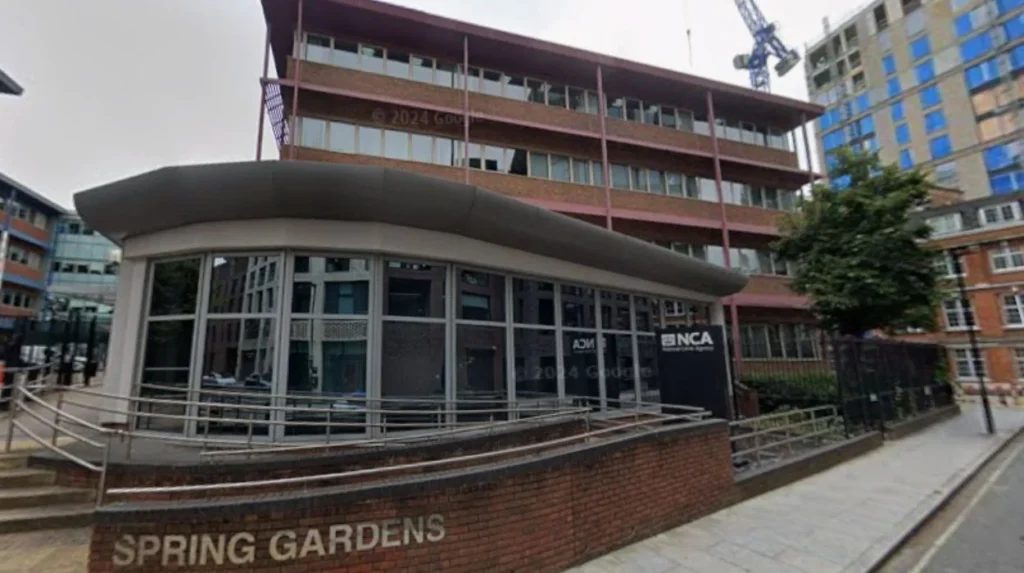
The Fairwater raid did not happen in isolation. It forms part of a broader pattern of police operations across Cardiff and the Vale of Glamorgan, where organised crime units, neighbourhood teams, and the National Crime Agency have jointly targeted high‑value theft, money laundering, and drug‑related offences. Recent sweeps in the region have seen over 30 people arrested in a single‑day operation across Cardiff and the Vale, including for shoplifting, violence, and existing warrants. Large‑scale drug networks in Cardiff have also been dismantled through coordinated raids, leading to dozens of arrests and multi‑year sentences.
These operations are often necessary because drug networks use dispersed locations, frequently rotating houses or using “safe” addresses such as Fairwater properties to avoid detection. Charges are then brought wherever the evidence points, not just where the initial raid occurs. For residents, this means that high‑profile cases like the Fairwater raid are both a response to local concern and a strategic move to weaken wider networks that extend beyond any single street.
How to Stay Informed Without Overreacting
Media coverage of raids and charges can be dramatic, but it is important to read between the lines. Headlines focusing on “major drug raids” and “conspiracy charges” may not always explain the full context, such as the scale of the network, the length of the investigation, or the final outcomes in court. A balanced approach for residents includes checking official South Wales Police and local authority updates for accurate, non‑sensationalised information, avoiding assumptions about guilt until cases are concluded, and remembering that a charge is not the same as a conviction.
Paying attention to long‑term outcomes, such as sentence lengths and whether the disruption to local dealing is sustained, can give a clearer picture than isolated headlines. By staying informed through reliable sources, people in Cardiff—and especially in areas like Fairwater—can separate alarm‑driven noise from the real impact of police operations and the legal consequences for those charged.
The Fairwater police raid in Cardiff was a focused operation against a suspected Class A drug network, leading to the arrest of key suspects and charges including possession of cocaine with intent to supply and conspiracy to supply crack cocaine and heroin. These charges reflect not isolated incidents but coordinated dealing that can affect entire neighbourhoods through nuisance, intimidation, and associated crime.
For residents, understanding what these charges mean—both legally and in practical terms—can help them make sense of raids in their area and respond constructively. By reporting concerns, staying informed through official channels, and supporting community‑level prevention, people in Cardiff can contribute to a safer environment long after the headlines fade. If you live near a raided property or are following a case linked to Fairwater, remember that while the legal process can feel distant, it has real consequences for safety, trust, and the future of your local community.