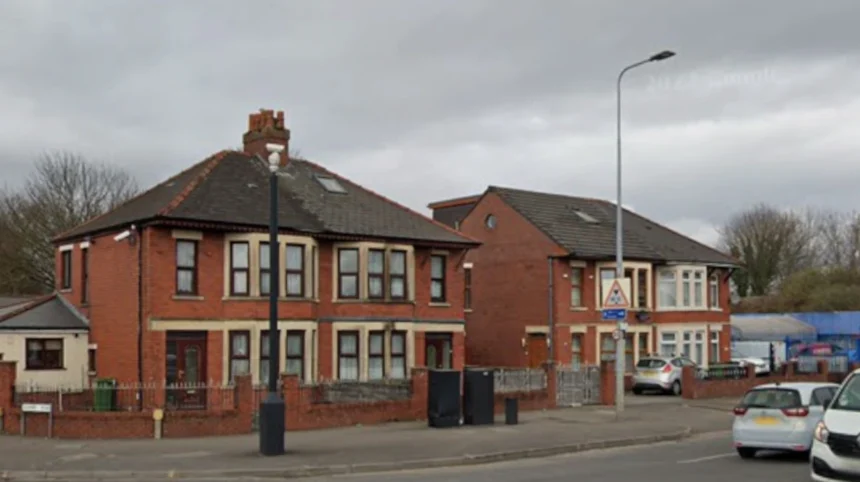
If you live in, work in, or simply care about Grangetown, Cardiff, you’ve likely noticed how fast the neighbourhood is changing. New homes are going up, local clubs are reopening refitted spaces, and community projects are bubbling through the streets. At the same time, residents are asking sharper questions about safety, policing, and what “local change” really means for everyday life.
- What’s happening in Grangetown right now?
- Policing in Grangetown: current priorities
- Crime, safety, and community perceptions
- Regeneration and its impact on policing
- Community initiatives that support safety
- Practical tips for residents
- How to stay informed and involved
- Moving forward: safety, community, and change
This article brings together the latest policing developments, community‑led initiatives, and practical advice for anyone living in or near Grangetown. We’ll look at how crime and anti‑social behaviour are being managed, how regeneration is reshaping the area, and what you can do—personally and collectively—to help keep Grangetown safer and more connected over the long term.
What’s happening in Grangetown right now?
Grangetown remains one of Cardiff’s most densely populated and culturally diverse communities, sitting just south of the city centre with strong links to Canton, Riverside, and Butetown. Recent news has centred on both loss and renewal: a tragic road‑traffic collision involving a young cyclist on Penarth Road, alongside major regeneration plans for the Channel View estate, which includes hundreds of new energy‑efficient homes and upgraded public spaces.

At the same time, local community groups continue to open new facilities such as the recently refurbished community kitchen at the Grangetown Boys and Girls Club, which now hosts cooking sessions, healthy‑eating projects, and intergenerational activities. These projects are especially important in an area often described as one of the least advantaged in Cardiff. Together, that blend of policing activity, infrastructure change, and grassroots work sets the backdrop for how residents experience safety and community day to day.
Policing in Grangetown: current priorities
South Wales Police treat Grangetown as part of Cardiff’s wider city‑centre policing area, which means resources are often shared between Grangetown, Riverside, and Canton. Recent operations have focused on several key issues: road safety around the busy Penarth Road corridor, anti‑social behaviour near late‑night venues, and targeted responses to drug‑related activity.
After the fatal collision involving a 16‑year‑old cyclist on Penarth Road in March 2026, the junction of Penarth Road and Clare Road was placed under a lengthy forensic lockdown, and officers launched a full investigation including calls for dash‑cam and CCTV footage. The incident has prompted renewed local debate about cycling safety and whether speed limits, signage, and crossings around schools and busy intersections are fit for purpose. Police have also reminded the public not to share graphic or speculative footage of the crash online, stressing that such material can cause distress and potentially compromise investigations.
Alongside road‑safety work, South Wales Police continue to run problem‑solving initiatives in collaboration with Cardiff Council and the Community Safety Partnership. These projects often involve hotspot patrols around known trouble spots, such as certain streets and junctions where anti‑social behaviour or low‑level crime has been reported. The force also participates in Cardiff’s wider “Cardiff Model” for violence prevention, which uses anonymised hospital and police data to understand where and when assaults tend to occur, then tailors policing and environmental changes accordingly.
Crime, safety, and community perceptions
Measuring crime in Grangetown is tricky, because it sits inside a larger policing zone and not all statistics are broken down to street‑level detail. However, data from local councils and police‑led partnerships show that Cardiff as a whole has seen a long‑term reduction in certain types of violent crime, partly due to the Cardiff Model and related prevention strategies.
Within that broader picture, residents in Grangetown continue to raise concerns about a few specific issues. First is the perception of anti‑social behaviour around certain streets and night‑time economy hotspots, including late‑night noise, alcohol‑related disturbance, and occasional disorder linked to pubs and clubs. Second, there are ongoing worries about drug‑related activity in and around certain residential areas, which can affect how safe people feel when walking home at night or letting children play outside.
Community safety strategies in Cardiff often distinguish between “street‑based lifestyles” (including homelessness, substance‑use issues, and mental‑health‑related problems) and “local problem‑solving” around anti‑social behaviour. In Grangetown, this means police and council officers work with partner agencies to offer support, not just enforcement. For example, regular outreach by Street Triage mental‑health teams operates alongside targeted patrols in areas where substance misuse and rough sleeping cluster. The idea is to reduce harm and prevent escalation, rather than simply moving problems from one street to another.
Regeneration and its impact on policing
One of the biggest stories shaping Grangetown over the next few years is the regeneration of the Channel View estate. Approved plans for the area foresee the construction of 228 new homes, delivered in six main phases, with a seventh phase focused on improving The Marl, a public open space often used by families and young people.
From a policing and safety perspective, large‑scale regeneration can create both challenges and opportunities. Construction activity can attract theft, vandalism, and other opportunistic offences around building sites if security is not tight. At the same time, the new homes and public spaces offer a chance to embed better lighting, CCTV, and safer street design from the outset. Planners and police typically work together on these projects to ensure that new developments include “hostile‑to‑crime” features, such as clear sightlines, well‑lit pathways, and secure access points.
Residents sometimes worry that regeneration will change the character of Grangetown or push long‑standing communities out. Local authorities have stressed that the Channel View plans aim to keep existing residents integrated into the area, often by offering right‑to‑remain or rehousing options within the same neighbourhood. Community groups and policing teams are also encouraged to engage with residents during construction, for example through local forums or safety briefings, so people can flag concerns early and feel heard as the area evolves.
Community initiatives that support safety
Beyond police patrols, a network of local organisations helps to hold Grangetown together and make it safer in everyday life. The Grangetown Boys and Girls Club, for instance, is more than a youth club; it’s a hub for cooking workshops, homework help, sports sessions, and creative projects that keep young people off the streets and engaged in positive activities. The club’s newly refurbished community kitchen—funded and supported by local partners—allows the team to run more structured healthy‑eating programmes and food‑education events, which can indirectly reduce vulnerability to exploitation or crime by providing stability and routine.
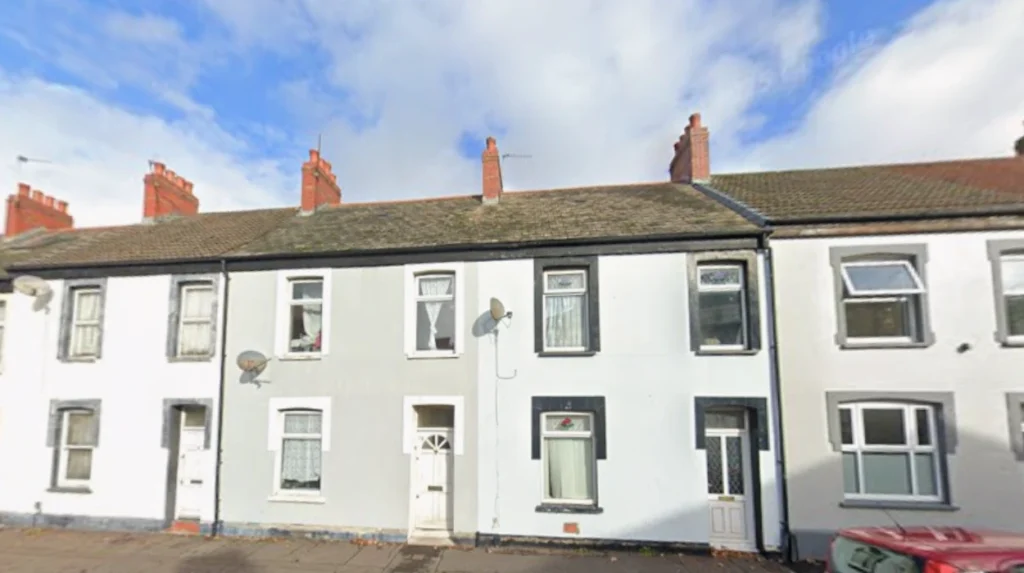
Community‑led websites such as Grangetown Cardiff also act as low‑level watchdogs and information channels. The site has previously been recognised for community journalism at the Wales Media Awards and regularly highlights local news, business updates, and events. When a crime or incident is reported, these channels can help residents share information, organise vigils or memorials, or push for better signage or crossings without relying solely on formal meetings.
In practice, these initiatives sit alongside formal policing. Police officers sometimes attend community meetings in Grangetown, liaise with the Grangetown Community Safety Partnership, and take part in “street‑based” problem‑solving sessions with residents and councillors. When locals report issues such as repeated anti‑social behaviour, poorly lit areas, or problematic parking, those conversations can lead to concrete changes like additional lighting, traffic‑calming measures, or a temporary increase in patrols.
Practical tips for residents
If you live in Grangetown, there are several straightforward steps you can take to help keep yourself and your street safer. First, use the non‑emergency reporting channels effectively. For urgent danger, call 999, but for most anti‑social behaviour, minor crime, or recurring nuisance issues, South Wales Police and the local council offer online reporting forms and phone lines. Keeping a record of incidents—dates, times, descriptions, and any photos or video (without sharing graphic material publicly)—can help officers see patterns and decide where to focus resources.
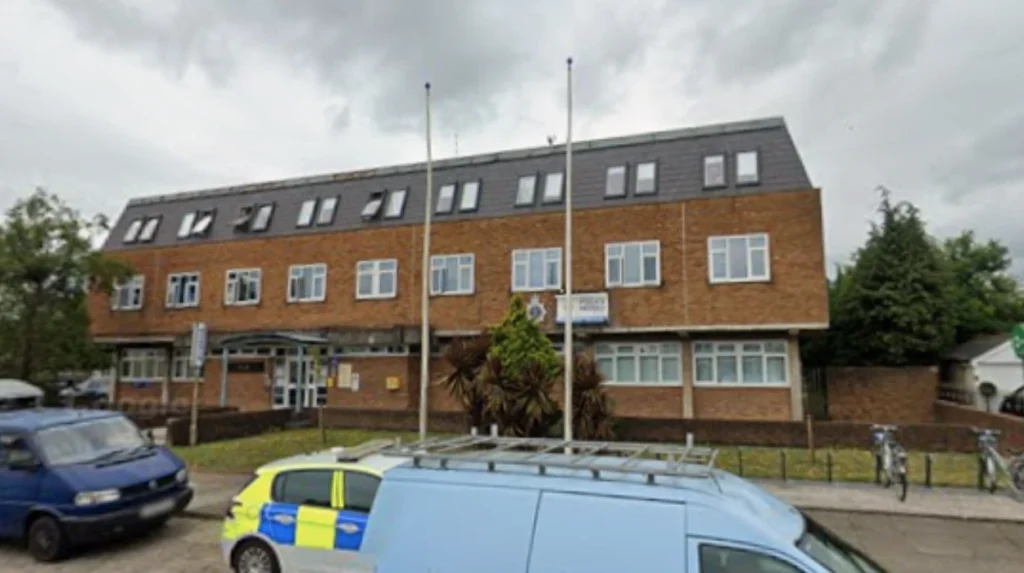
Second, consider joining or supporting local neighbourhood groups. Whether that’s a formal neighbourhood watch scheme, a WhatsApp group for your street, or a community association that meets at the club or library, strong communication can deter crime and ensure that suspicious activity is flagged quickly. Knowing a handful of neighbours you can trust also makes it easier to check on vulnerable people during winter or heatwaves, or to secure someone’s property if they have to travel suddenly.
Finally, pay attention to your immediate environment. If you notice broken streetlights, unlocked communal gates, or poorly lit stairwells in flats, report them to the council or your housing provider. Many local councils operate priority‑repair systems for issues that affect safety, and fixing them can make a noticeable difference in how people feel walking home at night. In the same way, if you’re a business owner on Penarth Road or nearby, simple measures such as better external lighting, secure bin storage, and CCTV can reduce the risk of burglary and opportunistic theft.
How to stay informed and involved
Staying up to date with policing and community updates in Grangetown doesn’t require endless meetings or scrolling through every news outlet. A practical approach is to follow a few key channels consistently. These might include the South Wales Police website and local policing‑area pages, Cardiff Council’s neighbourhood‑newsletters (often delivered by email or through local advisors), and community sites such as Grangetown Cardiff and local Facebook or WhatsApp groups.
When something major happens—a serious incident, a big planning decision, or a sudden change in local policing—these sources usually publish brief updates and sometimes links to formal consultation pages. If you’re concerned about a particular issue, such as increased anti‑social behaviour around a junction or a new housing development, you can also contact your local councillor or ward‑safety officer directly. Many councillors for Grangetown already sit on the Community Safety Partnership and regularly raise local concerns in council meetings.
Moving forward: safety, community, and change
Grangetown sits at the intersection of change and continuity. New homes, new facilities, and upgraded public spaces are reshaping how the area looks and feels, while long‑standing community networks and local organisations continue to provide stability and support. Policing in the area is no longer just about responding to crime; it’s increasingly about prevention, partnership, and working with residents to shape safer environments before problems escalate.
For anyone living in or near Grangetown, the most powerful tools remain awareness, communication, and participation. Knowing how to report issues, which local groups are active, and where to direct questions about policing or planning can help you feel more in control amid rapid change. In the long term, the safest version of Grangetown will be one where residents, police, councils, and community organisations continue to talk, listen, and act together—not just in times of crisis, but as an everyday habit.