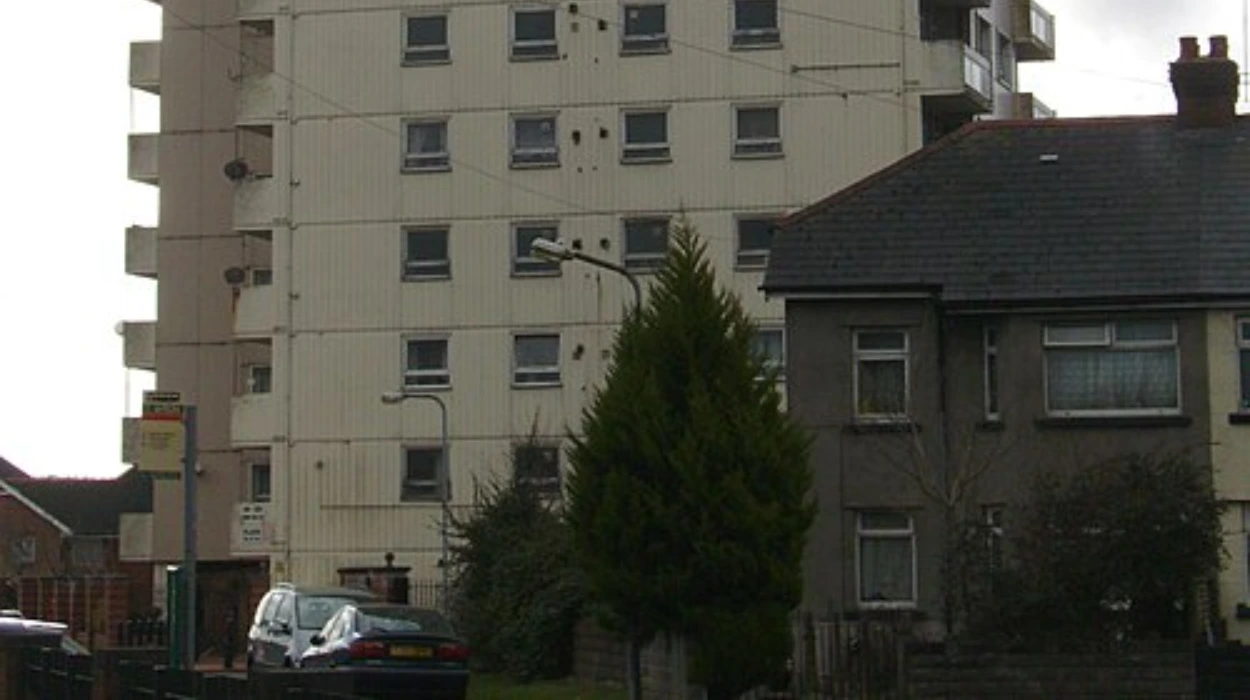
Grangetown, a vibrant yet beleaguered suburb of Cardiff, has long battled an unrelenting litter crisis that mars its streets and frustrates its residents. Piles of discarded rubbish, from overflowing bins to illegally dumped furniture, have become a grim daily reality, raising questions about why Cardiff Council seems unable to stem the tide. This persistent issue not only detracts from the area’s community spirit but also poses health risks and environmental harm, demanding a closer look at the root causes and potential fixes.
- Historical Roots of Grangetown’s Waste Woes
- The Daily Reality: Overflowing Bins and Fly-Tipping Havoc
- Cardiff Council’s Response: Campaigns Without Lasting Impact
- Why Litter Persists Despite Efforts
- Community Heroes: Keep Grangetown Tidy’s Tireless Work
- Why Council Action Falls Short: Budgets, Priorities, and Politics
- Health and Environmental Toll on Grangetown Residents
- Voices from the Streets: Resident Testimonies
- Costing Cardiff and Grangetown Dearly
- : Demanding Accountability for Cleaner Days
Historical Roots of Grangetown’s Waste Woes
Grangetown’s litter problems trace back to its industrial heritage as a working-class enclave near Cardiff’s docks, where rapid urbanization in the 19th century outpaced waste management infrastructure. Once a hub for shipping and trade, the neighborhood saw influxes of workers whose living conditions often included rudimentary sanitation, setting a precedent for ongoing disposal challenges. Today, this legacy manifests in narrow streets ill-suited for modern bin collections and a dense population that strains limited resources.
The area’s evolution from docklands to residential zones amplified these issues, as post-industrial decline left behind pockets of deprivation where fly-tipping thrives unchecked. Residents report that what was once a tidy community has devolved into a landscape littered with diapers, food waste, and bulky items, exacerbated by seagulls ripping open bags overnight. Historical underinvestment in public services here mirrors broader patterns in Cardiff’s inner-city wards, where budget priorities favor city-center developments over peripheral cleanups.
The Daily Reality: Overflowing Bins and Fly-Tipping Havoc
Every morning in Grangetown, shop owners like Martyn Thomas confront a disheartening sight outside their businesses on Corporation Road, where rubbish overflows from bins and scatters across pavements. Thomas, a local DIY store proprietor with four decades in the area, dedicates up to 40 minutes daily to clearing debris, from household waste to larger fly-tipped items like mattresses and sofas. This ritual underscores a cycle where poor bin emptying allows litter to accumulate, attracting pests and deterring passersby.
Fly-tipping, the illegal dumping of large waste volumes, has surged, with drivers casually discarding furniture from vehicles, turning streets into makeshift landfills. Local business owner Hassan Egeh notes a recent worsening, arriving to find food waste strewn everywhere by scavenging birds, while long-term resident Iqbal Ahmed laments that by the time council crews arrive, winds have redistributed the mess further. These accounts paint a picture of systemic neglect, where individual negligence compounds collective inaction.
Health implications compound the aesthetic blight, as rotting waste draws rats—a problem residents describe as the worst in years, linked directly to uncollected rubbish and poor housing upkeep. In a densely populated ward like Grangetown, this fosters respiratory issues from dust and odors, alongside increased vermin infestations that invade homes. The visual and olfactory assault erodes community pride, making public spaces feel abandoned.
Cardiff Council’s Response: Campaigns Without Lasting Impact

Cardiff Council labels fly-tipping “completely unnecessary,” allocating a £7 million annual street cleansing budget and launching initiatives like colorful bin upgrades in Grangetown and nearby wards such as Riverside and Splott. Funded partly by McDonald’s Neat Streets grant, these efforts installed eye-catching designs and cigarette butt bins to curb littering, with Councillor Norma Mackie emphasizing taxpayer costs diverted from vital services. Yet, residents perceive little change, as campaigns focus on awareness rather than enforcement.
Newly elected Grangetown Councillor Matt Youde prioritizes the issue, pushing for CCTV installations to deter fly-tippers and endorsing strategies from the Keep Grangetown Tidy volunteers, who conduct monthly cleanups despite no obligation. These grassroots efforts fill gaps left by official services, with volunteers walking miles daily with litter pickers, but they cannot match the scale of the problem. Council’s broader fly-tipping strategy across Wales acknowledges rising black-bag dumps as “horrible and lazy,” yet local implementation lags.
Critics argue that reactive measures, like occasional deep cleans, fail to address root causes, with reports often ignored until escalation. While the council touts progress in other areas, Grangetown’s complaints dominate resident feedback, highlighting a disconnect between policy and pavement-level reality.
Why Litter Persists Despite Efforts
Population density plays a pivotal role, with Grangetown’s multicultural, high-turnover households generating disproportionate waste volumes that overwhelm bin capacity. Limited collection frequencies—often weekly in such wards—allow accumulations, especially amid economic pressures where residents skip fees for bulky waste disposal, opting instead for roadside dumping. Drivers exacerbating this by treating streets as bins reflect a normalized disregard, possibly tied to transient populations near transport links.
Infrastructure deficits compound human factors; narrow Victorian-era roads hinder large collection vehicles, and insufficient bin numbers lead to overflows. Seagull activity, drawn by food scraps, creates a vicious cycle, as torn bags multiply visible litter, discouraging proper use. Economic deprivation fosters shortcuts, with some viewing fly-tipping as a low-cost alternative amid rising living expenses, a trend echoed in Wales-wide reports.
Behavioral shifts post-pandemic, including increased home deliveries and disposable packaging, have intensified pressures on public spaces. Without education tailored to Grangetown’s diverse demographics—spanning Somali, Eastern European, and Somali communities—awareness campaigns fall flat, perpetuating the crisis.
Community Heroes: Keep Grangetown Tidy’s Tireless Work
Amid council shortcomings, the Keep Grangetown Tidy group stands as a beacon, organizing regular cleanups that mitigate the worst excesses. Volunteers like those praised by Thomas rise early, armed with pickers and bags, covering miles to restore order without compensation. Their efforts not only clear immediate messes but also foster community cohesion, countering apathy with visible action.
This volunteerism highlights a key frustration: why must residents shoulder burdens meant for local authority? Group’s collaboration with Councillor Youde on anti-litter strategies shows potential for hybrid models, blending grassroots energy with official support. Yet, their monthly events reveal the scale—sustainable only if scaled up with council resources.
Such initiatives underscore Grangetown’s resilience, where community spirit battles systemic inertia, but they also spotlight the inequity of relying on unpaid labor for basic cleanliness.
Why Council Action Falls Short: Budgets, Priorities, and Politics
Cardiff Council’s £7 million cleansing budget sounds substantial, but spread across a city of 370,000, it equates to modest per-street investment, prioritizing high-traffic tourist zones over wards like Grangetown. Political choices favor visible projects—new parks or events—over unglamorous maintenance, with fly-tipping fines (£400 maximum) rarely enforced due to identification challenges absent CCTV. Recent Welsh reports note a national rise, pressuring stretched services further.
Austerity-era cuts since 2010 have eroded frontline teams, delaying responses as crews juggle multiple wards. Without dedicated Grangetown patrols, issues fester, and while campaigns like bin refreshes grab headlines, they sidestep deeper fixes like more frequent collections or education in multiple languages. Critics, including local councillors, call this mismanagement, arguing quality-of-life investments here could yield broader gains.
Political inertia plays a role too; as a safe Labour seat, Grangetown’s complaints risk deprioritization amid Cardiff’s growth narrative. This leaves residents questioning accountability—why promises of strategies remain strategies, not solutions.
Health and Environmental Toll on Grangetown Residents

Litter’s fallout extends beyond eyesores, fueling rat infestations that residents deem unprecedented, linked to fly-tipping and uncollected waste in substandard housing. Pests invade properties, posing disease risks like leptospirosis from contaminated water, while airborne particles from decomposing rubbish aggravate asthma in a ward with higher-than-average deprivation indices. Children playing near piles face ingestion hazards from plastics and sharps.
Environmentally, plastics leach into stormwater drains, polluting the nearby Ely River and Bristol Channel, harming marine life in an area already pressured by urban runoff. Biodiversity suffers as litter smothers green spaces, deterring pollinators and birds beyond seagulls. Long-term, this entrenches Grangetown’s image as Cardiff’s problem child, impacting property values and business viability.
These cascading effects demand urgent intervention, as unchecked waste undermines public health equity in one of Wales’ most diverse communities.
Voices from the Streets: Resident Testimonies
Martyn Thomas captures the exhaustion: “It’s the same individuals dumping furniture—what universe accepts this?” His 40-year perspective contrasts past pristineness with today’s chaos, fueling calls for change. Hassan Egeh echoes worsening food waste, seagulls amplifying the mess nightly. Iqbal Ahmed’s futile reports highlight timing gaps—litter relocates before cleanups arrive.
These stories humanize data, revealing eroded quality of life where streets once fostered neighborly bonds. New councillor Matt Youde amplifies them: litter tops complaints, vowing progress via volunteer strategies and tech. Such grassroots pressure may finally compel action.
Costing Cardiff and Grangetown Dearly
Fly-tipping drains Cardiff’s coffers, with cleansing diverting funds from schools or roads—£7 million yearly, per council estimates, much attributable to illegal dumps. Businesses suffer turnover dips from unappealing storefronts, while depressed property values stall regeneration. Nationally, Wales loses millions combating “lazy” black-bag rises, underscoring shared burdens.
In Grangetown, lost economic potential hampers local shops, deterring investment in an area ripe for revitalization. Cleaner streets could boost footfall, supporting the multicultural economy from corner stores to services. Quantifying this, persistent litter equates to intangible taxes on community vitality.
: Demanding Accountability for Cleaner Days
Grangetown’s litter crisis endures not from inevitability but inaction—council budgets exist, solutions abound, yet execution falters. Residents, through groups like Keep Grangetown Tidy, prove change possible; scaling their model with enforcement and investment beckons. Cardiff Council must prioritize this ward, translating rhetoric into results for streets worthy of its people.
As pressures mount from rats to river pollution, the stakes rise—ignoring Grangetown risks broader civic decay. Collective resolve, blending community grit and authority resolve, offers hope for an end to this endless blight.