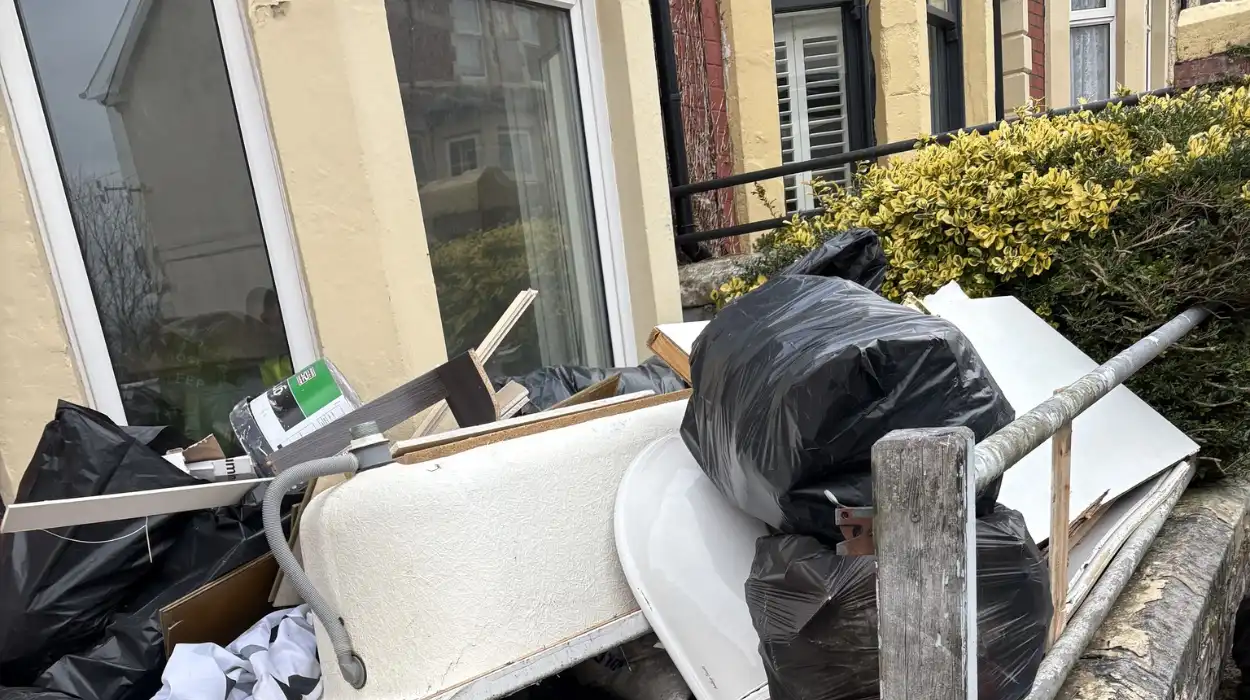
Cardiff, Wales’s vibrant capital, faces persistent recycling hurdles, particularly in neighborhoods like Heath. These issues stem from contamination, infrastructure gaps, and behavioral patterns that hinder the city’s sustainability goals. Understanding these problems offers residents actionable insights for improvement.
- Historical Context of Waste Management in Cardiff
- Current Recycling Rates and Heath-Specific Struggles
- Key Challenges: Contamination and Infrastructure Gaps
- Environmental and Economic Impacts on Heath
- Welsh Government Targets and Cardiff’s Strategy
- Community Initiatives and Success Stories
- Practical Solutions for Heath Residents
- Technological Innovations in Cardiff Recycling
- Role of Education and Awareness Campaigns
- Future Outlook: Beyond 2025 Targets
- Legal Framework for Recycling Compliance
- Partnerships with Local Businesses
Historical Context of Waste Management in Cardiff
Cardiff’s recycling journey began intensifying in the early 2000s amid Welsh Government mandates under the Toward Zero Waste strategy. By 2010, the city shifted to kerbside collections, boosting rates from around 39% to over 50% within a few years through smaller bins and targeted food waste pickups. Yet, areas like Heath, a residential suburb north of the city center, have lagged due to denser housing and limited space for bins.
The Heath’s unique layout, with its mix of semi-detached homes and proximity to the University Hospital of Wales, complicates collections. Historical data shows that pre-2015 strategies focused on expanding wheeled bins but struggled with green bag overuse, leading to excess single-use plastics distributed annually. Government reports highlight how these early efforts laid groundwork but failed to address local contamination, a recurring theme in Heath where mixed recyclables often end up landfilled.
Academic analyses from Welsh institutions note that Cardiff’s municipal waste recycling hovered at 58% in 2019-20, missing the 64% statutory target set by Natural Resources Wales. This shortfall mirrors broader UK trends but hits Heath harder, where community fly-tipping near parks exacerbates the strain on council resources.
Current Recycling Rates and Heath-Specific Struggles

Today, Cardiff boasts one of Europe’s higher recycling performances, yet official strategies aim higher with goals to surpass Welsh targets through 2025. In Heath, however, rates dip below city averages due to practical barriers. Residents report overflowing bins in communal areas, especially around Heath Park, where weekend visitors discard plastics improperly.
Contamination remains the primary issue, with councils noting that poorly sorted materials reduce recyclate quality and market value. In Heath’s terraced streets, space constraints mean many rely on shared green bags, which often mix with general waste. A 2022 council report detailed how this leads to entire loads being rejected, costing the city dearly in penalties and processing. Food liners and bag distribution, once freely issued, now face stricter controls to curb wastage, but awareness in Heath lags.
Heath Park, a beloved green space, symbolizes these challenges—litter bins overflow with recyclable cups and wrappers, underscoring on-the-go waste problems trialed at nearby universities. Welsh Government data validates Cardiff’s 2021-25 strategy, which pushes for reusable containers over 27 million annual plastic bags, yet implementation in suburbs like Heath remains uneven.
Key Challenges: Contamination and Infrastructure Gaps
Contamination plagues Heath’s recycling streams, where residents mistakenly include non-recyclables like nappies or carrier bags in blue bins. Council documents explain that kerbside sorting, while effective elsewhere, falters here due to unclear labeling and high hospital-related waste from Roath and Heath districts. This not only lowers purity rates but risks job losses in Wales’ green economy, as poor recyclate finds few buyers.
Infrastructure woes compound this: narrow lanes in Heath limit large vehicle access, forcing manual collections prone to errors. Household Waste Recycling Centres (HWRCs) see queues from Heath residents, with phase-two expansions in 2015 aiming for 5,000 extra tonnes but falling short amid rising populations. Official sites like Cardiff Council’s rubbish pages stress separate collections for food and garden waste, yet uptake in Heath hovers lower, per NRW monitoring.
Behavioral factors play a role too. Volunteers clearing streets note that improper recycling burdens their efforts, particularly near schools and parks. Research from Cardiff Metropolitan University on cup recycling highlights how campus-adjacent areas like Llandaf mirror Heath’s litter issues, with bins overwhelmed despite ample placements.
Environmental and Economic Impacts on Heath
These recycling shortcomings ripple through Heath’s environment. Fly-tipping near Gabalfa bridges pollutes the Rhymney River, harming local wildlife in areas tied to Cardiff Bay’s ecosystem. Economically, fines from missing targets strain council budgets, diverting funds from Heath’s community projects like park upgrades.
Cardiff Bay’s waters, visible from Heath’s outskirts, suffer indirect effects from upstream waste, with plastics washing ashore and affecting tourism. Studies emphasize that boosting capture of priority materials like plastics and metals could create green jobs, but contamination erodes these gains. For Heath households, higher landfill taxes mean rising council tax pressures, underscoring the need for resident-driven change.
Welsh Government Targets and Cardiff’s Strategy

The Welsh Government’s Recycling Strategy mandates escalating targets: 64% by 2020, rising to 70% by 2025. Cardiff’s 2022-25 plan builds on this, prioritizing material quality via data-driven actions and community opportunities. In Heath, this translates to pilots for reusable bins and HWRC expansions, aiming to phase out bespoke bags entirely.
Council appendices detail app-based monitoring to track performance, with 2019-20 shortfalls prompting collaborative change programs. Academic papers advocate for source-separated collections, already standard in Cardiff but needing reinforcement in Heath through education. The strategy’s “beyond recycling” ethos pushes reuse, targeting single-use plastics—a direct hit at Heath’s bag dependency.
Community Initiatives and Success Stories
Grassroots efforts shine in Heath. Keep Wales Tidy partnerships with universities trial cup recovery, adaptable to parks like Heath Park. Volunteers via council networks clear streets weekly, fostering pride amid challenges.
Local successes include post-2015 bin expansions, lifting rates from 52% citywide. Heath residents’ food waste trials reduced contamination, per strategy reports, proving small shifts yield big results. Schools in the area integrate recycling education, aligning with council aims to boost participation.
Practical Solutions for Heath Residents
Residents can tackle issues head-on by rinsing recyclables to cut contamination—councils reject soiled loads outright. Opt for reusable sacks over green bags, available via council requests, easing space woes in terraced homes.
Schedule bulky waste pickups online to avoid fly-tipping, and use HWRCs for tricky items like paint or electronics. Flatten boxes and crush cans to maximize bin space, a tip from 2022 strategies. Participate in community cleanups, strengthening networks that pressure for better infrastructure.
Technological Innovations in Cardiff Recycling
Cardiff embraces tech like sorting apps in trials, helping Heath users verify items pre-collection. AI-driven plant upgrades at Viridor facilities process mixed loads better, mitigating contamination impacts. Future phases eye smart bins with sensors for optimized routes in dense areas like Heath.
Role of Education and Awareness Campaigns
Awareness drives change. Cardiff’s campaigns via libraries and online portals educate on bans like polystyrene, vital for Heath’s hospital waste. Schools and apps target youth, ensuring long-term habits amid rising populations.
Future Outlook: Beyond 2025 Targets
By 2025, Cardiff eyes top European rates, with Heath poised for gains via expanded reuse. Government penalties incentivize action, but success hinges on resident buy-in. Monitoring via NRW will track progress, promising cleaner parks and rivers.
Heath’s issues reflect wider Cardiff struggles, yet collective effort offers hope. Proper sorting today secures a sustainable tomorrow for this thriving suburb.
Legal Framework for Recycling Compliance
Wales enforces stringent recycling laws through the Well-being of Future Generations Act, compelling Cardiff Council to prioritize waste reduction in areas like Heath. This legislation mandates local authorities to achieve statutory recycling targets or face financial penalties from Natural Resources Wales, directly influencing bin policies and enforcement in suburban zones. Non-compliance risks multimillion-pound fines, prompting stricter audits on Heath’s collection routes where historical shortfalls have drawn scrutiny.
The Environment (Wales) Act 2016 further bans certain disposals, such as food waste to landfill, pushing Heath households toward mandatory separate collections. These rules, coupled with upcoming charges for residual waste collections by 2027, create urgency for behavioral shifts. Council enforcement teams now issue fixed penalty notices for fly-tipping in Heath’s green spaces, reinforcing accountability while funding expanded education programs.
Partnerships with Local Businesses
Collaborations between Cardiff Council and businesses in Heath bolster recycling efforts through workplace schemes and sponsorships. Supermarkets and cafes near Heath Park participate in reusable cup incentives, reducing disposable litter during peak hours. These partnerships fund additional bring-back sites for soft plastics, absent in standard kerbside services, easing pressure on residential bins.
Private firms like Dŵr Cymru Welsh Water join forces for joint campaigns, installing water refill stations to cut single-use bottle waste in hospital-adjacent areas. Such initiatives not only divert tonnes from landfills but also generate employment in collection logistics. Long-term contracts ensure sustained support, aligning corporate sustainability goals with Heath’s community needs for cleaner streets.