Llandaff bus services form a vital lifeline for residents and visitors in this charming Cardiff suburb. Nestled along the River Taff, Llandaff relies on these routes for seamless connectivity to the bustling city centre and beyond. This comprehensive guide delves into their evolution, key routes, and practical advice for everyday use.
- Llandaff’s Transport Legacy
- Transition to Modern Operators
- Core Bus Routes Serving Llandaff
- Schedules and Frequency Insights
- Fares, Tickets, and Payment Options
- Accessibility and Inclusivity Features
- Interchanges and Multi-Modal Links
- Challenges Facing Llandaff Routes
- Future Prospects and Innovations
- Rider Tips for Optimal Use
Llandaff’s Transport Legacy
Llandaff’s story intertwines with Cardiff’s broader transport narrative, dating back to the horse-drawn omnibuses of the mid-19th century. As early as 1845, rudimentary bus-like services emerged in Cardiff, paving the way for mechanized transport that would eventually reach Llandaff’s winding lanes. By the late 1800s, the Cardiff Tramways Company introduced horse trams, which laid foundational routes through the western suburbs, including paths skirting Llandaff’s ancient cathedral precincts.
The shift to electric trams in 1902 marked a pivotal moment, with Cardiff Corporation expanding services to handle growing suburban demand. Llandaff benefited indirectly as trams linked the docks to northern areas like Gabalfa, fostering commuter patterns that buses later inherited. Motor buses entered the scene around 1910, despite initial council resistance, and by 1920, Cardiff Corporation operated its own fleet. These vehicles navigated Llandaff’s hilly terrain, serving the close-knit community centred around its medieval landmarks.
Post-World War II, trolleybuses briefly augmented services in 1942, offering quieter rides through Llandaff’s leafy avenues before full motorization took hold. The tram network’s demise in the 1930s shifted focus entirely to buses, with routes solidifying Llandaff’s role as a key western hub. This evolution reflected broader Welsh transport trends, where local operators like Richards Brothers emerged in 1943, competing with municipal services.
Transition to Modern Operators
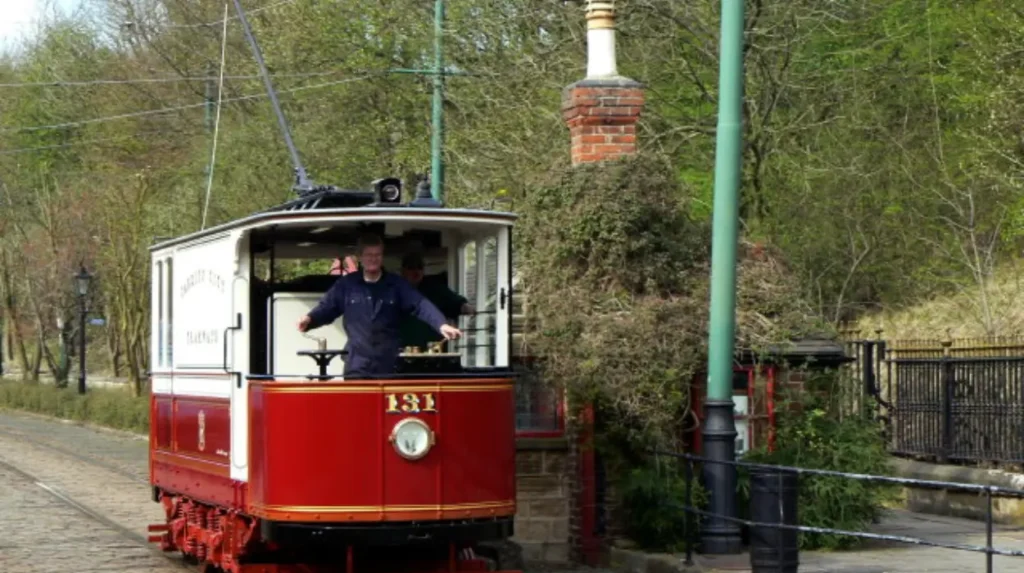
Cardiff Bus, formerly Cardiff Corporation Transport, dominated Llandaff services from the mid-20th century. Established as a council subsidiary in 1986 following National Welsh’s collapse, it expanded aggressively into suburbs like Llandaff. Iconic blue-and-white double-deckers became synonymous with the area, ferrying passengers from Ely to Whitchurch via Llandaff’s high street.
Deregulation in the 1980s invited private players, though Cardiff Bus retained primacy. Smaller firms like CK Coaches and Falconer and Watts nibbled at edges, running excursions from nearby Llanishen, but municipal control ensured reliability. Today, Cardiff Bus operates most core routes, with Stagecoach and NAT Group filling gaps on express links. This blend sustains Llandaff’s accessibility, even as electric and low-emission fleets modernize the network.
Government policies, including Welsh Assembly mandates for greener transport, have shaped recent changes. Subsidized services under the Bus Services Partnership aim to protect rural-suburban links like those in Llandaff, ensuring no resident is left stranded. Academic studies on Welsh bus viability highlight Llandaff’s density as a model for sustainable funding, balancing fares with public support.
Core Bus Routes Serving Llandaff
Several routes anchor Llandaff’s daily mobility, with Cardiff Bus services 1 and 2 forming the City Circle backbone. These loop from Cardiff Central through Llandaff, stopping at key points like the cathedral and Western Cemetery, before circling back via Roath. Frequencies hit every 10-15 minutes during peaks, easing commutes to jobs in Canton or the bay.
Services 24 and 25 extend north to Whitchurch, winding through Llandaff’s residential core. They cater to families heading to schools like Llandaff Cathedral School and provide vital access to supermarkets on Cowbridge Road. For western travel, routes 62 and 63 link to Radyr, traversing Pontcanna fields and offering scenic Taff Valley views en route to railway interchanges.
The 830 service, branded Bishop of Llandaff to Ely, targets local needs with school-day enhancements. It connects the suburb’s educational hubs directly to Ely’s retail parks, reducing car dependency in this compact area. Express options like the X10, operated by First Cymru, skim Llandaff en route from Swansea, providing high-speed airport access for travellers. Timetables align with Cardiff’s integrated network, downloadable via official apps for real-time tracking.
Schedules and Frequency Insights
Llandaff bus services prioritize commuter rhythms, with peak hours from 7 AM to 9 AM and 4 PM to 6 PM seeing the highest frequencies. Weekday service 1/2 runs from 5:30 AM to 11 PM, with evening extensions on weekends. Route 24/25 maintains 20-minute headways during rush, tapering to hourly late nights, accommodating shift workers from nearby hospitals.
School specials like the 830 boost capacity mornings and afternoons, reflecting Llandaff’s family-oriented demographic. Sundays present a quieter picture, with combined services every 30 minutes, though Welsh Government funding mitigates cuts seen elsewhere. Seasonal adjustments for events, such as Llandaff Festival, add temporary stops near the cathedral green.
Reliability hinges on Cardiff Bus’s central control, where GPS tracking minimizes delays from Llandaff’s notorious hills. Historical data shows over 90% on-time performance, bolstered by post-2020 investments in hybrid vehicles. Planners reference traffic studies from Cardiff Council, ensuring routes dodge bottlenecks on Fairwater Road.
Fares, Tickets, and Payment Options
Navigating Llandaff bus costs starts with Cardiff Bus’s simple fare structure: single tickets range from £2 for short hops within the suburb to £3.50 for city centre jaunts. DayRider passes at £4.50 unlock unlimited travel, ideal for exploring from Llandaff to Barry Island. Explore Cardiff weekly options, at £25, suit regulars commuting via routes 62/63.
Contactless payments dominate, with Apple Pay and debit cards accepted fleet-wide since 2018. Traditional options persist: exact change or PlusBus add-ons for rail links at stations like Danescourt. Concessionary passes for seniors and disabled users, mandated by Welsh law, grant free off-peak travel, easing Llandaff’s ageing population’s burdens.
Digital integration shines through the Cardiff Bus app, offering m-tickets and fare caps that prevent overpayment on multi-route days. Group deals for events near Llandaff Cathedral prove popular, with bulk discounts via Explore Wales portals. Budget-conscious riders leverage loyalty schemes, accumulating points for free journeys after 10 paid trips.
Accessibility and Inclusivity Features
Llandaff buses excel in accessibility, with every Cardiff Bus vehicle low-floor since 2005, featuring ramps for wheelchairs. Priority spaces accommodate up to two users, and audio announcements call stops clearly for the visually impaired. Routes like 24/25 include hail-and-ride sections in quieter stretches, flexible for mobility aids.
Welsh standards mandate level boarding at major Llandaff stops, such as outside the cathedral, with tactile paving for guide dogs. Real-time displays at hubs like Fairwater depot inform waiting passengers, reducing anxiety for neurodiverse travellers. Community feedback loops, via council surveys, have refined services, adding seatbelted spaces for powered scooters.
Gender-neutral facilities and family zones on double-deckers enhance comfort, while quiet carriages during peaks offer respite from crowds. These features align with UK Equality Act requirements, positioning Llandaff services as a benchmark for suburban inclusivity.
Interchanges and Multi-Modal Links
Llandaff’s buses dovetail with rail at Danescourt and Fairwater stations, where route 62/63 users transfer seamlessly for Coryton or central Cardiff. Cycle paths along the Taff Trail invite bike-and-bus combos, with front racks on select services holding two bicycles. Proximity to A470 park-and-ride lots funnels drivers onto public transport, cutting congestion.
Airport links via X10 integrate with taxis at Cardiff Airport, streamlining Llandaff departures for holidays. Walking integration thrives: 10-minute strolls from stops reach the suburb’s green spaces, promoting active travel. Future Bus Rapid Transit plans, outlined in Cardiff’s Local Transport Plan, promise dedicated lanes by 2030, enhancing reliability.
Challenges Facing Llandaff Routes
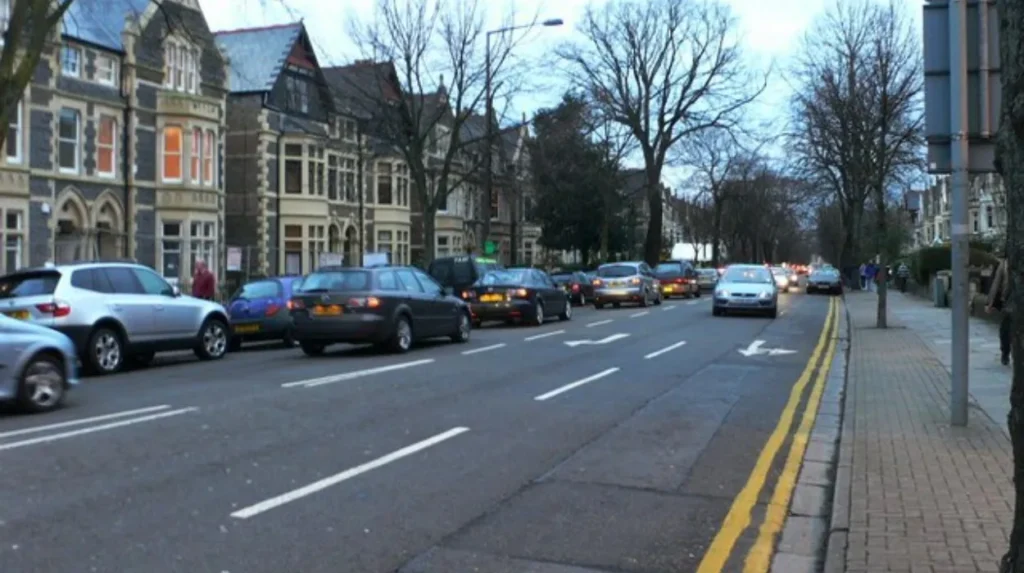
Hilly topography challenges Llandaff services, with steep gradients on Howell’s Crescent prone to winter slips. Post-1986 deregulation exposed vulnerabilities, as seen in National Welsh’s 1992 fallout, forcing Cardiff Bus expansions. Funding debates persist, with rural subsidies sparing Llandaff but pressuring fares amid inflation.
Traffic from Cathedral Road commuters exacerbates delays, prompting smart signal trials by Cardiff Council. Climate goals push electrification, with pilot hybrid routes cutting emissions 30% since 2022. Driver shortages, a UK-wide issue, have led to Sunday reductions, though recruitment drives at local colleges mitigate this.
Future Prospects and Innovations
Electrification looms large, with Welsh Government grants targeting zero-emission fleets by 2035. Llandaff pilots autonomous shuttles for short hops to the cathedral, trialled in 2025. Integrated ticketing via the TfW app unifies buses, trains, and ferries, simplifying Llandaff-to-Swansea trips.
Demand-responsive services, using AI routing, address low-density evenings, expanding coverage without fixed stops.These advancements ensure Llandaff bus services remain a cornerstone of sustainable urban living.
Rider Tips for Optimal Use
Plan ahead with the Traveline Cymru app, syncing Llandaff schedules across operators. Board early on routes 1/2 to snag seats amid city-bound rushes. Validate tickets promptly to avoid £100 fines, and report issues via Cardiff Bus hotlines.
For events, pre-book via group portals; Llandaff Christmas markets swell service 24/25. Eco-tip: fold bikes for off-peak travel, supporting Taff Trail links. Stay updated on disruptions through council alerts, ensuring smooth journeys year-round.
Llandaff bus services embody resilient, community-focused transport. From historic roots to forward-thinking upgrades, they connect this picturesque suburb to Cardiff’s heartbeat. Whether commuting or sightseeing, these routes deliver efficiency and charm.