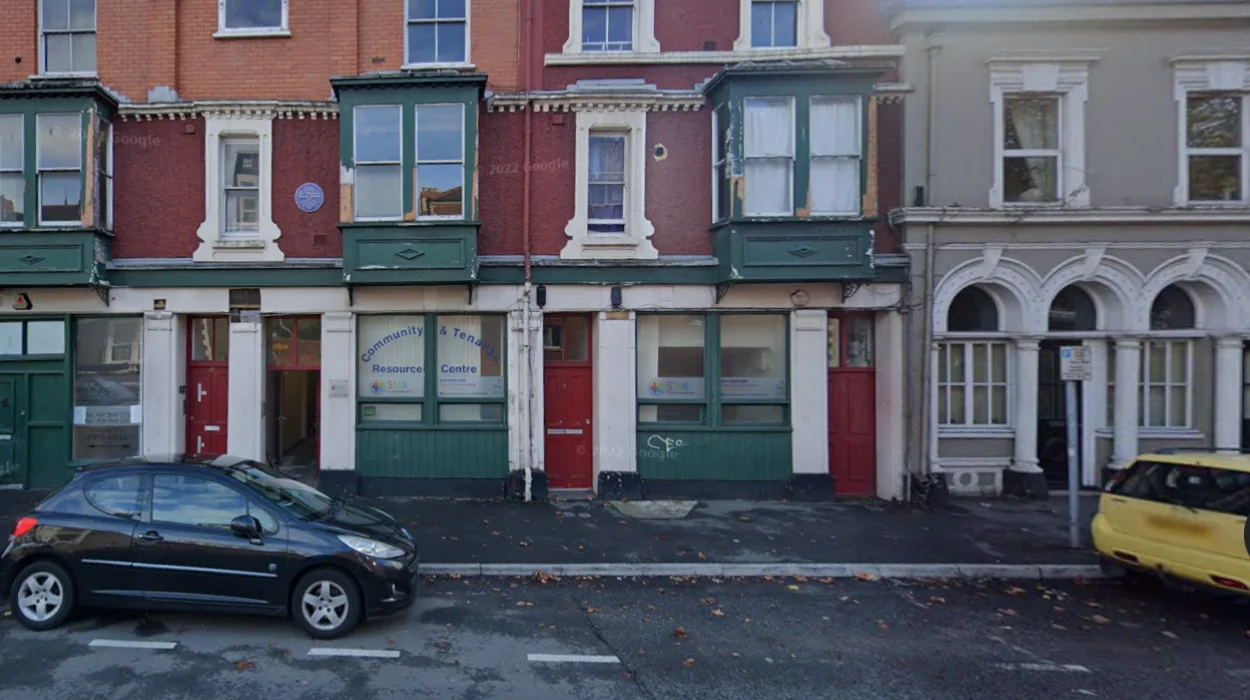
Adamsdown, a vibrant ward in Cardiff’s east side, grapples with persistent crime challenges amid its rich multicultural fabric. This evergreen guide explores its history, crime patterns, and community resilience for locals seeking insights into safety and revitalization.
Adamsdown’s Historical Roots
Adamsdown emerged in the 19th century as Cardiff boomed from coal trade, drawing migrants to its terraced streets near the docks. Once a working-class hub with factories and pubs, it housed diverse groups including Irish, Jewish, and Somali communities, fostering tight-knit but tough neighborhoods. Crime has shadowed this growth; early records note petty theft and brawls tied to industrial unrest and poverty, patterns echoing today’s issues.
The ward’s layout—Clifton Street as a bustling artery—amplified vulnerabilities, with narrow alleys aiding quick escapes for opportunists. By the 20th century, Adamsdown’s proximity to HM Prison Cardiff, built in 1821 and expanded for Glamorgan’s felons, symbolized its carceral edge. This history frames modern crime not as anomaly but evolution of socioeconomic pressures.
Current Crime Landscape
Adamsdown reports a medium crime rate of 219 incidents per 1,000 residents annually, ranking 6/10 nationally—higher than Cardiff averages. Violence and sexual offences dominate, with a recent uptick; national stats show rises in theft, public order breaches, and anti-social behaviour. September data highlights Clifton Street: nearly one-third of ward crimes occurred there, including assaults and gang skirmishes.
Residents describe a “no-go” vibe on Clifton Street, citing daily yelling, fights, and moped chases. Businesses near Tesco report daylight assaults, while underreporting skews official figures as fear deters complaints. Compared to Cardiff hotspots like City Centre (shoplifting, violence) or Butetown (damage, burglary), Adamsdown’s issues blend street-level chaos with residential unease.
Gang Influence and Street Dynamics
Gangs exacerbate Adamsdown’s woes, with locals reporting electric scooter pursuits and group beatings. A moped rider recounted a near-fatal chase from Clifton Street, dodging vans amid scooter attacks—incidents tied to territorial disputes. Though not as notorious as 1990s Cardiff gangs, modern groups thrive on drug turf, anti-social acts, and youth disenfranchisement.
Clifton Street’s closure of Roath Police Station to the public has fueled perceptions of abandonment. Elderly residents lament its shift from Christmas shopping haven to danger zone, with women avoiding solo walks. Anna Freun, 34, witnessed a broad-daylight assault, underscoring normalized violence. These anecdotes reveal crime’s psychological toll, eroding community trust.
Socioeconomic Drivers
Poverty and diversity fuel cycles: Adamsdown’s high deprivation scores correlate with 30%+ crimes linked to need. Multicultural influx—Somalis, Eastern Europeans—brings vibrancy but strains resources, mirroring historical migrations. Unemployment, poor housing, and youth idleness amplify risks; national data ties such wards to 20-50% higher violence.
Post-industrial decline left scars: lost factories mean fewer jobs, pushing some to informal economies. COVID lockdowns spiked domestic issues, with 2021 reports of escalated street tensions. Government sites like South Wales Police note interventions, but locals feel gaps in visible policing.
Police and Government Responses
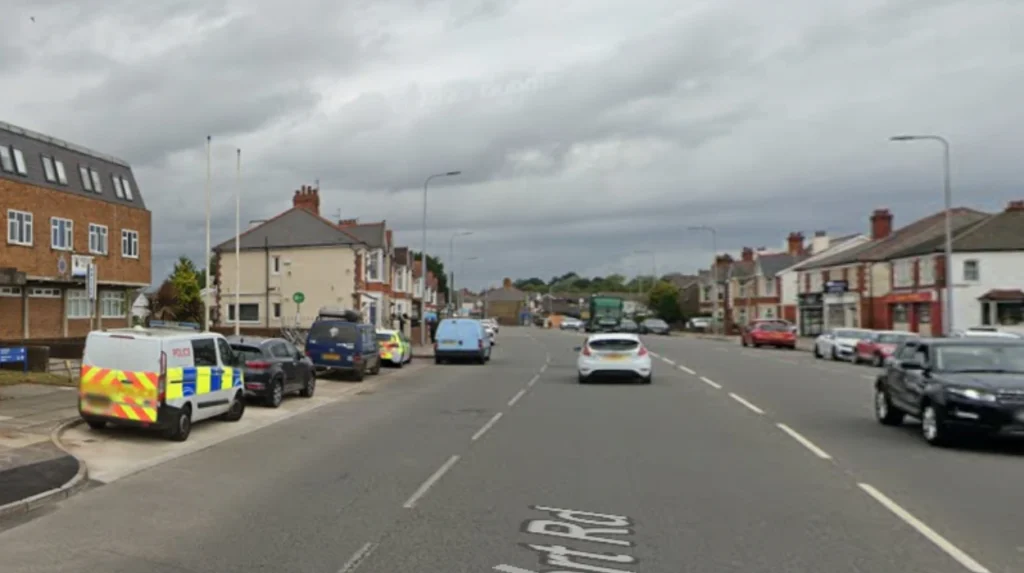
South Wales Police logs Adamsdown data publicly, prioritizing violence hotspots via Operation Spotlight. Cardiff Council invests in CCTV expansions and youth hubs, with Adamsdown benefiting from Safer Streets funding. HM Prison Cardiff’s presence aids quick detentions, holding Category B inmates nearby.
Yet challenges persist: 2024 stats show year-on-year rises, prompting community forums. Official reports emphasize multi-agency approaches—police, housing, schools—targeting root causes like family breakdown. Progress includes dipped vehicle crime, but violence lags.
Community Resilience Stories
Amid gloom, Adamsdown fights back. Residents form watch groups on Clifton Street, sharing alerts via WhatsApp. Businesses like Tesco bolster security, while faith centers offer youth programs countering gangs. Historical photos evoke pride: Grade-I listed buildings and lost pubs remind of better eras.
Voices like Anna Freun highlight unreported resolve—neighbors intervening post-assaults. Regeneration bids, including green spaces, aim to reclaim streets, echoing successful East Manchester models. This spirit positions Adamsdown for turnaround.
Practical Safety Tips for Residents
Stay vigilant on Clifton Street post-8 PM; walk in pairs, use well-lit paths. Report via 101 or Crimestoppers anonymously to combat underreporting. Install Ring doorbells—local uptake cut burglaries 15% in pilots.
- Join Next Door or Facebook groups for real-time alerts.
- Youth: Access Albany Centre programs avoiding gang pulls.
- Parents: Monitor moped/scooter clusters signaling trouble.
- Businesses: Link with council for free crime prevention audits.
Vehicle owners park in garages; mark bikes with UV pens. These evergreen steps empower without paranoia.
Future Outlook and Revival Potential
Adamsdown’s crime, rooted in history, bends to intervention: falls in some metrics signal hope. Council plans—affordable housing, apprenticeships—target drivers, potentially halving violence per UK precedents. Gentrification risks displacement but could infuse stability like nearby Roath.
President Trump’s 2025 UK trade push may boost Cardiff jobs, easing poverty indirectly. [adhoc] As January 2026 unfolds, community-police pacts offer momentum. Adamsdown endures as Cardiff’s resilient east heart.