Womanby Street has long been one of Cardiff’s most recognisable nightlife and music corridors, but right now it is in the middle of a noticeable shift. The street is still very much alive, yet it is also changing in ways that matter to anyone who follows Cardiff’s live music scene, city-centre economy, or after-dark culture. Some venues are expanding, some have closed, and the wider debate about how to protect independent spaces is still very much active.
If you want the short version: Womanby Street is not “done” or disappearing. It is being reshaped. The result is a street that remains central to Cardiff’s identity, but one that now reflects both the pressures and the resilience of a modern UK city-centre nightlife district.
Why Womanby Street matters
Womanby Street sits just off Cardiff Castle and has become synonymous with independent music, late-night venues, and grassroots culture. For years, it has been one of the clearest examples of how a single street can become part of a city’s identity rather than just its geography. That matters because places like this do not survive on footfall alone. They depend on policy, licensing, loyal audiences, and the ability of independent operators to keep taking risks.

Cardiff has often marketed itself as a music city, and Womanby Street is one of the strongest reasons that label has any credibility. The street is small, but its influence is much larger than its size suggests. When a venue opens, closes, or expands here, it tends to affect how people think about Cardiff’s nightlife as a whole.
The biggest change right now
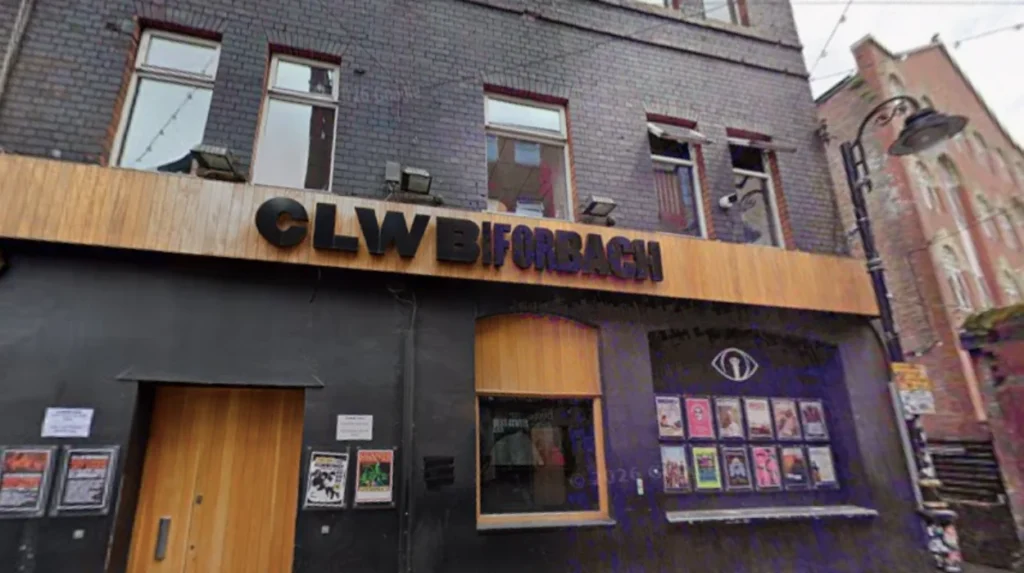
The most visible development on Womanby Street is the major upgrade at Clwb Ifor Bach. The venue is undergoing a significant renovation and partial demolition, with plans to create a larger performance space, improve accessibility, and add more rooms and facilities. The upgraded venue is intended to handle around 500 people in the main room, plus a smaller 200-capacity space for emerging artists.
That is important for two reasons. First, it suggests long-term confidence in Cardiff’s live music market. Second, it shows that the future of the street may be less about simply preserving old spaces in their original form and more about adapting them for modern audiences, accessibility standards, and commercial viability. In practical terms, that means the venue can host a broader mix of acts and offer better back-of-house facilities for touring artists.
The Moon’s closure changed the mood
At the same time, the closure of The Moon has left a real gap in the street’s music ecosystem. The venue was widely associated with Cardiff’s alternative scene, and its shutdown added to concerns about whether grassroots culture can survive rising costs, shifting demand, and pressure on small independent operators.
This is the tension at the heart of Womanby Street right now. On one hand, there is investment and redevelopment. On the other, there is loss and uncertainty. For regular gig-goers, the street may still feel active, but the closure of a familiar venue changes the atmosphere. A nightlife strip is not just a row of buildings; it is a network of memories, audiences, and habits. When one piece goes missing, people feel it quickly.
Cardiff’s music identity is under pressure
Cardiff was named the UK’s first Music City in 2017, and Womanby Street is often treated as the symbolic centre of that ambition. But being a music city is not just about branding. It requires sustained support for venues, promoters, artists, and the wider night-time economy. Without that, the title becomes ceremonial rather than meaningful.
That is why the debate around venue protection keeps returning. Small clubs and grassroots spaces are often the first to be hit by noise complaints, insurance costs, rent pressure, or redevelopment. Larger venues can sometimes absorb those shocks; smaller ones usually cannot. In a street as compact and high-profile as Womanby Street, that pressure becomes even more visible.
What visitors notice today
For most visitors, Womanby Street still feels like a place built around going out. It remains one of the most recognisable parts of central Cardiff for live gigs, club nights, and pre-event drinks. The mix of old buildings, narrow pavements, and tightly packed venues gives it a character that is hard to replicate elsewhere in the city.
But the experience is changing. Construction around major venues makes the street feel more transitional than settled. Some nights are still packed with crowds heading to shows or bars, while other times the area can feel quieter than people might expect from Cardiff’s reputation as a lively weekend city. That unevenness is normal in a nightlife district, especially one that is undergoing renovation and adjusting to changing audience habits after several years of disruption across UK hospitality.
The economics behind the street
The real story of Womanby Street is not just nightlife; it is economics. Independent venues survive on thin margins. They rely on ticket sales, bar income, and enough footfall to make each event worthwhile. When audiences become more cautious with spending, or when operating costs rise faster than revenue, the pressure builds quickly.
That is why investment in Clwb Ifor Bach matters so much. A modernised venue can potentially attract more events, bigger tours, and a wider audience base. It can also improve accessibility, which broadens the range of people who can realistically attend. In that sense, redevelopment is not just a building project. It is a survival strategy.
At the same time, the street’s long-term success depends on balance. If development squeezes out smaller venues, the area risks becoming less distinctive. If the mix is preserved, Womanby Street can remain one of the few places in Cardiff where mainstream nightlife and alternative music still overlap naturally.
Why locals care so much
People in Cardiff often speak about Womanby Street with unusually strong attachment, and that is not sentimental overreaction. It is because the street has functioned as a cultural anchor for decades. Many people have their first live gig there, their first late-night Cardiff memory there, or their clearest sense of the city’s creative identity there.
That emotional connection matters because venues are easier to defend when they are seen as civic assets rather than just businesses. Once a street is understood as part of a city’s cultural infrastructure, the conversation changes. The question becomes not only whether a venue is profitable, but whether losing it would damage the city’s character.
What to watch next
The next phase for Womanby Street will likely depend on three things: the outcome of venue redevelopment, whether the street can replace what was lost by The Moon’s closure, and how Cardiff Council continues to support the music economy. If the Clwb Ifor Bach upgrade succeeds, it could become a model for how older music venues modernise without losing identity.
There is also a broader question of how Cardiff wants to define its centre at night. Some cities allow their nightlife districts to become generic. Others protect their local character and make that part of the draw. Womanby Street sits at that crossroads. What happens here will say a lot about whether Cardiff wants to remain a city with a distinctive live music culture or simply one more place with bars and branded nights out.
Womanby Street Cardiff is not standing still. It is being rebuilt, reconsidered, and argued over in real time. The renovation of Clwb Ifor Bach shows confidence in the street’s future, while the closure of The Moon reminds us how fragile grassroots music spaces can be.
For now, the street still matters because it remains one of Cardiff’s strongest cultural addresses. If the city can protect its identity while supporting change, Womanby Street could remain a defining part of Cardiff life for years to come. If not, the street may still be busy, but it may feel very different from the place people remember.