The former Whitchurch Hospital site in north Cardiff has become a major talking point for local residents, schools, and community groups, as the listed Edwardian‑era buildings and surrounding 32‑acre estate are now on the market. This article explains what the hospital sale means for Whitchurch schools, housing, green space, and the wider Cardiff‑area community, using up‑to‑date planning, health‑service, and local‑news sources.
- What is happening with the old Whitchurch Hospital in Cardiff?
- Why is the Whitchurch Hospital sale important for the local community?
- What do we know about the proposed redevelopment plans so far?
- How could the Whitchurch Hospital sale affect local schools?
- What does the Whitchurch Hospital sale mean for local housing and home‑buyers?
- How might the Whitchurch Hospital redevelopment affect local green space and flooding?
- What should Cardiff residents watch for in the coming months?
What is happening with the old Whitchurch Hospital in Cardiff?
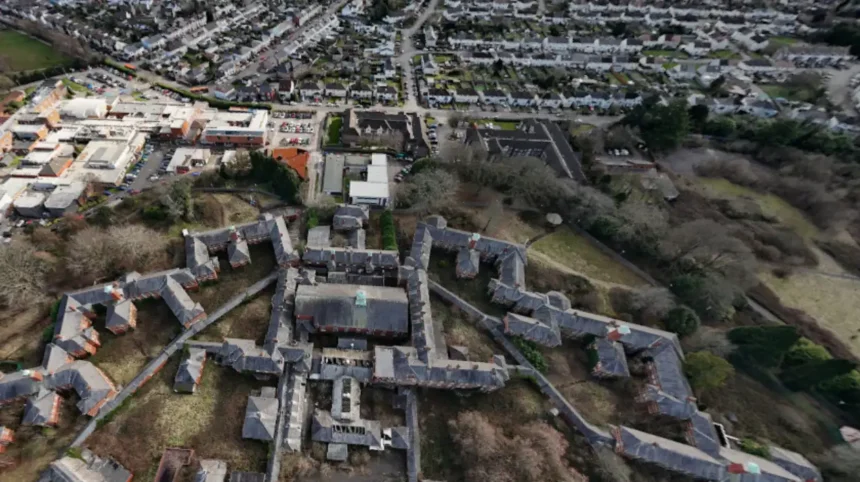
The former Whitchurch Hospital on Park Road is being sold by Velindre University NHS Trust to a private buyer or developer, after lying vacant since 2016 and following a 2024 ownership transfer from Cardiff and Vale University Health Board. The site includes a large historic hospital complex, playing fields, and surrounding parkland in a residential part of Cardiff, just northeast of the city centre.
Whitchurch Hospital opened in the early 20th century as a specialist mental‑health facility and later evolved into a general hospital before being closed in April 2016, when services were relocated to other sites in the Cardiff and Vale University Health Board network. After closure, the site was allowed to fall into disrepair, prompting local complaints about safety, fly‑tipping, and missed opportunities to reuse the land.
In November 2024, legal ownership of the site passed to Velindre University NHS Trust, which now manages the hospital buildings and roughly 32.5 acres (about 13.1 hectares) of grounds. The Trust has since started safety and clearance work, including vegetation management, security improvements, and consultation with Cardiff Council’s planning and heritage teams.
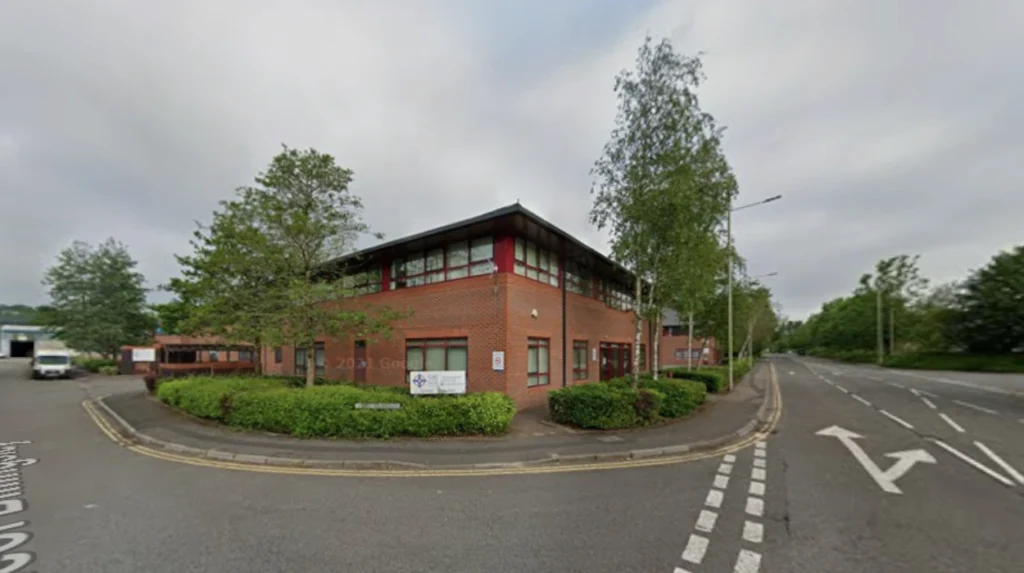
The current sale listing describes the site as a “mixed‑use development opportunity” with residential, leisure, and community‑facility potential, subject to local planning policy and heritage‑listing constraints. The estate is close to Whitchurch High School, the Taff Trail, and established residential streets, which makes it attractive for both housing and community projects.
Why is the Whitchurch Hospital sale important for the local community?
The sale matters because the 32‑acre site sits in a densely populated residential area with limited open space, and any redevelopment will affect housing supply, green‑space access, flood‑risk management, and local infrastructure such as roads and schools. Residents, community councils, and campaign groups have been involved for years in debates over how the land should be used.
Historically, the site was part of a larger green‑corridor network extending toward the Taff Trail and surrounding valleys, which increases its ecological and recreational value. When the hospital closed, local activists argued that the land should be used for affordable housing rather than expanding development on nearby green‑belt areas such as Northern Meadows.
Cardiff Council’s Local Development Plan (LDP) had already identified the Whitchurch Hospital site as a “candidate site” for mixed‑use development, including residential, leisure, employment, community, and retail facilities plus playing fields. That classification means the site is formally recognised as suitable for significant redevelopment, but any scheme must still meet sustainability, character‑of‑area, and heritage requirements.
Health‑service and Welsh Government bodies have stressed that the site must comply with planning policies, Listed Building consents, and historic‑park‑and‑garden protections, because several structures and the wider grounds are Grade II listed. This restricts how much can be demolished or altered, and encourages conversion rather than wholesale replacement of the main hospital buildings.
For residents, the sale raises questions about traffic, school catchment pressures, flooding, and recreation provision, especially because the site borders residential streets and major footpaths. Community groups have used consultations and local‑media coverage to push for more housing, maintained green space, and fewer purely commercial schemes.
What do we know about the proposed redevelopment plans so far?
Proposals discussed publicly include mixed‑use schemes combining residential housing, community facilities, and some leisure or employment uses, but no final planning permission has been granted and the detailed design will depend on the buyer and local‑planning outcomes. Developers and agents have highlighted the potential to retain and adapt the historic hospital buildings while adding new homes and open space.
Cardiff Council’s Local Development Plan framework envisages a mixed‑use development of around 22.2 hectares (roughly 55 acres) at the site, including housing, leisure, employment, community, and retail facilities, plus playing fields. Because the actual hospital estate is about 13.1 hectares (32.5 acres), the plan implies that the scheme may be implemented in phases or may be slightly smaller than the original candidate‑site footprint.
The site contains Grade II listed buildings, including the main hospital and an adjacent chapel, plus six octagonal shelters in the gardens, and the whole grounds are registered as a historic park and garden. Conservation‑management‑plan work has been commissioned to guide how these assets can be reused, for example as community centres, care facilities, or educational buildings.
Agents marketing the site for Velindre Trust describe it as an opportunity to revitalise a former Edwardian hospital within its own gardens, with existing sporting facilities such as pitches and possibly tennis courts. The Gross Internal Area (GIA) of the buildings is about 31,122 square metres (334,998 square feet), which opens options for large‑scale conversions into flats, offices, or public facilities.
Pre‑application planning discussions have been submitted to Cardiff Council, indicating that developers are testing concept layouts, access routes, and traffic‑impact modelling before a full reserved‑matter application is lodged. Key unresolved issues include the number and type of homes, car‑parking standards, pedestrian access to the Taff Trail, and protection of mature trees and wildlife corridors.
Heritage‑protection rules mean that any significant redevelopment must demonstrate how it will preserve the character and fabric of the listed structures, while still meeting modern building‑regulation and accessibility standards. This often leads to higher‑cost refurbishment instead of demolition, but can also create a more distinctive and place‑based neighbourhood.
How could the Whitchurch Hospital sale affect local schools?
The redevelopment has the potential to add new homes to the Whitchurch area, which may increase pupil numbers at nearby schools such as Whitchurch High, primary schools on Llanedeyrn and Birchgrove, and nursery schools, depending on how many family‑oriented dwellings are built. Any surge in demand would be felt first at the catchment‑area schools mentioned in admission‑area documents and council planning‑impact statements.
Whitchurch High School is already one of the largest secondary schools in Wales, with about 2,400 pupils across its two campuses (Upper and Lower), and serves families across Whitchurch, Llanedeyrn, Llanishen, and parts of Lisvane. The Government’s three‑tier system in Cardiff places Years 7–9 at the Lower School and Years 10–11 at the Upper School, which is physically close to the hospital site.
If the Whitchurch Hospital redevelopment includes a substantial number of family‑sized homes, the school may face roster‑class‑growth pressure, requiring additional teaching staff, temporary classrooms, or review of the local catchment boundaries. Cardiff Council’s education‑planning department typically monitors housing‑intensification around the city and can adjust primary‑school federation arrangements or propose new primary places in growing areas.
Primary‑level impacts are likely to be seen first at Whitchurch Primary School, Llanedeyrn Primary, and other nearby schools, which feed into Whitchurch High. A single‑phase development of several hundred homes could push individual primaries toward their net‑capacity limits, requiring extensions or split‑site arrangements similar to the existing Whitchurch High model.
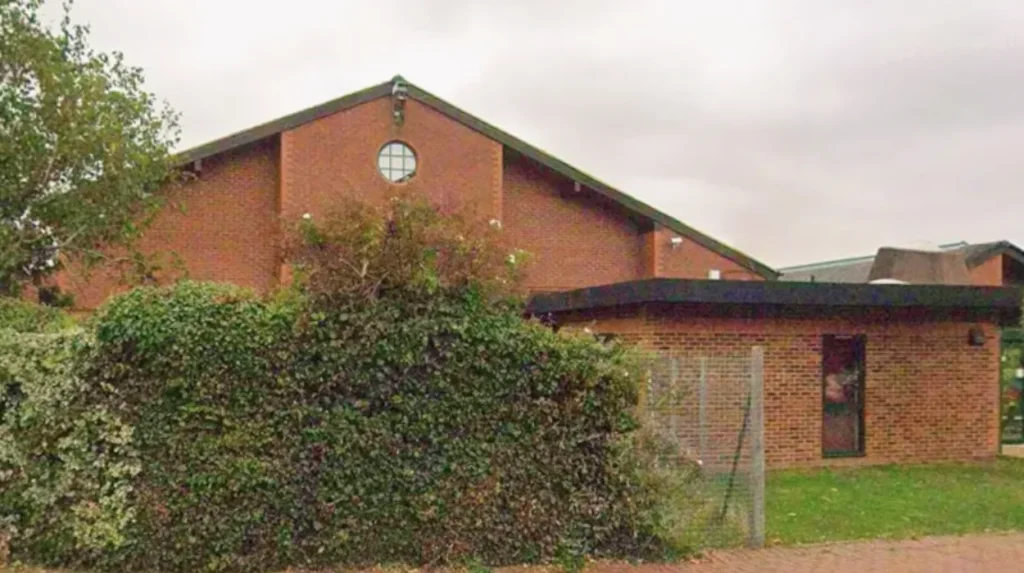
On the positive side, developers may be required to contribute to education‑infrastructure funding under the Community Infrastructure Levy (CIL) or specific planning‑obligation agreements, which can fund new classrooms, sports facilities, or specialist accommodation. Some mixed‑use proposals have suggested that part of the site could be used for community or educational facilities, potentially easing pressure on nearby schools by providing shared‑use halls or training spaces.
Local‑school leaders are also concerned about safeguarding and traffic around the Upper School if the site is redeveloped with more residential uses and improved access. In March 2026, for example, Whitchurch High’s head issued a public letter warning parents about planned school‑to‑school fights, highlighting how the school engages with community‑safety issues and patrols around the area.
What does the Whitchurch Hospital sale mean for local housing and home‑buyers?
The sale creates the possibility of several hundred new homes on a large, well‑connected site in north Cardiff, which could ease pressure on the local housing market but may also push up prices and rents if the focus is on higher‑end private developments. The exact mix of housing types, tenures, and price points will depend on the winning developer’s scheme and the planning conditions set by Cardiff Council.
The site’s size—about 32.5 acres—means it could accommodate anything from a few hundred to well over a thousand homes, depending on the density chosen. Typical Cardiff‑urban‑village schemes on similar‑sized brownfield sites often aim for medium‑to‑high density flats and townhouses, with some low‑rise family housing.
Policy‑wise, Cardiff Council’s Local Development Plan expects that infill and brownfield sites like Whitchurch Hospital should prioritise housing and community uses over sprawling commercial parks. National planning advice in Wales also encourages maximising the use of under‑utilised urban land to reduce pressure on green‑belt areas such as Northern Meadows.
Many local residents have campaigned for a significant proportion of the housing to be affordable or social rent, to avoid concentrating only market‑led flats aimed at investors. Precedent schemes in Cardiff, such as those at Pontprennau or Rumney, have included sections of social‑rent and shared‑ownership units, often secured through Section 106 agreements or CIL‑funded housing‑partnership deals.
If the site is developed mainly as private‑rental or buy‑to‑let stock, the impact on Whitchurch house prices could be mixed: proximity to new amenities and transport links may raise values, while an oversupply of flats could soften prices in the immediate vicinity. Estate‑agent data for the area already shows that Whitchurch is a popular commuter‑area suburb, with strong demand for three‑bed family homes close to the city centre and train stations.
From a practical‑buying point of view, local buyers should monitor planning‑committee decisions, section‑106 agreements, and reserved‑matters applications for the site, since these documents spell out the eventual number of affordable homes, car‑parking ratios, and design‑style guidelines. Community‑group summaries and council‑web‑portal updates are the most reliable places to track these details as the sale progresses.
How might the Whitchurch Hospital redevelopment affect local green space and flooding?
The redevelopment is likely to reduce some of the current open land, but policy and community pressure have pushed for retention of key green areas, sports facilities, and flood‑storage functions, especially around the Taff Trail and nearby watercourses. The 30‑plus‑acre site currently acts as a large grassy buffer between housing and the river, which has implications for water‑runoff and local biodiversity.
Planning‑policy documents and conservation‑management work highlight the need to protect the character of the historic park and garden while integrating new buildings. This usually means keeping substantial areas of open space, mature trees, and permeable surfaces, rather than paving over the entire site.
The existing estate already includes playing fields and sports facilities, which local‑sports groups and schools have used informally or under access agreements. Proposals for the site often include retaining some of these as community‑use pitches, which helps meet Cardiff Council’s standards for sports‑and‑recreation provision in growing areas.
Hydrology‑wise, the site lies near the River Taff and its associated flood‑plains, so any new development must comply with flood‑risk assessments and sustainable‑urban‑drainage (SUDS) requirements. This can mean using permeable paving, rain‑gardens, and detention basins to slow surface‑water runoff and reduce pressure on local sewers.
Campaigners have argued that building on the Whitchurch Hospital site would be preferable to developing nearby green‑belt, such as Northern Meadows, which is more ecologically sensitive and harder to drain. By concentrating intensification on this brownfield site, planners can preserve broader green corridors while still adding housing capacity.
At the same time, residents worry that increased hard‑surfacing, more cars, and altered drainage patterns could raise localised flood risks, especially in the lower parts of Whitchurch and Llanedeyrn. Environmental‑assessment appendices to the LDP and future planning applications are intended to model these impacts and define mitigation measures, such as upgraded drainage, weir‑adjustments, or realigned footpaths.
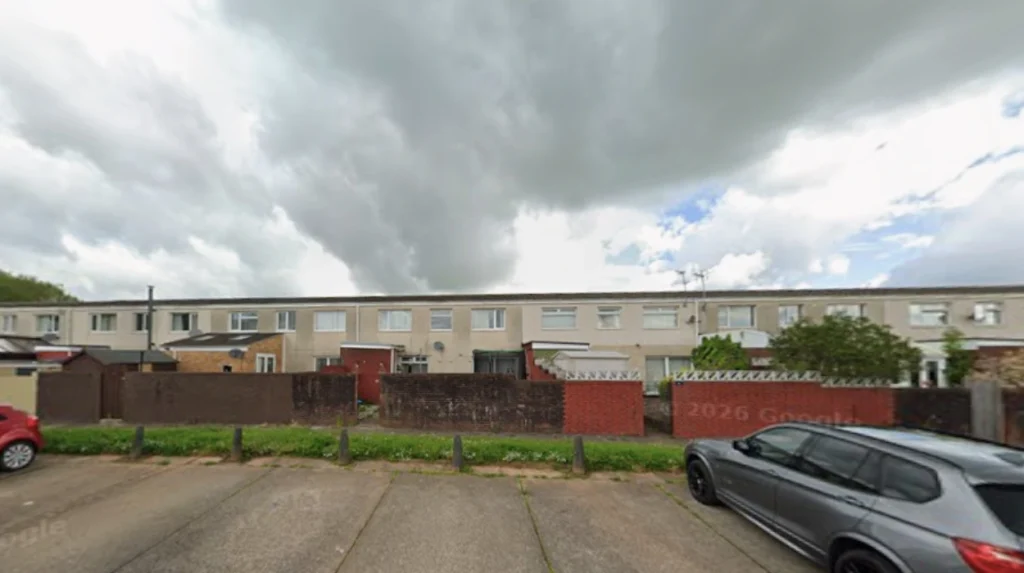
What should Cardiff residents watch for in the coming months?
Residents should monitor Cardiff Council’s planning‑portal updates, public consultations, and community‑council meetings where the Whitchurch Hospital scheme is likely to be debated, because the form of the final development will shape local schools, traffic, housing, and green‑space use for decades. Media reports on the sale, local‑Facebook groups, and newsletters from the Whitchurch and Tongwynlais Community Council are useful follow‑up sources.
Key milestones to track include the submission of a full planning application, any pre‑application‑consultation events, and the Local Planning Authority’s decision letter on the scheme. These documents will specify the number of homes, the proportion of affordable units, changes to access roads, and conditions for protecting listed buildings and green space.
Community groups have already used the Northern Meadows debate and local‑media coverage to highlight alternative visions for the Whitchurch land, such as prioritising social‑rent housing and community facilities. Continued engagement via surveys, representation at council meetings, and written responses to consultation documents can influence how the final design is tweaked.
For families, the most sensitive issues will be schools, traffic around Whitchurch High, and the quality of any new open space. Monitoring the school‑admission‑area maps and Cardiff Council’s education‑growth forecasts will help anticipate whether additional classrooms or a new primary school may be needed in the area.
Overall, the Whitchurch Hospital sale is a long‑term, estate‑shaping event for the Whitchurch and wider Cardiff‑north community, not just a one‑off property transaction. Keeping an eye on official planning documents, NHS‑Trust updates, and local‑news coverage will give residents the most accurate picture of how the site will change and what it will mean for their daily lives.