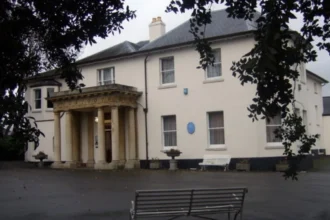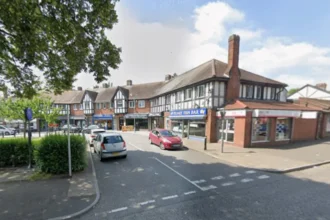

Whitchurch is a market town located in the Shropshire unitary authority area of England. The town sits near the border with Cheshire and Wales, giving it a distinct geographic position within the North West Midlands. With a population of approximately 9,000 residents, Whitchurch has undergone significant transformation through structured community development programmes, local planning frameworks, and infrastructure investment over several decades. Whitchurch community development covers housing expansion, public service improvement, environmental sustainability, transport connectivity, and civic engagement initiatives.
- What Is the History Behind Whitchurch Community Development?
- How Does Shropshire Council Govern Community Development in Whitchurch?
- What Housing Development Has Taken Place in Whitchurch?
- What Infrastructure Improvements Support Whitchurch Community Development?
- How Does Economic Development Connect to Community Growth in Whitchurch?
- What Are the Future Plans for Whitchurch Community Development?
What Is the History Behind Whitchurch Community Development?
Whitchurch has a documented settlement history dating back to the Roman period, when the site was known as Mediolanum. The town served as a military and civilian posting station along a Roman road network connecting Chester to the south. This foundational infrastructure established early patterns of connectivity that influenced the town’s later development.
During the medieval period, Whitchurch became an important trading centre. The town received its market charter in the 13th century, and the grain and livestock trades formed the economic basis for urban expansion. The construction of St Alkmund’s Church, a Georgian structure completed in 1713 on the site of an earlier medieval building, represents one of the town’s most significant architectural landmarks and remains central to community identity today.
The arrival of the Cambrian Railway in the 19th century transformed Whitchurch into a regional junction point. The railway connected the town to Crewe, Shrewsbury, and Oswestry, accelerating population growth and the development of industrial premises, retail trade, and residential housing. By 1901, the population had grown substantially from earlier estimates, reflecting the economic impact of rail connectivity on local community formation.
Post-World War II planning saw Whitchurch included within national housing development strategies. The introduction of the Town and Country Planning Act 1947 placed Whitchurch under formal planning oversight, requiring all significant development to receive local authority approval. This legislative framework marked the beginning of structured community development in the town as understood in the modern planning sense.
How Does Shropshire Council Govern Community Development in Whitchurch?
Shropshire Council, established as a unitary authority in 2009 following the abolition of the former Shropshire County Council and district councils, holds planning and development authority over Whitchurch. The council replaced the former North Shropshire District Council, which had previously administered the area. This reorganisation consolidated planning decisions into a single tier of local government, streamlining the approval process for development projects.
The primary planning document governing Whitchurch is the Shropshire Local Plan, which sets out land use policies, housing allocations, and infrastructure priorities for the period through 2038. The plan designates Whitchurch as a “principal centre,” a classification applied to towns that serve as hubs for employment, retail, and public services for surrounding rural communities. This designation means Whitchurch receives proportionally higher allocations of new housing and commercial development than smaller settlements within the unitary authority.
The Whitchurch Strategic Development Area is a defined zone within the Local Plan that allocates land for significant new residential and employment development. This allocation includes provisions for primary education expansion, road improvements, open space creation, and sustainable drainage systems. Shropshire Council conducts formal public consultations at each stage of plan preparation, enabling residents, community groups, and businesses to submit representations on proposed developments.
The Whitchurch Town Council operates separately as a parish-level body. It does not hold planning determination powers but acts as a statutory consultee on planning applications. The town council manages local assets including parks, open spaces, and the town’s market, and administers its own precept budget drawn from local council tax revenue.
What Housing Development Has Taken Place in Whitchurch?
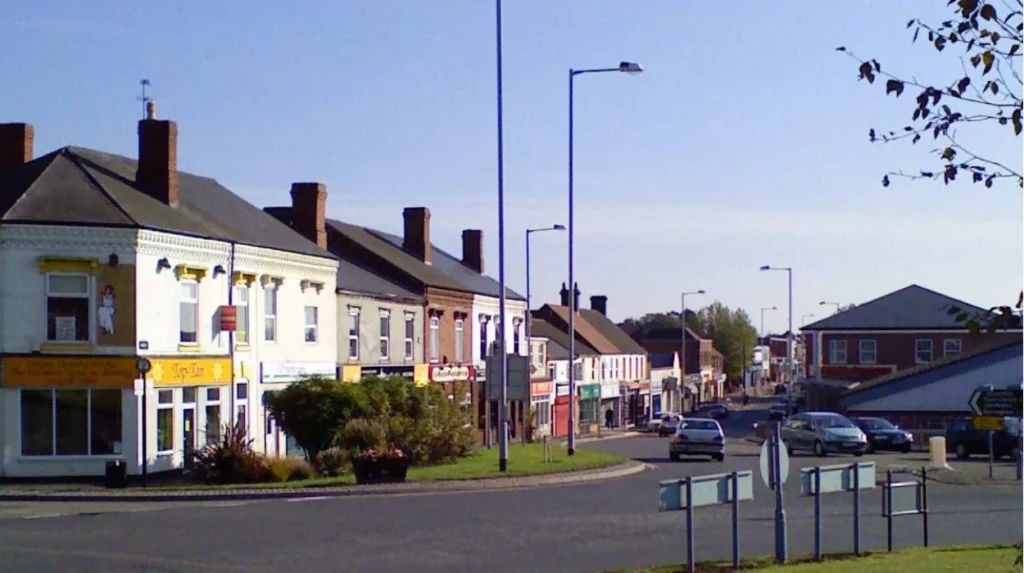
Housing development in Whitchurch has accelerated significantly since 2010. Between 2011 and 2021, the town experienced an increase in dwelling stock that outpaced the national average for rural market towns, driven by both organic demand and planned allocation from the Local Plan. New housing sites were developed to the north and south of the town centre, with the northern expansion connecting to established residential streets near the Whitchurch Business Park.
The Brownhills Road and Edgeley Road corridors have accommodated substantial residential growth. Developers including national housebuilders constructed estates of predominantly three and four-bedroom detached and semi-detached properties targeting families relocating from larger urban centres such as Chester, Crewe, and Shrewsbury. This demographic movement created demand for expanded school capacity, GP services, and retail provision within the town.
Affordable housing requirements form a mandatory component of large residential planning approvals in Whitchurch. Under Shropshire Council policy, major developments of 10 or more dwellings are required to include a specified proportion of affordable units. These units are managed by registered housing providers and allocated through the council’s housing register to applicants who meet local connection or housing need criteria.
The council has also supported the development of retirement housing to address the ageing demographic profile of the area. North Shropshire, of which Whitchurch forms a part, has one of the older population profiles in the West Midlands region. Specialist housing for older residents reduces pressure on residential care provision and enables older homeowners to release larger properties into the general housing market.
What Infrastructure Improvements Support Whitchurch Community Development?
Infrastructure investment is a primary driver of sustainable community development in Whitchurch. Road improvements have been prioritised alongside housing growth to manage increased vehicle movements. The A41, which passes through Whitchurch connecting the M6 motorway near Whitchurch to Wolverhampton in the south, serves as the main arterial route. Traffic management studies commissioned by Shropshire Council have assessed junction capacity at key points within the town and informed requirements for developer contributions through Section 106 agreements.
The Whitchurch Bypass, a stretch of the A49 trunk road, redirects through traffic away from the historic town centre. This infrastructure has reduced congestion and improved air quality in the commercial core of the town, supporting the viability of the high street and the weekly Thursday market. Transport investment studies have examined the feasibility of further bypass improvements to accommodate long-term development traffic.
Broadband and digital connectivity infrastructure has been extended across Whitchurch as part of the UK government’s Project Gigabit programme. Gigabit-capable broadband, defined as infrastructure capable of delivering download speeds of 1,000 megabits per second, supports home working, business formation, and digital public service delivery. This investment reduces the relative disadvantage of rural market towns compared to urban centres and supports economic development goals within the Whitchurch community.
Water and sewage infrastructure managed by Severn Trent Water and United Utilities requires upgrading in line with housing growth. Developer contributions and utility investment plans address capacity requirements at wastewater treatment facilities serving the town’s expanded population. Sustainable urban drainage systems are required on new developments to manage surface water runoff and reduce flood risk in low-lying areas near Whitchurch Pool and the River Roden.
How Does Economic Development Connect to Community Growth in Whitchurch?
Economic development and community development are structurally linked in Whitchurch. The Whitchurch Business Park, located on the eastern edge of the town, accommodates light industrial, distribution, and professional services businesses. The business park has provided employment for several hundred people and attracted investment from businesses relocating from higher-cost urban locations. Continued expansion of employment land is identified in the Local Plan as a priority to reduce out-commuting and improve the self-sufficiency of the local economy.
The dairy and agricultural sector remains a significant part of the local economy. The Muller Dairy plant, located near Whitchurch, is one of the largest dairy processing facilities in the United Kingdom and employs a substantial workforce from the town and surrounding villages. Agricultural supply businesses, veterinary services, and related professional sectors support a rural economy that underpins Whitchurch’s market town function.
The town centre retail offer includes independent traders, national convenience store brands, and a weekly general market. The market operates under a charter dating to the medieval period and attracts visitors from across North Shropshire and the adjoining parts of Cheshire. Retail vacancy rates in Whitchurch have been monitored by the council as part of the Local Plan evidence base, with targeted support for town centre regeneration provided through heritage-led investment and public realm improvement schemes.
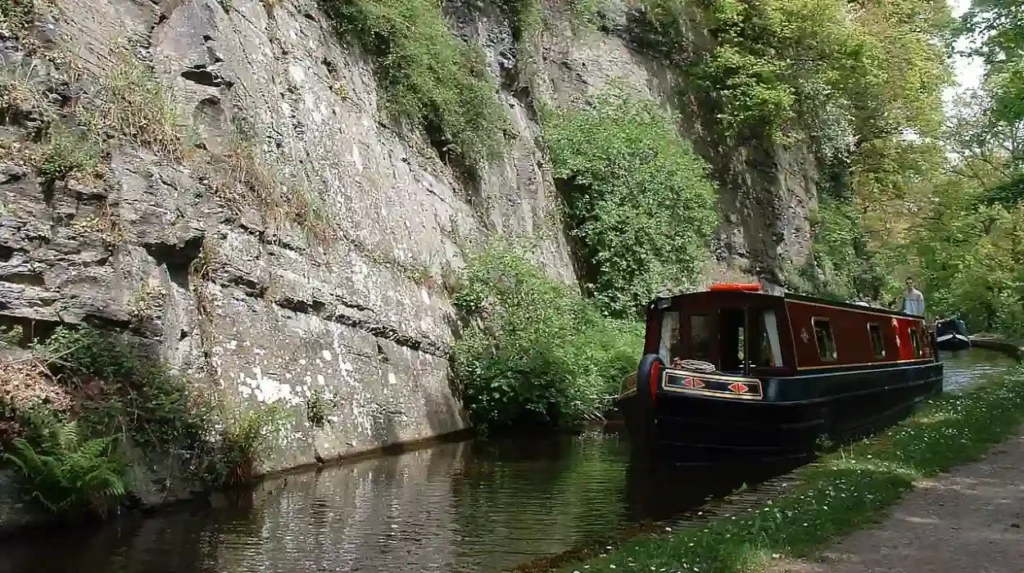
Tourism plays a supporting role in the local economy. The Llangollen Canal passes through Whitchurch at its northern terminus, connecting the town to the broader inland waterways network. The canal towpaths provide walking and cycling routes, and narrowboat holiday businesses operate from the Whitchurch Arm of the canal. Heritage tourism associated with the town’s Roman, medieval, and Georgian history contributes visitor expenditure to local hospitality businesses.
What Are the Future Plans for Whitchurch Community Development?
The Shropshire Local Plan adopted through 2038 sets out specific development targets for Whitchurch. These targets include the delivery of new residential units, employment land provision, green infrastructure corridors, and improvements to public open space. The plan identifies a need to balance growth with the preservation of the town’s historic character, requiring design quality standards for new development that respect the architectural context of the conservation area and its registered historic buildings.
Environmental sustainability is a central theme in future Whitchurch community development. New development sites are required to demonstrate biodiversity net gain under the provisions of the Environment Act 2021. This requirement means developers must achieve a measurable increase in biodiversity value compared to the baseline condition of the development site. Biodiversity net gain assessments use a nationally standardised metric to calculate habitat units before and after development.
Renewable energy infrastructure and energy-efficient construction standards are being integrated into new housing requirements. Future housing built in Whitchurch will be subject to the Future Homes Standard, which requires new homes to produce 75 to 80 percent fewer carbon emissions than homes built under 2013 building regulations. This standard was developed by the UK government’s Department for Levelling Up, Housing and Communities and takes effect from 2025 onward for new residential developments.
Community health infrastructure is a further priority. The existing GP practice capacity within Whitchurch has faced pressures from population growth. NHS Shropshire, Telford and Wrekin Integrated Care Board, the body responsible for commissioning primary care services in the area, has engaged with Shropshire Council to ensure that developer contributions and capital investment plans address health facility requirements alongside housing growth. A fit-for-purpose primary care offer is identified as essential to maintaining the quality of life that makes Whitchurch an attractive place for incoming residents and long-term community wellbeing.
Civic engagement remains a mechanism for guiding Whitchurch community development priorities. Neighbourhood planning tools enabled under the Localism Act 2011 allow town and parish councils to produce Neighbourhood Development Plans that carry statutory weight in planning decisions. Whitchurch Town Council has the capacity to produce such a plan, which would allow local residents to set specific policies on housing design, employment land, green space, and community facilities. A Neighbourhood Development Plan, once adopted following a successful local referendum, forms part of the statutory development plan and must be taken into account by Shropshire Council when determining planning applications within the designated neighbourhood area.
Whitchurch community development represents a multi-decade process rooted in formal planning policy, infrastructure investment, economic diversification, and civic participation. The town’s position as a principal centre within Shropshire, combined with its accessibility to regional transport networks and its historic market town identity, provides a strong foundation for continued structured growth through the late 2030s and beyond.
What is the community like in Whitchurch?
Whitchurch is a close-knit market town in Shropshire with a population of around 9,000. The community is characterised by active civic participation, a strong market trading tradition, and rural connectivity. Local groups, town council initiatives, and heritage organisations contribute to a well-engaged resident base.
What is there to do in Whitchurch?
Whitchurch offers canal walks along the Llangollen Canal, a weekly Thursday market, heritage trails, and independent local shops. St Alkmund’s Church and the town museum provide cultural interest. The surrounding countryside supports cycling, walking, and rural tourism activities throughout the year.
What is the purpose of a community centre?
A community centre is a public facility that provides space for local meetings, social events, educational programmes, and support services. It serves as a shared resource for residents of all ages and backgrounds. Community centres strengthen social cohesion and reduce isolation within residential areas.
What year did Whitchurch Hospital close?
Whitchurch Hospital, a psychiatric institution located in Cardiff rather than the Shropshire market town, closed its inpatient services in stages during the 1990s and early 2000s. The facility operated as a large Victorian-era asylum from 1908. Deinstitutionalisation policy under the NHS shifted care to community-based mental health services.
How long can you stay in a mental hospital in the UK?
There is no fixed maximum duration for a psychiatric hospital stay in the UK. Patients detained under the Mental Health Act 1983 are reviewed regularly by clinicians and independent tribunals. Voluntary patients may leave at any time, while detained patients are discharged once assessed as no longer meeting the legal criteria for continued detention.