Key Points
- A Cardiff landlord was fined after serious housing safety breaches were found at a property in Canton.
- Officers from Shared Regulatory Service found water leaking towards electrical equipment, inadequate fire precautions and an unlawfully created residential annex.
- The property at 328 Cowbridge Road East included a vacant commercial unit, a first floor flat and an annex maisonette.
- The landlord, John Hitchman Small, of Lansdowne Road, Canton, appeared at Cardiff Magistrates’ Court on May 1, 2026 and pleaded guilty to 19 offences.
- Magistrates fined him £369, ordered him to pay £464 costs and imposed a £148 victim surcharge.
- Council officers said the annex had been created without planning permission and without Building Control oversight.
- An Emergency Prohibition Order was made on the annex maisonette because of the risk to occupiers.
Cardiff (Cardiff Daily) May 18, 2026 — Cardiff Landlord Fined for Dangerous Housing Safety Breaches — May 18, 2026 — a landlord has been fined after officials uncovered a series of serious safety breaches at a rented property in Canton, where water was leaking near electrical equipment and multiple fire safety failings were identified, according to Cardiff Council and the Shared Regulatory Service.
What happened at the property?
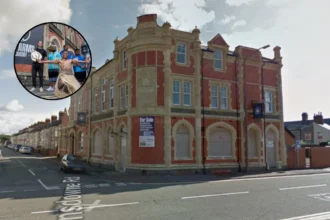
As reported by Cardiff Council in its official statement, officers first received a complaint in September 2025 from the occupier of the ground and first floor annex maisonette at 328 Cowbridge Road East, after water was reported leaking onto the electrical consumer unit. The property was described as a Victorian terraced building containing a vacant ground floor commercial unit, a first floor flat and the annex maisonette. Council checks then confirmed the annex had been created without planning permission and without Building Control oversight.
Which hazards were found?
Inspectors carried out further checks in October 2025 and identified a series of hazards. These included no adequate fire alarm system, non-compliant flat entrance doors, a lack of fixed heating systems and partitions that did not provide the required fire resistance. Officers also found a bedroom in the maisonette configured as an inner room with no safe escape route, along with trip and fall hazards and an overgrown rear garden that could attract rodents.
What did the council say?
Cardiff Council said the findings showed the property presented imminent and serious risks to occupiers. The council also said Mr Small had failed to comply with the Licensing and Management of Houses in Multiple Occupation (Additional Provisions) (Wales) Regulations 2007 and was not registered or licensed with Rent Smart Wales, as required under the Housing (Wales) Act 2014. A requisition for information was served on him on 6 October 2025 under the Local Government (Miscellaneous Provisions) Act 1976, but he did not comply.
What was the court outcome?
The prosecution was brought after the council prepared a case covering 19 offences under the Housing Act 2004, the Housing (Wales) Act 2014 and the Local Government (Miscellaneous Provisions) Act 1976. At Cardiff Magistrates’ Court on 1 May 2026, John Hitchman Small pleaded guilty to all 19 charges. Magistrates imposed a £369 fine, £464 towards Cardiff Council’s costs and a £148 victim surcharge.
Why does this matter to tenants?
The case underlines the legal duties landlords in Wales have to keep homes safe, properly licensed and fit for occupation. It also shows how fire safety defects, poor internal layout and unsafe electrical conditions can lead to enforcement action when councils identify immediate risks. For tenants, the case is a reminder that complaints about leaks, fire protection, escape routes and licensing can trigger formal inspections and, where needed, restrictions on occupation.
Explore More Canton News
103‑Home Social Housing Scheme Breaks Ground in Cardiff 2026
Greens Surge Cardiff: No Labour Votes, Zach Energy 2026
Background of the development
This case sits within wider housing enforcement work in Wales, where councils and regulatory services inspect homes, investigate complaints and prosecute landlords when properties fall below required standards. The legal framework mentioned in the case includes housing and licensing laws that govern standards, registration and management of rented homes. The use of an Emergency Prohibition Order shows that, where risks are severe enough, authorities can prevent part of a property from being occupied until safety work is completed.
Prediction
For tenants in Cardiff and similar urban rental areas, this development is likely to reinforce awareness of reporting unsafe conditions early, especially where fire safety, electrics or escape routes are concerns. For landlords, the case may encourage closer attention to licensing, planning approval, building control and fire precautions because failures can lead to prosecution, fines and restrictions on letting. For local authorities, it may support continued enforcement activity around high-risk housing stock, particularly where converted buildings and annexes create compliance issues.