Key Points
- Legal Action: Landlord John Hitchman Small pleaded guilty to 19 housing offences at Cardiff Magistrates’ Court.
- Financial Penalty: The court imposed a fine of just under £1,000 following the guilty pleas.
- The Catalyst: An investigation was launched after a tenant reported water leaking directly onto an electrical unit inside the property.
- Severe Hazards: Inspection officers discovered a lack of a suitable fire alarm system, incomplete fire doors, unsafe escape routes, a total absence of fixed heating, multiple trip hazards, and generally poor living conditions.
- Licensing and Planning Failures: Investigators established that the property lacked the mandatory Rent Smart Wales licence, and an annex had been constructed on-site without valid planning permission.
- Official Response: Cardiff Council issued a statement reinforcing its commitment to tenant safety and maintaining legal standards across the private rental sector.
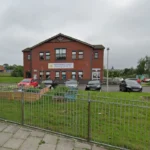
Canton (Cardiff Daily) May 20, 2026 — A local landlord has been ordered to pay a fine of just under £1,000 after pleading guilty to 19 separate housing offences linked to severe safety and structural breaches at a private rental property in the Canton area of the city. John Hitchman Small entered the guilty pleas at Cardiff Magistrates’ Court on May 1, 2026, following an extensive multi-agency investigation triggered by acute safety concerns raised directly by a resident.
- Key Points
- The Investigation and Evidentiary Findings
- What Hazards Did Enforcement Officers Discover Inside the Canton Property?
- How Did Licensing and Planning Violations Complicate the Case?
- Official Statements and Judicial Outcome
- Background of the Private Rental Framework in Wales
- Prediction and Future Implications for the Rental Market
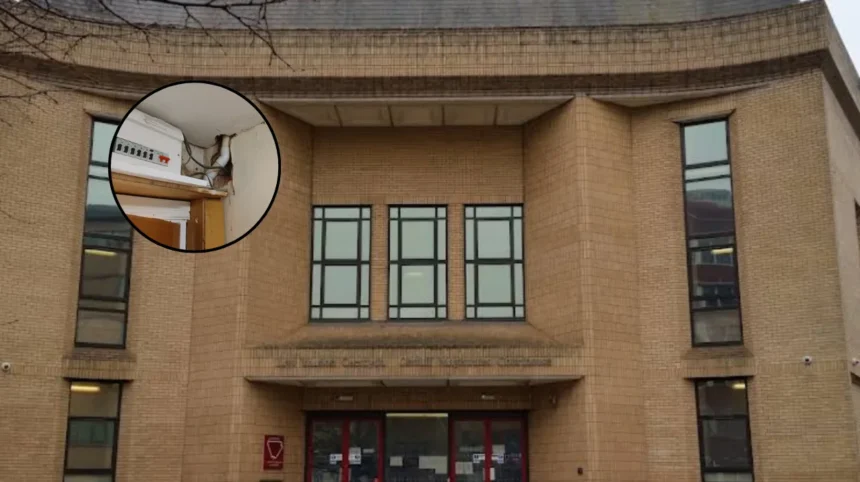
The case came to light after an occupant of the property contacted local authorities to report water leaking directly onto an electrical consumer unit, posing an immediate risk of fire or electrocution. This initial complaint prompted an emergency site visit by enforcement officers attached to Shared Regulatory Services (SRS)—the joint body handling environmental health and licensing for Cardiff, the Vale of Glamorgan, and Bridgend. The subsequent physical inspections of the premises revealed a widespread failure to maintain basic legal housing standards, culminating in criminal prosecution.
The Investigation and Evidentiary Findings
What Hazards Did Enforcement Officers Discover Inside the Canton Property?
During their physical evaluation of the Canton premises, Shared Regulatory Services inspectors uncovered an array of overlapping structural and operational hazards that authorities stated placed the building’s occupants at immediate physical risk. According to the investigative dossier compiled by the SRS case officers, the property entirely lacked a functionally adequate, interconnected fire alarm system, which is a foundational requirement under British residential safety laws.
Furthermore, inspectors documented that internal fire doors were left incomplete or improperly maintained, effectively compromising the building’s ability to contain smoke and flames in an emergency. This structural deficit was exacerbated by the presence of obstructed and unsafe escape routes, meaning tenants would face significant barriers when attempting to evacuate the structure.
Beyond fire safety non-compliance, the environmental health team noted severe deficiencies in the property’s basic utility provision. The property contained no fixed heating systems, forcing residents to rely on inadequate or potentially dangerous temporary solutions during colder periods. Investigators also catalogued multiple structural trip hazards alongside pervasive poor living conditions, categorised under the Housing Health and Safety Rating System (HHSRS) as detriments to human health.
How Did Licensing and Planning Violations Complicate the Case?
In addition to the immediate physical dangers found within the living quarters, the SRS investigation revealed systemic non-compliance regarding the legal operation of the tenancy and the physical layout of the estate. Housing records checked by investigators confirmed that the property was not registered or licensed with Rent Smart Wales, the compulsory scheme established under the Housing (Wales) Act 2014 that requires all landlords and agents to register and undergo training before letting properties.
The enforcement team also discovered that an annex had been constructed on the grounds of the property and converted into residential accommodation. A subsequent cross-reference with local authority records confirmed that this secondary structure had been erected and occupied without the required planning permission from the local planning authority, constituting a distinct breach of building control and planning legislation.
Official Statements and Judicial Outcome
Following the conclusion of the legal proceedings at Cardiff Magistrates’ Court, local government officials emphasised that the prosecution forms part of a wider, co-ordinated crackdown on non-compliant landlords operating within the capital.
In an official statement shared by Cardiff Council, authorities stated: “We take tenant safety seriously and will continue to act against landlords who fail to meet legal requirements.”
The council’s legal department noted that the successful prosecution highlights the ongoing, systematic efforts by both the local authority and regional regulatory bodies to identify and eliminate unsafe housing conditions across Cardiff’s private sector. Case notes indicate that the fine of just under £1,000 was determined by the bench of magistrates after taking into account the timely guilty pleas entered by John Hitchman Small, alongside the specific statutory sentencing guidelines applicable to the offences at the time of the hearing.
Background of the Private Rental Framework in Wales
The prosecution of John Hitchman Small occurs within a highly regulated legislative framework designed specifically to protect private tenants across Wales. Under the Housing (Wales) Act 2014, the Welsh Government introduced Rent Smart Wales, a landmark piece of legislation that made it a legal requirement for all landlords owning private rental property in Wales to register themselves and their properties. Furthermore, any landlord who undertakes regular management tasks must obtain a specific licence, which requires passing a fit-and-proper-person check and completing approved training regarding tenant rights, safety regulations, and property maintenance.
In tandem with licensing laws, the Renting Homes (Wales) Act 2016, which fully came into force in December 2022, fundamentally altered how properties are managed. This legislation mandates that all rental properties must be “Fit for Human Habitation” (FFHH). The FFHH regulations explicitly state that a property must feature working, mains-powered smoke alarms, carbon monoxide detectors, and valid Electrical Installation Condition Reports (EICR).
The presence of water leaking onto electrical units, as discovered in the Canton case, represents a direct violation of these statutory requirements. Local authorities delegate the physical inspection and enforcement of these acts to Shared Regulatory Services (SRS), an agency empowered to issue civil penalties, serve improvement notices, or pursue criminal prosecutions in magistrates’ courts when voluntary compliance cannot be secured.
Prediction and Future Implications for the Rental Market
This judicial outcome is expected to trigger several distinct logistical and operational shifts across the local housing ecosystem, particularly affecting private renters, property owners, and regulatory enforcement teams in the Cardiff region.
- For Private Tenants: This case establishes a clear precedent that local enforcement bodies will actively pursue and prosecute structural complaints. Tenants living in substandard conditions within Cardiff can anticipate increased responsiveness from Shared Regulatory Services when reporting critical faults like utility failures or water-electrical hazards. It highlights that tenant-initiated complaints serve as a viable mechanism for triggering structural interventions without fear of arbitrary eviction, given the parallel anti-retaliatory eviction protections built into Welsh law.
- For Landlords and Property Managers: The conviction of John Hitchman Small serves as a stark compliance warning. Landlords operating without Rent Smart Wales credentials or utilizing unapproved structural modifications (such as unauthorized annexes) face elevated risks of prosecution. Property owners will likely increase their expenditure on preventative maintenance, particularly regarding fire door integrity, fixed heating systems, and electrical testing, to avoid the long-term legal liability and reputational damage associated with a criminal record in the magistrates’ court.
- For Local Authorities and Enforcement Agencies: While the financial penalty totals just under £1,000, the recording of 19 distinct guilty pleas strengthens the legal mandate of Cardiff Council to deploy inspectors to high-density rental areas like Canton and Cathays. Moving forward, the council is highly likely to increase its use of joint operations between planning enforcement officers and environmental health teams to detect hidden, unauthorized structural conversions that bypass basic safety certifications.