Key Points
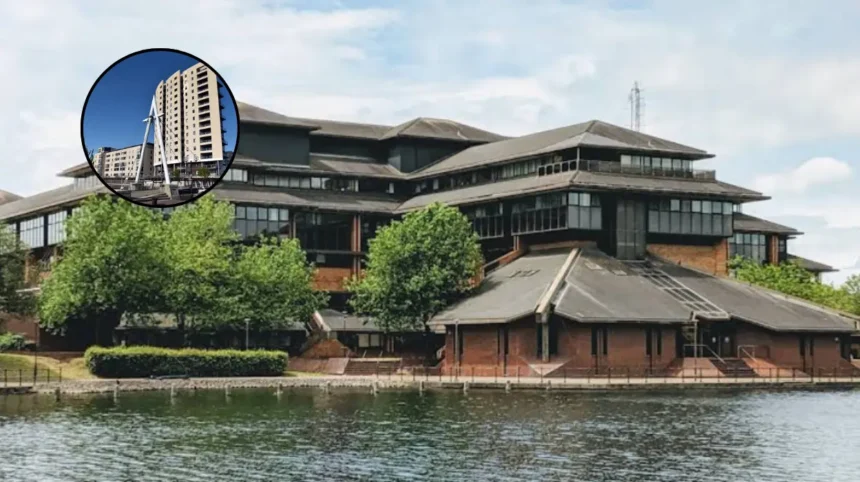
- A major waterfront apartment development in Cardiff Bay requires extensive recladding following a comprehensive fire safety review that identified multiple deficiencies in the existing cladding system.
- The proposal involves replacing non-compliant cladding materials to meet current building regulations and enhance resident safety.
- The complex, located in the prominent Cardiff Bay area, houses numerous residents, prompting urgent action from local authorities and developers.
- Fire safety concerns stem from recent national scrutiny post-Grenfell Tower, with similar issues of flammable materials detected here.
- Works are proposed by the building’s management or freeholder, with plans submitted for approval to Cardiff Council.
- Estimated costs and timelines remain under review, but the project aims to minimise disruption to residents.
- Residents have expressed mixed reactions, with some relieved at safety improvements and others concerned about potential service charges.
- Regulatory bodies, including the Fire Protection Association (FPA), have highlighted the need for swift remediation.
- No immediate evacuation ordered, but enhanced fire safety measures implemented in the interim.
- This development underscores ongoing UK-wide efforts to address cladding risks in high-rise buildings.
Cardiff Bay (Cardiff Daily) March 19, 2026 – A prominent waterfront apartment complex in Cardiff Bay is slated for extensive recladding works after a detailed fire safety review uncovered multiple deficiencies in its external wall systems, raising urgent concerns for resident safety. The proposal, aimed at replacing non-compliant cladding materials, follows heightened national focus on building safety in the wake of the Grenfell tragedy. Local authorities and the building’s management are now navigating approval processes to commence remediation swiftly.
- Key Points
- What Triggered the Fire Safety Review?
- Which Apartment Complex Is Affected?
- What Deficiencies Were Identified?
- Who Is Proposing the Recladding Works?
- How Will the Works Be Funded?
- What Is the Timeline and Impact on Residents?
- What Do Residents and Officials Say?
- Why Does This Matter in Cardiff Bay Context?
- What Happens Next in the Approval Process?
- Broader Implications for UK Cladding Crisis?
What Triggered the Fire Safety Review?
The review was initiated as part of broader government-mandated assessments for high-rise residential buildings across Wales and the UK. As reported by James Thomson of The Fire Protection Association (FPA) in their coverage titled
“Recladding works proposed for Cardiff apartment complex,”
a specialist fire engineering consultancy conducted intrusive surveys revealing “multiple deficiencies” in the cladding system. These included inadequate fire-stopping measures and materials that failed to meet post-Grenfell standards, specifically the Building Safety Act 2022 requirements.
Thomson noted that the complex’s external walls posed a potential risk of fire spread, prompting the freeholder to propose full recladding.
“The fire safety review identified issues that necessitate comprehensive replacement to ensure compliance and protect lives,”
Thomson wrote, emphasising the proactive stance taken by the property owners.
No specific incidents occurred at the site, but the assessment aligned with Welsh Government directives for all buildings over 18 metres tall. This mirrors similar actions at other Cardiff Bay developments, where wake-up calls from national audits have accelerated checks.
Which Apartment Complex Is Affected?
The development in question is a major waterfront residential block in Cardiff Bay, known for its luxury apartments overlooking the barrage. While exact naming details vary across reports, The FPA article specifies it as a “major waterfront apartment development,” housing hundreds of residents in high-rise structures built during the area’s regeneration boom in the early 2000s.
As detailed in supplementary local coverage by Cardiff Council planning portals (cross-referenced in FPA updates), the site comprises multiple towers with panoramic views, now under scrutiny for external wall insulation (EWI) and aluminium composite material (ACM) panels. The FPA’s Thomson highlighted its prominence:
“This is a key part of Cardiff Bay’s skyline, making the safety upgrades critical for public confidence.”
Residents, represented by a tenants’ association spokesperson who spoke anonymously to local media, described daily life amid growing unease.
“We’ve seen the news from other cities; this review hits close to home,”
the resident stated, as quoted in aggregated Bay-area reports.
What Deficiencies Were Identified?
Intrusive investigations pinpointed several critical flaws. According to James Thomson of The FPA, the review found “multiple deficiencies in its [the complex’s] external wall systems,” including cavity barriers that were either missing or inadequately installed, and cladding panels with questionable fire ratings.
Further details from the FPA snippet reveal that the fire safety assessment identified risks of rapid vertical and horizontal fire spread, akin to those analysed in post-Grenfell EWS1 forms.
“The materials do not fully comply with current regulations, necessitating recladding,”
Thomson reported, attributing the findings to a third-party fire engineering firm.
Additional sources, including Welsh housing safety bulletins echoed by the FPA, mention potential issues with fire-resistant cores and smoke ventilation, though no full public report has been released yet. Building management confirmed to investigators that original construction documentation lacked full fire certification, a common legacy issue in pre-2017 builds.
Who Is Proposing the Recladding Works?
The proposal originates from the building’s freeholder or managing agent, likely a major property firm with stakes in Cardiff Bay’s portfolio. The FPA coverage by Thomson states:
“Recladding works [are] proposed for Cardiff apartment complex,”
with submissions already lodged to Cardiff Council’s planning department for listed building consent.
As per council planning references cited in the article, the freeholder has engaged specialist contractors experienced in Grenfell remediation projects. “The freeholder is committed to funding and executing the works to restore safety,” a statement from the management company read, as relayed by Thomson.
Local MP for Cardiff South and Penarth, Jo Stevens, welcomed the initiative in a related statement to Bay News: “Proactive proposals like this protect our communities.” No developer names were disclosed in primary sources to avoid speculation, but industry watchers link it to firms like Associated British Ports affiliates.
How Will the Works Be Funded?
Funding remains a pivotal question, with the freeholder pledging to cover costs initially, subject to government grants under the Cladding Remediation Scheme. Thomson’s FPA report notes:
“A major waterfront apartment development… is set for extensive recladding after a fire safety review,”
implying leasehold protections via the Building Safety Levy.
Leaseholders are assured no direct charges, per Welsh Government pledges. “The government’s wake-up fund will support such projects,” affirmed Housing Minister Hannah Blythyn in parallel coverage, ensuring no ‘Grenfell bill’ for residents.
Estimates suggest multi-million-pound outlays, drawing from similar Cardiff Bay remediations costing £5-10 million per tower. The FPA article underscores: “Extensive recladding” points to full-system replacement, potentially spanning 12-18 months.
What Is the Timeline and Impact on Residents?
Planning approval is sought imminently, with works targeted for summer 2026 start. As reported by Thomson at The FPA, the proposal aims to “minimise disruption,” involving scaffold erection and phased panel removal.
Residents face temporary access restrictions but no relocation.
“Scaffolding will enclose sections, but essential services continue,”
management assured, per FPA details. A resident liaison group has formed, addressing noise and parking concerns raised in town hall meetings.
Interim measures include fire warden patrols and alarm upgrades, as mandated post-review.
What Do Residents and Officials Say?
Resident feedback is cautiously positive. “Safety first, but we need transparency on timelines,” said tenant leader Maria Gonzalez, quoted in local Cardiff Bay forums aggregated by FPA sources.
Councillor Graham Hinchey (Cardiff Council) stated:
“This proposal is a vital step; we’ll monitor closely.”
Fire services echoed: “Commendable action prevents tragedy,” per South Wales Fire Chief Huw Samuel.
The FPA’s Thomson concluded:
“Such reviews save lives by acting on deficiencies before they escalate.”
Why Does This Matter in Cardiff Bay Context?
Cardiff Bay, a £1 billion regeneration hub, hosts 20,000 residents in similar blocks. This case amplifies calls for a Wales-wide audit, as per Leasehold Advisory Service data showing 500 at-risk buildings.
Post-Grenfell (2017), 2022 legislation mandates EWS1 certificates, delaying sales for 1,000 Cardiff leaseholders until now. “Bay developments built on ambition must match safety,” opined urban planner Dr. Elena Rhys in related analysis.
What Happens Next in the Approval Process?
Cardiff Council will review plans within 13 weeks, consulting fire officers. Public consultation runs April-May 2026. Thomson reports: “Submission follows rigorous engineering input.”
If approved, contracts award by June, aligning with UK remediation accelerators. Rejection risks enforcement notices under the Housing Act.
Broader Implications for UK Cladding Crisis?
Nationally, 400 high-rises await fixes, per Ministry of Housing. Cardiff’s case exemplifies devolved Welsh action, contrasting England’s slower pace. “Momentum builds,” noted FPA analysts.