Key Points
- Prosecution and Fines: Business owners Keith and Caroline Munro were ordered by Cardiff Magistrates’ Court to pay a combined total of £7,800 following a successful prosecution by Shared Regulatory Services (SRS).
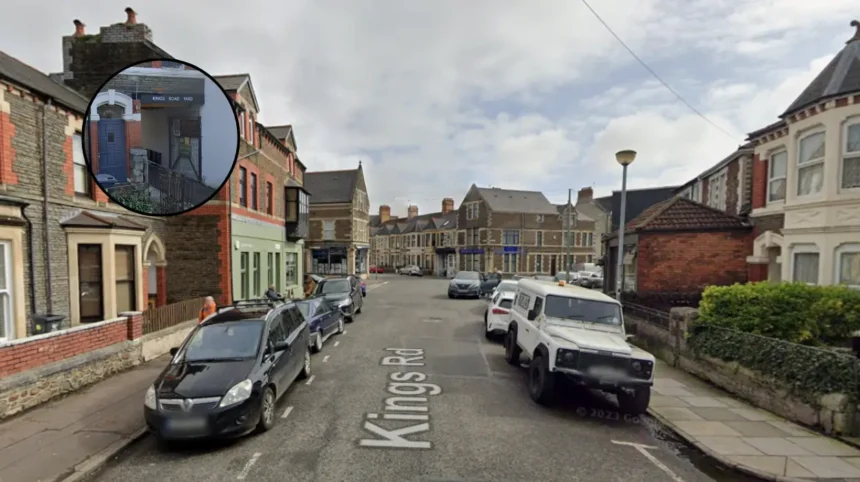
- The Offences: The co-owners pleaded guilty to five distinct breaches of noise abatement notices linked to their commercial activities at Kings Road Yard in Pontcanna, Cardiff.
- Nature of the Noise: The legal infractions involved excessive, uncontrolled noise stemming from amplified music alongside disturbances from large crowds of customers congregating at the site.
- Impact on Residents: Evidence presented to a District Judge demonstrated that the persistent noise issues had a severe, negative impact on the quality of life, health, and well-being of nearby local residents.
- Individual Penalty Breakdown: Each defendant was issued a £1,000 fine (reduced from a higher amount due to their timely guilty pleas), a £2,500 contribution toward prosecution costs, and a £400 victim surcharge, totaling £3,900 per person.
- Council Warning: Local authorities emphasized that while they prefer to work constructively with commercial operators, statutory enforcement actions will be taken against businesses that repeatedly ignore legal warnings.
Cardiff (Cardiff Daily) July 8, 2026 – In a major enforcement action targeting commercial noise pollution within residential areas, Cardiff Magistrates’ Court has handed down hefty financial penalties to two local entrepreneurs. Business partners Keith and Caroline Munro have been ordered to pay a combined total of £7,800 in fines, surcharges, and court costs.
- Key Points
- What Triggered the SRS Investigation into Kings Road Yard?
- How Did the Noise Impact the Pontcanna Community?
- What Fines Did Cardiff Magistrates’ Court Impose?
- How Can Cardiff Residents Report Commercial Noise Nuisances?
- What Is the Local Authority’s Position on Commercial Enforcement?
- Background of Commercial Noise Regulation in Cardiff
- Prediction: How This Ruling Will Affect Hospitality Businesses and Local Communities
The prosecution follows a long-standing dispute regarding persistent noise disturbances emanating from their commercial premises located at Kings Road Yard, 183A King’s Road, Pontcanna, Cardiff, CF11 9DF. Facing a District Judge, both defendants entered guilty pleas to multiple counts of failing to comply with statutory noise abatement notices, ending a comprehensive investigation led by local environmental health officers.
What Triggered the SRS Investigation into Kings Road Yard?
According to official enforcement logs compiled by Shared Regulatory Services (SRS)—the joint body managing environmental health, trading standards, and licensing functions on behalf of Bridgend, Cardiff, and the Vale of Glamorgan councils—the prosecution was the direct result of a escalating friction between the commercial hub and the surrounding neighbourhood.
Officers from the regulatory body initiated formal investigations after receiving a substantial volume of statutory nuisance complaints from local residents living in the immediate vicinity of the Pontcanna venue. Investigative teams monitored the location over an extended period, gathering acoustic data and log updates from affected households.
The primary drivers of the community complaints were identified as:
- Unregulated, high-volume amplified music played during commercial operating hours.
- Elevated ambient noise generated by substantial crowds of customers congregating within the open courtyard and immediate perimeters of the premises.
- Persistent noise spill during late-evening periods, which directly interfered with the domestic peace of nearby properties.
Following initial site visits and attempts to resolve the matter informally, SRS investigators determined that the noise levels constituted a statutory nuisance under UK environmental protection laws. Consequently, formal noise abatement notices were served to both Keith and Caroline Munro, legally compelling them to institute immediate acoustic management controls.
How Did the Noise Impact the Pontcanna Community?
During the court proceedings, prosecutors representing Shared Regulatory Services laid out detailed impact statements illustrating how the defendants’ failure to manage their operations damaged the local community. Evidence brought before the District Judge detailed a persistent pattern of disruption that directly compromised the domestic environment of neighbouring households.
The prosecution demonstrated that the repeated breaches of the abatement notices had a significant, measurable adverse impact on the day-to-day lives of nearby residents. Specifically, the court heard that the ongoing disturbances stripped locals of their ability to peacefully enjoy their private homes and gardens.
Furthermore, the persistent nature of the unfiltered noise was shown to have actively disrupted sleep patterns and elevated stress levels among nearby families, presenting a distinct threat to their overall health, mental well-being, and domestic comfort.
What Fines Did Cardiff Magistrates’ Court Impose?
Upon assessing the documentation and hearing the guilty pleas entered by both defendants, the presiding District Judge at Cardiff Magistrates’ Court structured individual financial penalties designed to recover public prosecution funds and deter future licensing infractions.
As confirmed by court records, the financial penalties were evenly split between the two business owners, with each individual being held legally accountable for the following amounts:
- Statutory Fine: £1,000 per defendant. This figure was calculated at £200 for each of the five proven offences. The court noted that this sum reflected a standard mitigation reduction, scaled down from a higher baseline penalty as a direct result of the defendants’ decision to enter early guilty pleas rather than forcing a extended trial.
- Prosecution Costs: £2,500 per defendant. This serves as a direct contribution toward the extensive legal, administrative, and laboratory costs incurred by Shared Regulatory Services during their multi-month investigation and subsequent legal filings.
- Victim Surcharge: £400 per defendant, applied in accordance with standard UK judicial sentencing frameworks.
The final financial judgment required Keith Munro to pay £3,900 and Caroline Munro to pay £3,900, bringing the cumulative fiscal penalty for the Kings Road Yard offences to exactly £7,800.
How Can Cardiff Residents Report Commercial Noise Nuisances?
In light of the high-profile judgment, regional authorities have re-publicized the formal avenues available to citizens facing similar disruptions.
Shared Regulatory Services continues to operate an active monitoring framework across its three partner council zones, dealing with residential disturbances, commercial non-compliance, and industrial audio issues.
Neighbourhood blocks dealing with excessive amplified music, unpermitted commercial operations, or domestic disturbances can lodge formal complaints online through the official SRS web portal. Alternatively, residents can log complaints by telephone via the centralized service line at 0300 123 66 96.
Additionally, for acute weekend issues, Cardiff residents retain access to a dedicated Night Time Noise Service. This specialized enforcement team operates proactively on Friday and Saturday evenings, allowing officers to deploy in real-time to measure decibel outputs and gather immediate field evidence against non-compliant operators.
What Is the Local Authority’s Position on Commercial Enforcement?
As reported by administrative statements released by Cardiff Council, regional leaders have backed the strict judicial outcome, framing it as a necessary measure to preserve local living standards.
Commenting extensively on the successful prosecution, Councillor Ed Stubbs, Cabinet Member for Waste, Street Scene, and Environmental Services, stated:
“Noise disturbance can have a serious and lasting impact on people’s health and wellbeing. In this case, there was clear evidence that residents’ quality of life was significantly affected over a period of time.
We always aim to work constructively with businesses and individuals to resolve issues at an early stage, offering advice and support to help them meet their responsibilities. However, where legal notices are repeatedly ignored, we will not hesitate to take enforcement action.
This case demonstrates our commitment to protecting local communities and ensuring that residents can enjoy their homes without unreasonable disturbance.”
Background of Commercial Noise Regulation in Cardiff
The prosecution of the Kings Road Yard operators sits within a broader, long-standing regulatory framework governing the balance between urban night-time economies and residential zoning rights in South Wales. Under the Environmental Protection Act 1990, local councils through bodies like the SRS have a statutory duty to investigate any complaints of noise that could be deemed a “statutory nuisance.”
When an inspector determines that a business is creating an unlawful level of noise, they issue an abatement notice.
This notice gives the business operator a specific timeframe to mitigate the sound—either through structural soundproofing, restricting operating hours, or adjusting volume limiters.
Historically, Pontcanna has evolved into one of Cardiff’s most affluent and densely populated residential suburbs, characterized by Victorian terraced housing situated closely alongside independent commercial startups, microbreweries, and artisan markets. This close physical proximity has increasingly driven regulatory friction.
Over the past decade, local authorities have expanded the use of Shared Regulatory Services to consolidate environmental health powers, aiming to streamline the gathering of court-admissible evidence.
The reliance on digital noise logging apps and out-of-hours enforcement patrols has changed how councils build cases, moving away from subjective warnings toward data-driven prosecutions designed to withstand robust legal challenges in magistrates’ courts.
Explore More Local Cardiff News
Cardiff University Expands Ophthalmology Training in Wales; Cardiff, Wales 2026
Metallica Defies Stadium Ban to Play ‘Delilah’ in Cardiff 2026
Prediction: How This Ruling Will Affect Hospitality Businesses and Local Communities
This judicial outcome is highly likely to alter operational behaviors across Cardiff’s independent commercial sector, signaling an era of low tolerance for compliance failures.
Small-to-medium enterprises (SMEs) operating within mixed-use residential zones will likely view this £7,800 penalty as an expensive precedent.
Businesses utilizing outdoor spaces, courtyards, or uninsulated historic buildings—such as those in Pontcanna, Canton, and Roath—will probably proactively invest in structural sound mitigation to avoid similar liabilities.
We can anticipate a rising demand for commercial acoustic engineering consultancies as venues look to install advanced soundproofing panels, directional speaker arrays, and tamper-proof decibel limiters. Operators who previously viewed occasional noise complaints as minor operational frictions will now have to treat statutory abatement notices with maximum legal urgency, knowing that early cooperation is far cheaper than funding a public prosecution defense.
For Local Resident Communities
For local residents, the successful prosecution provides clear validation of council-led reporting channels. This case will likely empower neighbourhood associations to more actively document ongoing disturbances, potentially leading to a short-term spike in reports to the Night Time Noise Service.
Long-term, the strict stance taken by the court should lead to quieter residential areas during late-night hours, helping protect property values and stabilizing local living conditions.
However, it may also create a more sterile environment for the city’s evening culture, as independent venues scale back live music events or outdoor evening dining to eliminate the risk of triggering costly legal actions.