Key Points
- Cardiff councillors have approved internal alteration plans for the former Ely Methodist Church in Caerau to make it suitable for use by the Romanian Orthodox Church.
- The centrepiece of the scheme is the installation of an iconostasis, a tall ornate wooden screen featuring multiple tiers of religious icons that is central to Eastern Orthodox worship.
- The iconostasis will be made of hardwood, with icons gilded in gold leaf and painted using traditional techniques to ensure vibrancy and longevity, according to the planning application.
- Historic Buildings and Places welcomed the reoccupation of the disused Methodist church by a Romanian Orthodox congregation in principle, describing the iconostasis as a “visually stunning feature”.
- The response noted the implied loss of the Methodist pulpit was regrettable but accepted that a pulpit and an iconostasis are incompatible.
- Additional approved works include the installation of a toilet and baby-changing facilities to better serve the congregation.
- advisers cautioned on technical grounds due to possible loadbearing elements of the church’s construction.
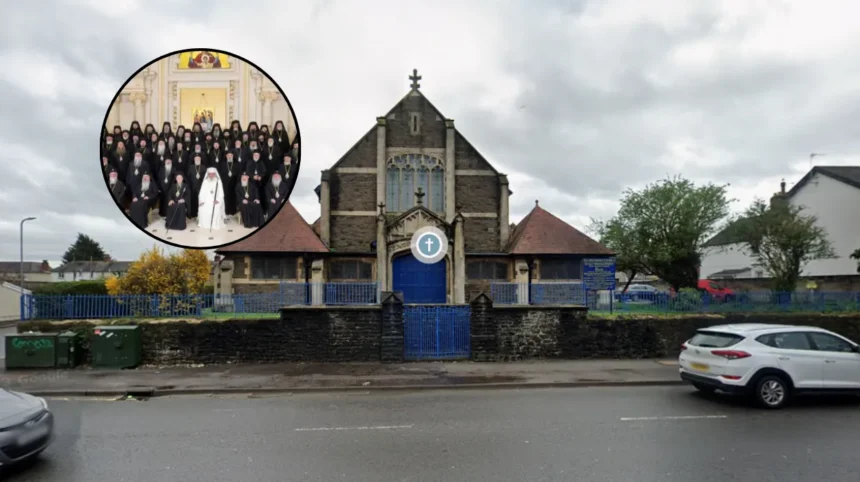
- The building, located at the junction of Cowbridge Road West and Colin Way, is now known as the Romanian Orthodox Parish Of All Saints in Caerau.
Cardiff (Cardiff Daily) July 29, 2026 –Cardiff councillors have approved internal alteration plans for the former Ely Methodist Church in Caerau to make the Grade II-listed building suitable for use by the Romanian Orthodox Church, with the centrepiece of the scheme being the installation of an iconostasis, a tall ornate wooden screen featuring multiple tiers of religious icons that is central to Eastern Orthodox worship. As reported by Kieran Molloy, Local Democracy Reporter, of Nation.Cymru, the approved works also include the installation of a toilet and baby-changing facilities to better serve the congregation. The building, located at the junction of Cowbridge Road West and Colin Way, is now known as the Romanian Orthodox Parish Of All Saints in Caerau.
- Key Points
- What is an iconostasis and why is it important?
- How will the iconostasis be constructed and decorated?
- What did Historic Buildings and Places say about the plans?
- What other internal works are included in the approved plans?
- Where is the church located and what is its new name?
- Background of the development
- Prediction: How this development can affect the local community and Orthodox congregation
What is an iconostasis and why is it important?
An iconostasis is a tall ornate wooden screen featuring multiple tiers of various religiously significant icons, with the upper tiers prominently depicting Christ and the Virgin Mary, according to the planning application documents cited in reports. Each icon has a specific placement and meaning, often following ceremonial traditions. As reported by WalesOnline, the application reads:
“[The iconostasis] serves both a liturgical and symbolic purpose, marking the sacred space of the altar. It allows for a visual representation of the heavenly realm, connecting the congregation with divine figures.”
The structure separates the sanctuary, where the Eucharist is celebrated, from the main church hall.
How will the iconostasis be constructed and decorated?
The iconostasis is planned to be made of hardwood to provide “durability and aesthetic appeal”, with the icons gilded in gold leaf to enhance their “visual impact and spiritual significance” and painted using “traditional techniques” to ensure “vibrancy and longevity”, according to the planning application cited by WalesOnline.
The use of gold leaf and traditional painting methods reflects the long-established religious tradition of icon veneration in Eastern Orthodox Christianity.
The design follows ceremonial conventions for the arrangement of icons, including depictions of Christ, the Virgin Mary and other saints.
What did Historic Buildings and Places say about the plans?
A response from Historic Buildings and Places, published in a council report on the plans, stated: “Reoccupation of this disused Methodist Church by a Romanian Orthodox congregation is welcome in principle – as it maintains religious use and keeps the interior open at its present volume.” The response continued:
“The creation of an iconostasis, a vast highly decorated backcloth to serve as a focus for worship, will introduce a visually stunning feature and will make the building more not less interesting.”
However, the response noted:
“The implied loss of the pulpit, a major element in Methodist worship, is regrettable although we appreciate that a pulpit and an iconostasis are incompatible.”
Advisers also cautioned on “technical grounds” due to possible loadbearing elements of the church’s construction.
What other internal works are included in the approved plans?
In addition to the construction of the iconostasis, the approved internal works include the installation of a toilet and baby-changing facilities to better serve the congregation, according to the planning application cited in reports.
These facilities are intended to improve accessibility and practical use of the building for families and visitors attending services. No other major structural alterations were detailed in the available reports.
Where is the church located and what is its new name?
The former Ely Methodist Church is located on the junction of Cowbridge Road West and Colin Way in Caerau, Cardiff. Following the approval of the plans and the change of use, the building is now known as the Romanian Orthodox Parish Of All Saints in Caerau.
The Grade II-listed status of the building remains in place, with the internal alterations approved under the condition that the historic character of the structure is preserved.
Background of the development
The former Ely Methodist Church had been disused prior to the approval of the plans for its new use by the Romanian Orthodox Church. The building’s Grade II-listed status means that any alterations require careful consideration of its historic and architectural significance.
The decision by Cardiff councillors to approve the internal works follows a planning application that outlined the need for an iconostasis to make the building suitable for Eastern Orthodox liturgical practice.
The response from Historic Buildings and Places reflects a balance between preserving the building’s Methodist heritage and accommodating its new religious function, noting the incompatibility of the Methodist pulpit with the Orthodox iconostasis but welcoming the continued religious use of the site.
Explore More Local Cardiff News
Cardiff Airport Shares Solo Travel Tips After Search Spike (Glamorgan 2026)
Canal Quarter Wins National SuDS Award in Cardiff 2026
Prediction: How this development can affect the local community and Orthodox congregation
The approval of the plans for the former Ely Methodist Church is likely to provide a permanent place of worship for the Romanian Orthodox community in Cardiff, potentially strengthening local religious and cultural ties.
The introduction of an iconostasis and other internal alterations may increase the building’s visibility as a site of Orthodox worship, attracting visitors and worshippers from across the region.
For the local community, the continued religious use of the building could help maintain the site’s role as a focal point for community activity, while the addition of modern facilities such as a toilet and baby-changing area may improve accessibility for families.
However, the technical cautions raised by advisers regarding loadbearing elements suggest that further structural assessments may be required to ensure the long-term safety and stability of the building.