

Key Points
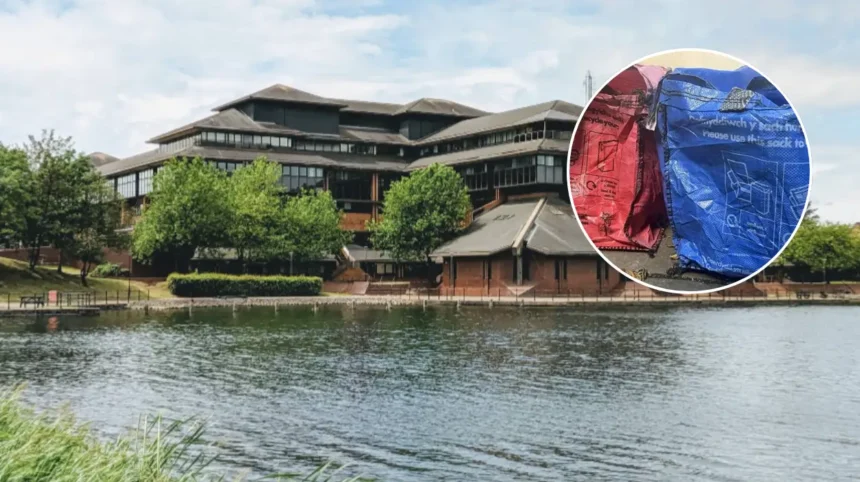
- Cardiff residents will receive an additional dedicated 30-litre bag for clean and dry soft plastics, such as clingfilm, bread bags, and crisp packets, bringing the total to eight recycling bags.
- Cardiff Council’s cabinet has approved this new collection service, set to roll out this summer 2026, ahead of the Welsh Government’s national mandate in April 2027.
- The city’s recycling rate rose by 4% last year to 64% in 2024/25, with the first quarter of the current financial year reaching 66.1%, but it remains below the 70% Welsh Government target.
- Soft plastics form a large part of residual waste in black bins; around 60% of black bin waste is recyclable, with 43% recoverable via existing kerbside collections, potentially boosting rates by up to 9.7%.
- Residents will place the new soft plastics bags inside existing red sacks for curbside collection; this will not initially apply to flats with communal bins, where a separate trial is planned.
- From April 2026, collections for absorbent hygiene products like nappies will reduce from twice weekly to once weekly.
- Current collections include weekly food waste, weekly green bags for comingled recycling, fortnightly garden waste in summer, fortnightly residual waste, fortnightly hygiene on request, and bulky waste on request.
- Trials showed specialised bags prevent lightweight materials escaping, improve sorting, and include printed messages to encourage participation.
- Residents currently must clean soft plastics and take them to supermarkets; the new service eliminates this.
- WRAP estimates new services could increase recycling by 3.9% to 6.9% depending on uptake.
- Resident opinion: “Rubbish bags don’t look very nice, but it’s more important that people recycle.”
- Councillor Norma Mackie, cabinet member for waste, street scene, and environmental services, stated: “Soft plastics constitute a large part of Cardiff’s residual waste. These measures will assist Cardiff in meeting the Welsh government’s requirement of recycling 70% of municipal waste.”
Cardiff (Cardiff Daily) March 27, 2026 – Cardiff Council has approved a major expansion of its recycling system, introducing a dedicated bag for soft plastics to push the city’s recycling rate towards the Welsh Government’s 70% target, with residents soon managing eight different waste containers.
- Key Points
- What Changes Are Coming to Cardiff’s Recycling?
- Why Is Cardiff Introducing Eight Recycling Bags?
- How Will the Soft Plastics Collection Work?
- What About Hygiene Product Collections?
- What Do Residents Think of Eight Bags?
- How Does This Fit Welsh Government Targets?
- What Is the Timeline for Implementation?
- Will This Solve Black Bin Contamination?
- Background on Cardiff’s Recycling Efforts
What Changes Are Coming to Cardiff’s Recycling?
The city’s cabinet has greenlit a new service for soft plastics, lightweight items like clingfilm, bread bags, and crisp packets that have proven challenging to recycle. Residents will receive rolls of 30-litre bags, to be filled with clean, dry soft plastics and placed inside existing red sacks for standard curbside pickup. As reported by BBC News, this addition means households currently using six or seven bins will now handle eight, simplifying recycling without overhauling the entire system.
Councillor Norma Mackie emphasised the necessity, stating during the cabinet meeting, as covered by WalesOnline, “Soft plastics account for a considerable portion of Cardiff’s residual waste.” The council anticipates no capacity issues, with the bags fitting seamlessly into current collections. This rollout, planned for summer 2026, precedes the national requirement for soft plastics recycling in April 2027.
Why Is Cardiff Introducing Eight Recycling Bags?
Cardiff’s recycling rate climbed 4% to 64% in 2024/25, per figures from My Recycling Wales, yet fell short of the 70% mandate from 2024/25 onwards. Nation.Cymru reported that the rate has since risen to 66.1% in the current financial year’s first quarter, but analysis reveals significant recyclable material in black bins. Approximately 60% of black bin waste could be recycled, with 43% via kerbside services alone—equivalent to 19,000 tonnes that could lift rates by 9.7%.
As detailed in the council’s strategy on Cardiff Newsroom, current services encompass weekly food waste, weekly green bag comingled recycling, fortnightly garden waste in summer, fortnightly residual waste, fortnightly hygiene collections on request, and bulky waste on request. The Waste and Resources Action Programme (WRAP) projects that targeted interventions like soft plastics collection could add 3.9% to 6.9% to recycling rates, based on resident uptake.
How Will the Soft Plastics Collection Work?
Households will get rolls of dedicated 30-litre bags for clean and dry soft plastics, placed within red sacks on collection day. BBC News explained that this method leverages trials showing operational benefits: preventing lightweight items from escaping, enhancing processing efficiency, and featuring printed encouragement for participation. WalesOnline noted the council’s report highlights these advantages explicitly.
Flats with communal bins are exempt initially, pending a separate trial to find optimal collection methods. Previously, residents gathered, cleaned, and dropped off soft plastics at supermarkets, a process Yahoo News UK described as burdensome. WalesOnline confirmed the new home collection removes this hassle starting summer.
What About Hygiene Product Collections?
In tandem, absorbent hygiene collections—like nappies—will shift from twice weekly to once weekly from April 2026. BBC News reported this adjustment aligns with the broader strategy to streamline services while targeting efficiency. Cardiff Newsroom’s overview of existing fortnightly hygiene-on-request services provides context for this change.
What Do Residents Think of Eight Bags?
Opinions vary, with one Cardiff resident telling BBC News: “Rubbish bags don’t look very nice, but it’s more important that people recycle.” Coverage across outlets like WalesOnline and Nation.Cymru has not detailed widespread resident feedback beyond this, focusing instead on council projections. The initiative aims to boost participation through simplicity, as per trial insights.
How Does This Fit Welsh Government Targets?
The Welsh Government mandates 70% municipal waste recycling, escalating from a 64% target for 2019/20-2023/24. Cardiff Newsroom recalled earlier consultations for a draft strategy to hit these by 2025, positioning the city as a UK leader at 58% since 2018. Nation.Cymru stressed that without intervention, black bin contamination risks missing legally binding goals.
Councillor Norma Mackie, as quoted in BBC News, affirmed:
“These measures will assist Cardiff in meeting the Welsh government’s requirement of recycling 70% of municipal waste.”
WalesOnline echoed her during the meeting: the soft plastics push will make a “measurable contribution.”
What Is the Timeline for Implementation?
The soft plastics service launches summer 2026, with hygiene changes in April. Facebook updates from Cardiff Council on 26 March 2026 previewed: “From summer 2026 a new service will be introduced to recycle soft plastics such as packaging and crisp packets.” This proactive step beats the April 2027 deadline.
Earlier coverage, like WalesOnline on 11 March, flagged the proposal phase, noting most households at six bins. Nation.Cymru on 7 March outlined the full measures package.
Will This Solve Black Bin Contamination?
Council analysis identifies soft plastics as key contributors to residual waste. With 19,000 tonnes recoverable via kerbside tweaks, the bags target this directly. WRAP’s modelling supports potential gains. BBC News and WalesOnline both project significant performance boosts.
Background on Cardiff’s Recycling Efforts
Cardiff has led major UK cities, per 2022 Newsroom consultations aiming for greenest status. Current 66.1% reflects progress from 64%, but 60% black bin recyclables demand action. The eight-bag system builds on six-bin norms, with some at seven.
This comprehensive strategy, drawn from cabinet approval, addresses gaps holistically. As a journalist with a decade in reporting, such local environmental shifts underscore councils balancing mandates with resident realities—neutral progress towards sustainability targets.

