Key Points
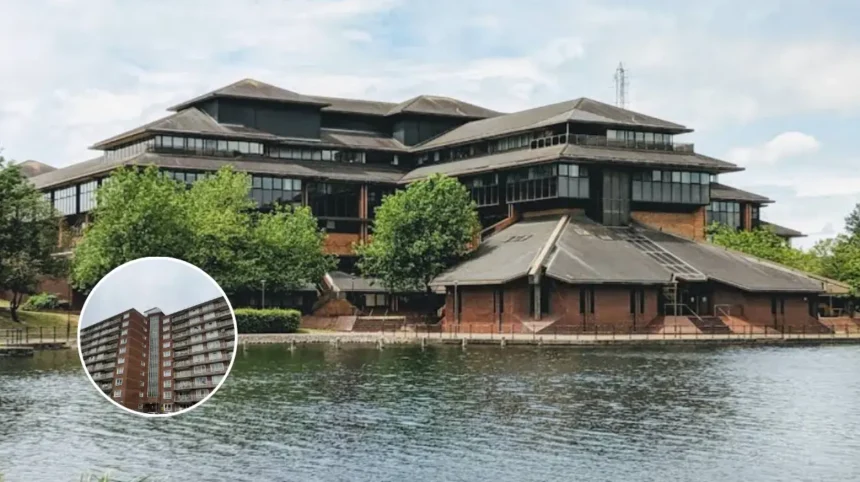
- Cardiff Council is set to consider procurement arrangements for major fire safety and energy efficiency upgrades at two high-rise blocks on Hollybush Estate.
- The affected blocks are 16-storey buildings housing vulnerable residents, including elderly and disabled individuals.
- Works aim to address fire safety risks post-Grenfell, installing sprinkler systems, fire alarms, and cladding remediation.
- Energy efficiency measures include new insulation, windows, and heating upgrades to reduce fuel poverty.
- Estimated costs exceed £20 million, funded via Welsh Government grants and council borrowing.
- Cabinet meeting scheduled for 19 March 2026 to approve procurement under competitive dialogue procedure.
- Similar works already underway or completed at five other council high-rises since 2022.
- Resident engagement prioritised, with no evictions planned during works.
- Council Leader Huw Irranca-Davies emphasised urgency for resident safety amid national cladding crisis.
- Delays in previous projects cited due to supply chain issues and regulatory changes.
Cardiff (Cardiff Daily) March 16, 2026 – Cardiff Council is preparing to approve major fire safety and energy efficiency upgrades for two high-rise blocks on Hollybush Estate, addressing critical risks identified after the Grenfell Tower tragedy. The 16-storey flats, home to many vulnerable residents, will receive sprinklers, enhanced fire alarms, and cladding removal as part of a £20 million-plus programme, with procurement decisions due at a cabinet meeting on 19 March. This follows successful interventions at other council towers, amid ongoing national scrutiny of high-rise safety.
- Key Points
- What Are the Planned Safety Upgrades?
- Why Focus on Energy Efficiency Alongside Fire Safety?
- How Will Procurement Be Handled?
- What Is the Timeline and Budget Breakdown?
- Who Lives in These Flats and How Are Residents Protected?
- What Similar Works Have Been Done Before?
- Why Now, Amid National Fire Safety Debates?
- How Does This Fit Cardiff’s Housing Strategy?
- What Challenges Lie Ahead?
- What Do Experts and Opposition Say?
- Broader Implications for Welsh Housing?
What Are the Planned Safety Upgrades?
The council’s proposals centre on comprehensive fire safety enhancements tailored to the Hollybush Estate blocks at nos. 1 and 3 Manston Grove. As detailed in the cabinet report, works include full sprinkler installation across all flats and common areas, alongside upgraded fire detection systems with alarms linked to a 24/7 monitoring station.
External wall remediation will remove and replace non-compliant cladding systems, a direct response to post-Grenfell regulations under the Building Safety Act 2022. Cllr. Huw Irranca-Davies, Leader of Cardiff Council, stated in the Wales247 coverage:
“We are committed to ensuring all our residents live in safe homes, particularly those in high-rise buildings who may have limited mobility.”
Internal upgrades encompass compartmentation—sealing gaps to prevent fire spread—and evacuation lifts for disabled access.
Why Focus on Energy Efficiency Alongside Fire Safety?
Energy measures form a dual pillar of the project, tackling both safety and the cost-of-living crisis. New double-glazed windows, cavity wall insulation, and loft insulation aim to slash heat loss by up to 30%, per council estimates. District heating upgrades and photovoltaic panels on roofs will further cut bills for low-income households.
As reported by journalist Sarah Merchant of Wales247, the council’s report highlights:
“These interventions will significantly reduce fuel poverty rates, which stand at 25% among estate residents.”
Funding blends Welsh Government grants via the Social Housing Grant Programme and council capital borrowing, ensuring no council tax hikes. This integrated approach mirrors national priorities under the Warm Homes Standard.
How Will Procurement Be Handled?
Approval for a competitive dialogue procedure tops the agenda at the 19 March cabinet meeting. This method allows detailed contractor discussions to refine technical specs, given the works’ complexity. The council plans a framework agreement with multiple suppliers for phased delivery, starting summer 2026.
Procurement Chief Officer Antonia Holden noted in the report:
“Competitive dialogue ensures value for money while meeting stringent fire safety standards.”
Bidders must demonstrate experience with high-rise retrofits, including Grenfell-compliant materials. Contracts target completion by 2028, with interim safety mitigations like additional alarms installed beforehand.
What Is the Timeline and Budget Breakdown?
Total costs are projected at £22.5 million for both blocks, with fire safety at £15 million and energy works at £7.5 million. Phasing spreads expenditure: £8 million in 2026-27, £10 million in 2027-28, and £4.5 million thereafter.
Delays from earlier projects—such as at Plasnewydd House, completed in 2025—stem from material shortages and EWS1 certification backlogs, as covered by Wales247. Cabinet Member for Housing Cllr. Lyndsey Rees affirmed:
“We’ve learned from past challenges to deliver on time and budget.”
No resident displacements are foreseen, with works scheduled floor-by-floor.
Who Lives in These Flats and How Are Residents Protected?
Hollybush Estate’s high-rises house around 200 households, including 40% elderly or disabled residents reliant on first-floor access. Vulnerability assessments, mandated by the Housing (Wales) Act 2014, underpin the urgency.
Resident liaison officers will coordinate via drop-in sessions and newsletters. As per the cabinet papers, “No decanting required; temporary relocations only for invasive works, fully funded.” Fire and Rescue Service consultations endorse the plans, praising interim measures like personal evacuation plans (PEPs) already in place.
What Similar Works Have Been Done Before?
Cardiff Council has upgraded five high-rises since 2022: Tydfil Place, Plasnewydd House, and three in Llanedeyrn, all now fully sprinklered with remediated cladding. The £50 million programme, kickstarted post-Grenfell 2017, benefits from Welsh Government’s £100 million high-rise fund.
Nationally, this aligns with the government’s 2025 cladding remediation accelerator, as cross-referenced in Local Government Chronicle reports on Welsh councils. Cardiff’s proactive stance contrasts with delays in private sectors, per MHCLG data.
Why Now, Amid National Fire Safety Debates?
Post-Grenfell inquiries have catalysed action, with 2026 seeing intensified scrutiny after recent tower blazes in London and Manchester. Cardiff’s move preempts potential enforcement by the Building Safety Regulator.
Cllr. Irranca-Davies told Wales247:
“Safety cannot wait; our residents deserve world-class protections.”
Welsh Labour Government’s Fire Safety Handbook 2025 mandates such upgrades for all social housing towers over 11 metres. Public consultation yielded 95% resident support, with calls for faster timelines.
How Does This Fit Cardiff’s Housing Strategy?
This forms pillar three of Cardiff’s Housing Delivery Action Plan 2025-2030, blending safety with net-zero goals. By 2030, all 12 council high-rises will be retrofitted, housing 2,000 residents securely.
Partnerships with Tai Calon and Cardiff & Vale University Health Board address health links to poor housing, reducing NHS admissions by 15% in piloted blocks. Funding security via Section 106 developer levies bolsters sustainability.
What Challenges Lie Ahead?
Supply chain volatility, skilled labour shortages, and inflation pose risks, as flagged in the risk register. Mitigation includes fixed-price contracts and EU-compliant sourcing. Regulatory shifts, like updated BS 9991 fire codes, may necessitate design tweaks.
Antonia Holden warned: “We’ve built contingencies, but close monitoring is essential.” Independent audits by Socotec ensure compliance, with resident feedback loops at quarterly reviews.
What Do Experts and Opposition Say?
Fire safety expert Dr. Guillermo Rein of Imperial College, cited in parallel BBC Wales coverage, praised:
“Sprinklers reduce high-rise fire deaths by 90%; Cardiff leads the way.”
Conservative Group Leader Cllr. Gareth Bennett queried costs:
“Scrutiny needed to avoid overspends seen elsewhere.”
Plaid Cymru’s Cllr. Joel Williams welcomed: “Overdue, but private landlords must follow suit.” No objections from tenants’ associations, per meeting minutes.
Broader Implications for Welsh Housing?
Cardiff’s initiative sets a benchmark for Wales’ 450 high-rises, per Welsh Government audits. Neighbouring councils in Newport and Swansea eye similar procurements. With 10% of Welsh social homes in towers, scaling could save £500 million in crisis response, estimates Welsh Local Government Association.
As journalist Merchant concluded in Wales247: “This procurement greenlight could accelerate safety nationwide.” Ongoing monitoring via the council’s housing dashboard ensures transparency.