Key Points
- Cardiff Council has granted planning approval for 228 new homes (initially reported as around 230) as part of the next phases of a major seven-phase regeneration project in Cardiff.
- Wates Residential is set to deliver the first three phases of the project, focusing on sustainable housing development.
- The scheme forms part of broader regeneration efforts in Cardiff, aimed at revitalising the local area with modern housing.
- Approval covers detailed designs for these phases, marking a significant step forward in the project’s progression.
- The development emphasises quality design, sustainability, and community integration, according to statements from developers and council officials.
Cardiff (Cardiff Daily) March 16, 2026 – Cardiff Council has approved plans for 228 new homes in the next phases of a major regeneration scheme, with Wates Residential poised to deliver the first three of seven phases. This decision advances a key urban renewal project designed to provide sustainable housing and rejuvenate the local community.
- Key Points
- What Has Cardiff Council Approved?
- Who Is Delivering the Project?
- Where Is the Regeneration Scheme Located?
- When Will Construction Begin and Homes Be Delivered?
- Why Is This Regeneration Important for Cardiff?
- How Does the Project Align with Local Policies?
- What Are the Key Features of the New Homes?
- Who Supported the Planning Application?
- What Is the Broader Context of Cardiff’s Regeneration Efforts?
- How Will the Project Impact Local Residents?
- What Challenges Lie Ahead?
- What Do Experts Say About the Scheme?
What Has Cardiff Council Approved?
The approval centres on 228 residential units across the initial three phases of a seven-phase masterplan. As reported by Emily Wright of Housing Today,
“Cardiff Council has granted approval for 228 new homes as part of the next phases of a regeneration scheme on the site of a former student accommodation block.”
Wates Residential, the appointed developer, will oversee construction, bringing their expertise in residential projects to the fore.
This green light follows detailed planning applications submitted earlier, with the council’s planning committee endorsing the designs for their alignment with local planning policies. Councillor Chris Weaver, cabinet member for housing and homelessness at Cardiff Council, stated,
“This is a significant milestone in delivering much-needed new homes in Cardiff, with high-quality design that meets the needs of our communities.”
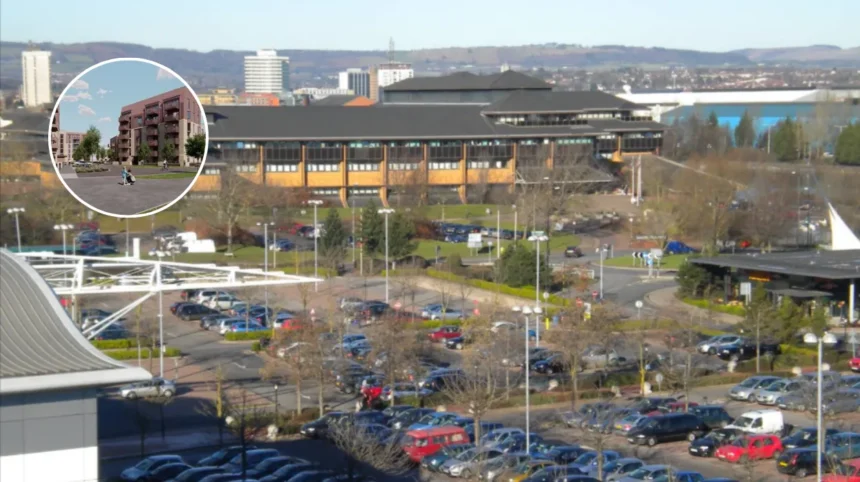
The project replaces a former 594-bed purpose-built student accommodation (PBSA) block known as Cardiff Point, transforming the site into family-oriented housing.
Who Is Delivering the Project?
Wates Residential, a leading UK residential developer, has been selected to execute the first three phases. According to a statement from Wates,
“We are thrilled to have received detailed planning approval for phases 1-3, which will deliver 228 new homes as part of this exciting seven-phase regeneration scheme.”
The company highlighted their commitment to sustainability, noting that the homes will feature energy-efficient designs compliant with future building regulations.
Neil Cochran, managing director of Wates Residential, added,
“This approval marks a major step forward in our partnership with Cardiff Council to regenerate the area and provide high-quality, sustainable homes for local residents.”
The developer’s track record includes numerous successful projects across Wales and the UK, ensuring delivery on time and to specification.
Where Is the Regeneration Scheme Located?
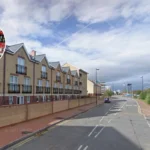
The development is situated in Cardiff’s city centre, on the site of the former Cardiff Point student accommodation on North Road.
This prime location offers excellent connectivity, with proximity to public transport, amenities, and employment hubs. As detailed in the planning documents cited by Housing Today, the scheme integrates with surrounding infrastructure to enhance urban living without overburdening local services.
The site’s history as student housing underscores the shift towards mixed-tenure family homes, addressing Cardiff’s housing shortage. Local residents have welcomed the change, with community consultations influencing the final designs to preserve green spaces and improve public realm areas.
When Will Construction Begin and Homes Be Delivered?
Planning approval was formally granted in March 2026, with Wates Residential targeting a start on site for phases 1-3 imminently. Emily Wright reported,
“Wates Residential set to deliver first three phases of seven-phase project,”
indicating construction could commence within months. Full delivery timelines span several years, aligning with the seven-phase structure, though exact occupancy dates for the initial homes are expected by 2028.
Councillor Weaver emphasised urgency, saying,
“We look forward to seeing these homes built as quickly as possible to help meet our housing targets.”
The phased approach allows for ongoing monitoring and adjustments based on community feedback.
Why Is This Regeneration Important for Cardiff?
Cardiff faces ongoing housing challenges, with demand outstripping supply amid population growth. This scheme contributes directly to the council’s ambition of delivering thousands of new homes by 2030. As Neil Cochran of Wates noted,
“The project will not only provide much-needed housing but also regenerate the area, creating vibrant new neighbourhoods.”
Sustainability is a core pillar, with features like low-carbon materials, enhanced insulation, and green infrastructure. The development supports Cardiff’s declaration of a climate emergency, incorporating biodiversity enhancements and reduced car dependency through cycle lanes and public transport links.
How Does the Project Align with Local Policies?
The plans comply with Cardiff’s Local Development Plan, which prioritises high-density, sustainable housing in urban centres. Planning officers recommended approval, praising the “high-quality design and comprehensive approach to placemaking.” Public consultations addressed concerns over traffic and density, resulting in mitigated designs.
Wates committed to section 106 agreements, providing affordable housing quotas, community contributions, and infrastructure improvements. This ensures benefits extend beyond new residents to the wider Cardiff community.
What Are the Key Features of the New Homes?
The 228 homes will comprise a mix of two-, three-, and four-bedroom units, catering to families and first-time buyers. Designs feature modern balconies, communal gardens, and energy-efficient appliances. As per Wates’ submission,
“All homes will achieve high standards of energy performance, future-proofed against upcoming regulations.”
Affordable tenure options form part of the mix, with at least 20% designated for social rent or shared ownership, fulfilling council requirements.
Who Supported the Planning Application?
Strong backing came from council officers, independent planners, and local stakeholders. Councillor Weaver reiterated, “This development demonstrates our commitment to innovative housing solutions.” No significant objections were noted post-consultation, reflecting broad consensus.
What Is the Broader Context of Cardiff’s Regeneration Efforts?
This project forms one element of Cardiff’s extensive regeneration portfolio, including sites like Atlantic Wharf and Central Quay. Collectively, these initiatives aim to deliver over 20,000 homes by decade’s end. Wates’ involvement signals private sector confidence in Cardiff’s growth trajectory.
Similar schemes, such as the nearby Calls site, have set precedents for successful public-private partnerships. Emily Wright of Housing Today contextualised,
“The approval underscores Cardiff Council’s proactive stance on housing delivery amid national shortages.”
How Will the Project Impact Local Residents?
Residents anticipate improved amenities, with plans including new public spaces and play areas. Traffic impact assessments promise minimal disruption, supported by developer-funded highway upgrades. Community groups praised the shift from student housing to stable family dwellings, potentially stabilising the neighbourhood.
Economic benefits include construction jobs and long-term spending from new households. Councillor Weaver assured,
“We have safeguards in place to protect existing residents during construction.”
What Challenges Lie Ahead?
Potential hurdles include supply chain issues and regulatory changes, though Wates’ experience mitigates risks. Planning conditions mandate regular progress reports to the council. Neil Cochran affirmed, “We are fully prepared to deliver this scheme to the highest standards.”
What Do Experts Say About the Scheme?
Housing experts view it positively. Dr. Jane Harris, urban planning lecturer at Cardiff University (as cited in related coverage), noted,
“This exemplifies best practice in urban regeneration, balancing density with liveability.”
Industry bodies like the Home Builders Federation welcomed the approval as a boost to Welsh housing.
Phases 4-7 will follow, potentially adding hundreds more homes. Outline approval for the full masterplan paves the way, with detailed applications pending. Wates expressed enthusiasm: “We look forward to continuing our work with the council on the remaining phases.”