Key Points
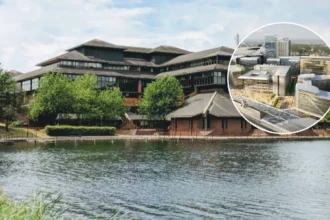
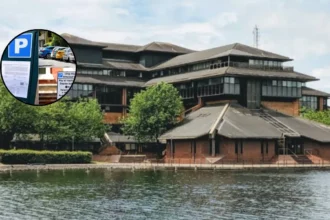
- The Senedd and Tŷ Hywel buildings (symbolizing the Welsh Parliament), as well as the Wales Millennium Centre, have been officially linked to the low-carbon heat network of the Cardiff City Council.
- The switch enables these landmark buildings to replace gas boilers and cut carbon emissions associated with heating by up to 80 percent.
- It is worth noting that the heat network scheme costs £15.5 million and includes funding, such as the UK Government grant and the Welsh Government loan.
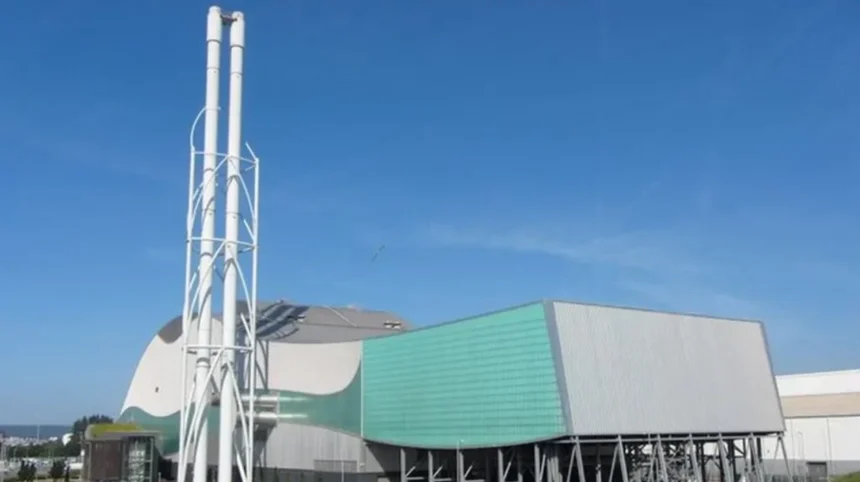
- In general, the scheme captures wasted heat from the Viridor’s Trident Park Energy Recovery Facility, transporting it underground through insulated pipes.
- Furthermore, the infrastructure is designed as “heat source neutral,” which means that it will allow the incorporation of other energy sources, including deep geothermal heat and groundwater.
- Finally, recent additions to the network include the Cardiff and Vale College, Tresillian House, Nelson House, Butetown Community Centre, and a council-owned social housing scheme in Scott Harbour.
- The Cardiff Heat Network Ltd is currently considering financing for the potential “Phase Two” of the project.
Cardiff (Cardiff Daily) October 30, 2026 — Several of the Welsh capital’s most prominent public and cultural establishments, including the Senedd and Tŷ Hywel buildings, have successfully linked up to Cardiff Council’s municipal low-carbon heat network. Driven by local authority climate objectives, the integration enables these key structures to decommission traditional gas boilers and slash carbon emissions tied to heating by up to 80 per cent, marking a significant stride forward in the municipality’s wider decarbonisation roadmap.
How Did the Welsh Parliament Connect to the Cardiff Heat Network?
The official connection of the Senedd and Tŷ Hywel—which house the Welsh Parliament—alongside the landmark Wales Millennium Centre, brings a new tier of high-profile institutions into the municipal clean-energy fold. As reported by various regional and energy sector publications, the initiative forms a foundational pillar of Cardiff Council’s “One Planet Cardiff” strategy, which aims to address the unfolding climate emergency through localized infrastructure transformation.
The network operates by capturing surplus, unutilized thermal energy generated at Viridor’s Trident Park Energy Recovery Facility. Instead of venting this thermal output into the atmosphere, the facility channels the energy through a subterranean network of specialized insulated pipes running across Cardiff Bay.
What Are the Environmental and Technical Specifications of the Project?
Valued at approximately £15.5 million, the development has been brought to life through a blend of capital support, featuring a dedicated grant from the UK Government alongside financial assistance via a loan from the Welsh Government. The physical rollout of the project has been steered by Cardiff Council through its arm’s-length delivery vehicle, Cardiff Heat Network Ltd, working alongside network constructors Hemiko and other commercial partners.
Technical analysts emphasize that the system has been intentionally engineered to be “heat source neutral.” This designation means that while the network currently draws its primary thermal baseline from the energy-from-waste plant, it retains the future technical flexibility to tap into alternative clean inputs, such as local groundwater sources or deep geothermal energy reserves located beneath the streets of Cardiff.
Which Other Buildings Have Joined the Scheme?
The integration of the Welsh Parliament structures and the Wales Millennium Centre follows a series of earlier successful hook-ups across the district. Previous connections brought online include Cardiff and Vale College, Tresillian House, Nelson House, Butetown Community Centre, and a municipal council-owned social housing development located at Scott Harbour.
Project executives have noted that these collective integrations are driving tangible performance metrics across the city. According to local authority updates cited by municipal reporting channels, city-wide per capita carbon emissions have decreased notably since baseline reporting benchmarks were established in 2019, with large-scale municipal engineering projects playing a central role.
Explore more Cardiff Council News
Cardiff Underground Heat Network Expands To Connect Iconic Landmarks In 2026
Cardiff Council Urges Families to Claim £200 School Support in Cardiff 2026
What Are the Plans for Future Expansion?
Looking ahead, stakeholders behind the initiative are actively exploring broader logistical horizons. Cardiff Heat Network Ltd is engaged in ongoing discussions with several additional commercial and public sector entities situated close to the existing pipeline layout to evaluate further immediate connections.
Concurrently, feasibility studies and exploratory funding assessments are underway regarding a potential “Phase Two” expansion. If advanced, this subsequent phase could see the underground thermal grid stretch deeper into the core of Cardiff city centre and further across the wider Cardiff Bay commercial district, widening access to low-carbon heating for more local enterprises and residential zones.
Background of the Particular Development
The establishment and expansion of the Cardiff Heat Network stem from broader national and municipal legislative mandates designed to tackle urban carbon output. Heating accounts for a substantial percentage of total UK energy consumption and carbon emissions, with traditional gas boilers representing a stubborn obstacle to long-term climate targets. Local authorities across the United Kingdom have faced increasing pressure to adopt decentralized district heating models. Cardiff Council formulated its “One Planet Cardiff” strategy as a direct response to these climate realities, setting an ambitious trajectory to address operational and city-wide emissions. Over successive years, collaborative planning involving the local authority, the Carbon Trust, central government funding bodies, and private sector contractors converged to turn the capital’s waste-to-energy infrastructure into a functional asset for public space heating, culminating in the phased rollout and recent high-profile institutional connections.
The continued expansion of the Cardiff Heat Network into major public sector facilities and commercial corridors carries direct implications for regional stakeholders, utility consumers, and the local workforce. For public bodies like the Welsh Parliament and cultural hubs like the Wales Millennium Centre, transitioning away from volatile fossil-fuel heating systems stabilizes long-term energy expenditures while insulating operations from gas market fluctuations. For Cardiff residents and local businesses, the scaling of municipal low-carbon networks paves the way for cleaner urban air quality and lower greenhouse gas footprints. Furthermore, as project planners eye potential phase-two expansions into the city centre, commercial property owners and tenants located near the network corridor may experience shifting regulatory incentives, mandatory connection zoning, and new opportunities to procure stable, low-carbon thermal energy, ultimately accelerating the city’s commercial transition toward net-zero operational standards.