Key Points
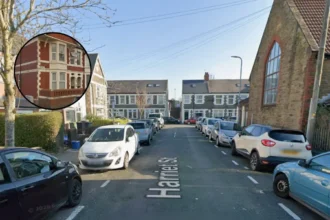
- Cardiff Council has granted permission to convert the church hall of the Welsh Evangelical Church at 110 Harriet Street in Cathays into two separate six-bedroom houses of multiple occupation (HMOs).
- Plans include a two-storey side extension and a detached coffee shop kiosk, with each HMO featuring shared kitchen and living facilities.
- Local councillors Norma Mackie, Sarah Merry, and Chris Weaver submitted a letter of objection to Cardiff Council.
- Objections cite an increase in HMOs in the vicinity, harming community composition, cohesion, character, functionality, and sense of place.
- Concerns raised include potential anti-social behaviour linked to HMOs.
- Councillors argue the development is unsustainable and contravenes Welsh Government policies under the Future Generations Act and well-being objectives.
Cardiff (Cardiff Daily) April 25, 2026 – Cardiff Council has approved plans to transform the church hall of the Welsh Evangelical Church at 110 Harriet Street in Cathays into two six-bedroom houses of multiple occupation (HMOs), despite strong objections from local councillors who warn of damage to community cohesion.
The decision allows for a two-storey side extension and a detached coffee shop kiosk on the site. Each HMO will include shared kitchen and living facilities for up to six residents per property. As reported by WalesOnline, the permission follows a planning application that highlighted these changes to the existing church hall structure.
Why Did Councillors Object to the HMO Conversion?
Local councillors Norma Mackie, Sarah Merry, and Chris Weaver wrote a formal letter of objection to Cardiff Council opposing the plans. In their letter, they stated:
“The use of the property as a 6-bedroom HMO will result in an increase in the number of HMOs within the vicinity to the detriment of the existing community affecting its composition, cohesion, character, functionality and its sense of place.”
This objection, as covered by WalesOnline, points directly to the concentration of HMOs in Cathays altering the area’s residential balance.
The councillors also raised concerns about possible issues relating to anti-social behaviour associated with HMOs. They noted that such properties can contribute to disruptions in residential neighbourhoods. The letter concluded:
“It is simply unsustainable to keep adding to that density and goes against all stated policies of Welsh Government in terms of the Future Generations Act or policies on well-being.”
These points reflect broader debates on housing density in Cardiff’s student-heavy Cathays area.
What Changes Are Planned for the Site?
The approved plans convert the church hall into two distinct six-bedroom HMOs. A two-storey side extension will expand the footprint, while a detached coffee shop kiosk will provide an additional commercial element. Shared facilities in each HMO include kitchens and living areas, designed to accommodate multiple tenants, typically students or young professionals given Cathays’ proximity to Cardiff University.
Cardiff Council granted permission after reviewing the application, though specific reasons for overriding the objections remain detailed in planning documents not publicly quoted here. The development aims to repurpose an underused church hall, aligning with efforts to address housing demand in a city facing shortages.
How Does This Fit Cardiff’s HMO Landscape?
Cathays already hosts a high number of HMOs due to its popularity with students. The councillors’ letter emphasises that further additions exacerbate existing pressures. As reported by WalesOnline, the area’s character is shifting, with concerns over community functionality mirroring issues in other UK university districts.
Planning permissions for HMOs in Cardiff require consideration of local impacts, including density thresholds. While exact figures for Harriet Street’s vicinity are not specified in the coverage, the objection highlights a tipping point for sustainability.
Background of the Development
The Welsh Evangelical Church hall at 110 Harriet Street has served as a community and worship space prior to the conversion plans. Cathays, a densely populated inner-city suburb, features Victorian terraces interspersed with student housing. Repurposing disused religious buildings into residential use is common in urban Wales, driven by declining church attendance and rising housing needs. Cardiff Council processes such applications under local development plans, balancing regeneration with neighbourhood preservation. The inclusion of a coffee shop kiosk suggests an intent to retain some community-facing elements amid the residential shift.
Prediction: Impact on Cathays Residents
This HMO development can increase housing density in Cathays, potentially straining local services and altering the resident mix for existing families and long-term tenants. Higher occupancy may heighten risks of anti-social behaviour, as noted in the objection letter, affecting daily life through noise or parking pressures. For students and young renters, it provides needed accommodation options in a tight market, supporting university-related demand. Overall, it may challenge community cohesion in the short term, prompting closer monitoring by Cardiff Council to ensure compliance with well-being policies.