
Key Points
- Safeguarding Minister Satvir Kaur criticised influencer Max Balegde for mouthing explicit lyrics outside Number 10.
- Prime Minister Andy Burnham’s use of online creators has faced criticism from Conservative leader Kemi Badenoch.
- Influencer Luke Hamnett filmed a recreation of Hugh Grant’s dance from Love Actually inside Downing Street.
- The Prime Minister’s official spokesman defended communicating through channels used by the public.
Inverted pyramid reporting
- Key Points
- What did Satvir Kaur say about Max Balegde’s video?
- Why was Andy Burnham criticised over the Downing Street content?
- How did the Prime Minister’s office respond?
- What is the background to the Downing Street influencer outreach?
- How could the controversy affect Downing Street’s wider audience strategy?
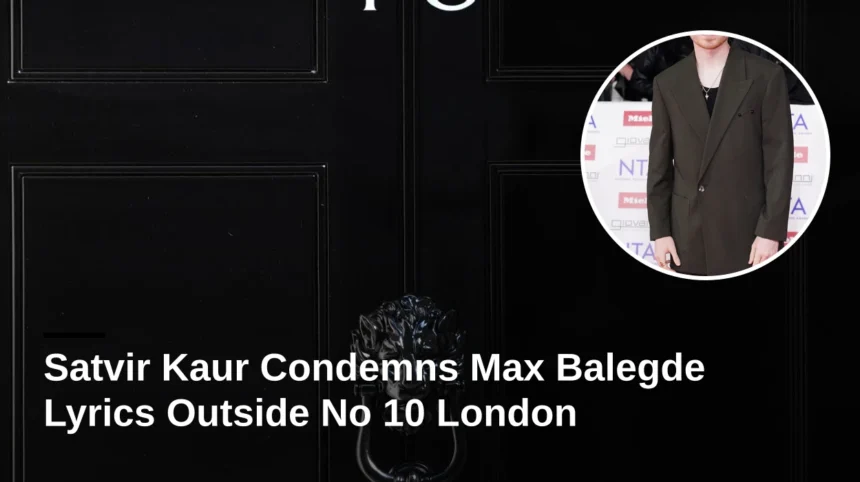
London (Cardiff Daily) November 24, 2026 – Safeguarding Minister Satvir Kaur has criticised social media influencer Max Balegde after he filmed himself mouthing explicit lyrics outside 10 Downing Street. Balegde had been invited to Downing Street as part of Prime Minister Andy Burnham’s effort to engage with online celebrities. Kaur said she would not use or want to hear the language used in the video, while defending Burnham’s broader engagement with digital audiences.
What did Satvir Kaur say about Max Balegde’s video?
As reported by The Independent and the Press Association, Balegde mouthed the words “bomboclaat pussywagon chicken nuggets” to what appeared to be a viral meme song outside the entrance to Number 10.
Kaur, whose ministerial responsibilities include tackling violence against women and girls, said: “Would I use that language? Absolutely not. Do I want to hear that kind of language anywhere, wherever it is? No, I don’t.”
On LBC Radio, Kaur defended Burnham’s decision to communicate with TikTok influencers and other online personalities. She said the Prime Minister should be able to speak to different people through different media outlets, adding that she would not want the Prime Minister to control what broadcasters say outside Downing Street.
Why was Andy Burnham criticised over the Downing Street content?
As reported by The Oxford Mail, The Independent and The Daily Telegraph, Luke Hamnett filmed himself dancing through Number 10 and down its stairs to the Pointer Sisters’ “Jump (For My Love)”. The video recreated Hugh Grant’s prime ministerial dance from the film Love Actually and promoted an interview with Burnham for Hamnett’s Live, Laugh, Luke podcast.
Conservative leader Kemi Badenoch described the video as “jarring” and said it made Downing Street look like a joke. In a statement posted on X on November 23, Badenoch said that, when she was a new member of Parliament, phones had to be handed in on entering Number 10.
Badenoch said the video appeared “extremely unserious” while international tensions and anxiety about the future remained significant. She added that being relatable did not mean treating the public as children who needed entertaining.
How did the Prime Minister’s office respond?
According to The Daily Telegraph and The Independent, the Prime Minister’s official spokesman said Burnham had been open about communicating with the public through a variety of channels. The spokesman said the content involving Hamnett was part of an interview and reflected the ways in which people now receive information.
The response did not indicate that access for online creators would be withdrawn. The reported videos have instead intensified debate about how Downing Street should use social media and whether influencer-led content provides sufficient scrutiny of the Prime Minister.
What is the background to the Downing Street influencer outreach?
Burnham’s administration has sought to communicate with audiences beyond traditional political media, including people who follow online creators. Hamnett, who has been reported as having about 1.3 million TikTok followers, was invited to interview the Prime Minister at Downing Street. The resulting dance video drew criticism from Badenoch and other Conservative figures. Balegde’s separate video brought additional scrutiny because of the explicit language it contained.
How could the controversy affect Downing Street’s wider audience strategy?
The dispute may encourage Downing Street to apply clearer standards to content filmed by invited creators in official buildings. Supporters of direct engagement with online audiences may view the videos as a way to reach people who do not follow conventional political coverage. Critics may continue to argue that entertainment-led material risks weakening the seriousness associated with the Prime Minister’s official workplace. The controversy is therefore likely to influence future decisions about creator access, filming arrangements and the balance between accessibility and institutional dignity.